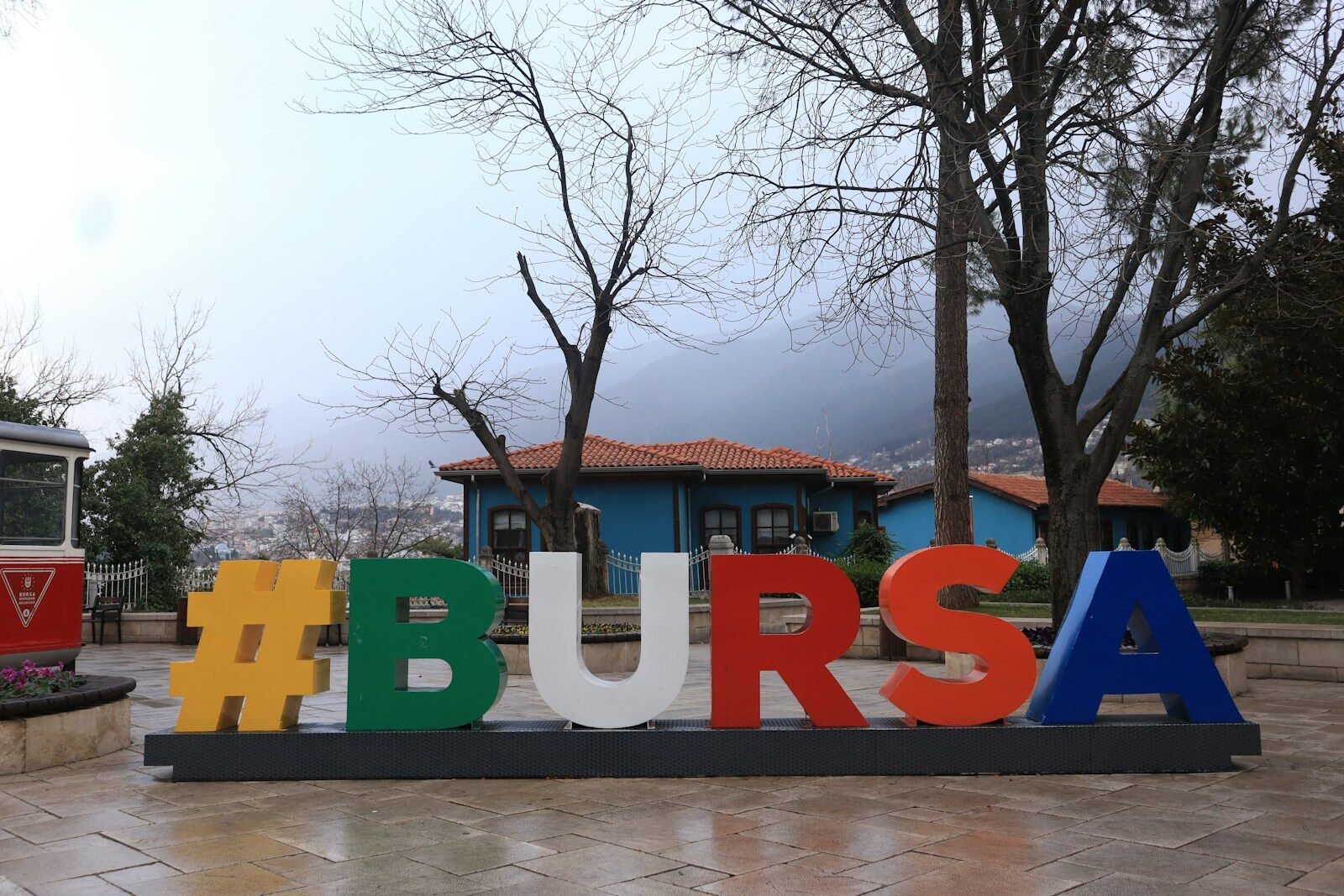
Bursa is a vibrant Turkish city blending rich history, lush nature, and culture. As the first major Ottoman capital (conquered 1326) and 2022 Turkic Cultural Capital, it offers centuries-old mosques and bazaars (UNESCO-listed) alongside mountain retreats and thermal spas. In this guide to Things to Do in Bursa, we cover top attractions (Grand Mosque, Yeşil Camii, Koza Han, Uludağ, etc.), practical details (hours, costs, transport), local tips, safety advice, plus suggested 1- and 3-day itineraries. You’ll also find a comparison table of major sights, FAQs, and mermaid diagrams illustrating itineraries and activity choices by interest.
Historic and Cultural Attractions in Bursa
Bursa’s city center brims with Ottoman-era monuments. The Ulu Camii (Grand Mosque) – Bursa’s largest mosque – features 20 domes and a rare indoor fountain. It dates from 1399-1400 under Sultan Bayezid I. The mosque is centrally located (Atatürk Cad.) and open from dawn until late evening, with no entrance fee (worship remains free; tours may charge). Visitors should dress modestly (shoulders/knees covered, women with scarves) and remove shoes. Nearby, the Yeşil (Green) Mosque and Tomb (1424) showcases green-blue Iznik tilework and the adjacent Yeşil Türbe houses Sultan Mehmed I’s cenotaph. Together they form part of the UNESCO-listed “Birth of the Ottoman Empire” heritage zone.
Other historic sites include the Muradiye Külliye (Mosque and tombs of Murad II, 15th c.) and the Tombs of Osman and Orhan Gazi atop Tophane Park. This small complex (19th‑c. tombs over ancient mosaics) is open daily 9 am–6 pm, free of charge. A changing-of-the-guard ceremony there is a popular photo spot. Tophane Park also has city viewpoints and a small Ottoman clock tower. Don’t miss Koza Han, the historic 1491 silk bazaar built by Bayezid II. This two-story caravanserai once lodged silk merchants; today it still hosts silk shops, cafes and tea gardens. Located in the Grand Mosque precinct, it has no entry fee and makes a great photo stop.
Local Tip: The Grand Mosque, Koza Han, and surrounding bazaars are all within walking distance. Plan to visit early or late to avoid midday crowds (weekends and Friday prayers are busiest).
Nature & Outdoors: Uludağ, Parks and Springs
Bursa’s Uludağ National Park is a year-round nature escape. In winter it is Turkey’s premier ski resort, with 28 km of slopes. In warmer seasons it offers cool mountain air, hiking trails, wildflowers (edelweiss, etc.) and lakes. The easiest way up is by the Bursa Teleferik (Uludağ Gondola): an 8.8 km aerial lift from Teferrüç to hotel areas at 1,870 m elevation. The ride takes about 22 minutes each way. (Tickets vary; e.g. ~150 TL round-trip in 2026.) At the top you’ll find ski runs, forests and mountain lodges. In summer, Uludağ is a refreshing retreat (hiking, picnics). Cable car schedules and weather can be checked online, and buses or taxis reach the base station from Bursa city.
Bursa is also noted for its thermal springs (part of its old “hamam culture” heritage). Popular bath complexes include Oylat Kaplıcası, about 36 km SE of city (near İnegöl). Oylat’s hot mineral waters (3 sources) are reputed to help arthritis, muscle aches and tension. Several modern spa hotels and pools allow day use. (Tip: drive or bus via İnegöl; check resort websites for pool hours, typically open daily.) Closer in, the Kirazlı and Armutlu spas north of town offer historic marble baths. Visiting a Turkish bath is a memorable cultural experience (bring swimsuit or use provided towels).
Other green spots: Karacabey Longoz (Floodplain Forest) is a Ramsar wetland west of Bursa, great for birdwatching (paddling possible in summer). In the city, the Kürşad Can Ambarlı Park and Botanical Gardens are nice for a stroll. Lastly, Cumalıkızık (see below) also has rolling farmland and a stream – perfect for picnics.
Bursa Cuisine & Markets
Food in Bursa is a highlight. İskender kebab – döner served over bread with yogurt and tomato sauce – was invented here. Try it at a classic lokanta (restaurant); average cost ~150–200 TL per portion in 2026 (check latest). Other specialties include kebab pide, köfte (meatballs), kemalpasa cheese desserts and candied chestnuts (kestane şekeri). Bursa’s local markets – especially around the Grand Mosque – sell produce and street food; the covered bazaar (çarşı) behind Ulu Cami is lively. For sweets, look for “karaköy lokum” (nougat) or stalls near the Grand Mosque. Koza Han is great for souvenir shopping: silk scarves, textiles and local crafts. Wednesday farmers’ markets (Yeşil and Hançerli districts) are an insider favorite for fresh treats.
Safety Tip: Bursa is generally safe and family-friendly. Standard precautions apply: watch belongings in crowded bazaars, respect traffic when crossing busy streets, and follow local rules in mosques (quiet, no flash photography inside). Drinking tap water is generally OK, but bottled water is widely available.
Itineraries & Day Trips
1-Day Bursa Itinerary: A compact schedule highlights the city center. Start at the Grand Mosque (Ulu Camii) in the early morning. Walk through Koza Han and the Silk Market for snacks. Then visit the Green Mosque/Tomb (Muradiye), nearby Bursa Turkish & Islamic Arts Museum. Lunch on Iskender kebab. Afternoon: explore the Panorama 1326 Conquest Museum (interactive dome exhibit, 1–2 hrs, open Tue–Sun 9:00–17:30, fee ~20 TL). Finish with Tophane Park for sunset views and the Osman/Orhan tombs. If time permits, short cable-car ride at day’s end or a quick dip at a hammam.
3-Day Bursa Itinerary:
- Day 1 (History & Culture): Old city tour – Grand Mosque, Koza Han, Chinese Bazaar (hisarüstü shops), Green Mosque/Tomb, City Museum. End with Tophane (tombs, Clock Tower) and dinner in the bazaar quarter.
- Day 2 (Nature & Relax): Morning gondola to Uludağ for ski or hiking. Afternoon: descend to spend a few hours at Oylat Thermal Spa (swim/sauna). Return to city, evening free.
- Day 3 (Village & Food): Drive or bus to the preserved Ottoman village Cumalıkızık (UNESCO site, 700 y.o.). Enjoy traditional breakfast, wander cobbled lanes. Afternoon: Bursa market (fruit, nuts) and ethnic shops. Optionally, visit Karacabey wetlands (northwest) for a nature break. End with a local wine or tea in a historic han.
Top Attractions Comparison
| Attraction | Type | Best Season | Avg Visit Time | Entrance Fee | Distance from Center |
|---|---|---|---|---|---|
| Ulu Camii (Grand Mosque) | Historic Mosque | All year | 0.5–1 hr | Free | Central (0 km) |
| Yeşil Cami & Tomb | Historic Mosque/Tomb | All year | 0.5–1 hr | Free | ~3 km (Muradiye) |
| Koza Han (Silk Bazaar) | Bazaar | All year | 0.5 hr | Free | ~0.5 km (city center) |
| Uludağ (National Park) | Nature/Ski Resort | Winter (Dec–Mar) / Summer (Jun–Sep) | 4–8 hr | Cable car ~150 TL (2026) | ~35 km (via gondola) |
| Cumalıkızık Village | Historical Village | Spring–Autumn | 2–3 hr | Free | ~22 km (east of city) |
| Panorama 1326 Museum | History/Museum | All year | 1–2 hr | ~20 TL (adult) | ~2 km (Osmangazi) |
Travel Tip: Central Bursa is walkable and has frequent buses/metro stops. Grand Mosque and Koza Han are adjacent. For Uludağ, the Teleferik base station is reached by bus/taxi to Teferrüç (south Bursa). If driving, note steep mountain roads in winter.
Local Tips & Advice
- Best time to visit: Spring and fall offer mild weather and greenery. Winter brings skiing (Uludağ). Summers can be hot in town (mountains stay cooler).
- Getting around: Bursa has a modern metro and bus system. Taxis are inexpensive. Many tourists opt for organized day trips from Istanbul (boats across Marmara + bus).
- Connectivity: English is not widely spoken; a translation app helps. Signage in Turkish and some English. Carry local currency (TL) – card is accepted widely but small shops may prefer cash.
- Safety: Bursa is generally safe; use common sense. Stay hydrated, and protect from sun on Uludağ. Follow mosque etiquette (quiet, remove shoes, women cover head).
- Health: Tap water is potable, but bottled water is everywhere. Try local dairy (milk, butter, cheese) for immunity.
FAQs: Things to Do in Bursa
Q: What are the top things to do in Bursa for a first-time visitor?
A: Must-dos include visiting the historic mosques (Ulu Camii, Green Mosque) and bazaars (Koza Han), taking the cable car to Uludağ, soaking in a Turkish spa, and sampling local dishes like İskender kebab. Also explore Cumalıkızık village and museums like Panorama 1326.
Q: Is Bursa worth visiting and how many days are needed?
A: Yes, Bursa is well worth it for history and nature. 2–3 days allow a good overview (old city sites + Uludağ). Even a day trip from Istanbul can cover key highlights. A 3-day itinerary (like above) covers city, mountain, and village.
Q: What is the best time for Uludağ and other Bursa attractions?
A: For skiing, Dec–Mar is ideal on Uludağ. Spring (Apr–Jun) and fall (Sep–Oct) are great for sightseeing in the city and hiking. Summer (Jul–Aug) is hot in town but Uludağ is cooler for nature walks. Thermal baths can be enjoyed year-round, especially in cooler months.
Q: How do I get to Bursa from Istanbul?
A: The fastest way is a ferry+bus or ferry+car: take a ferry from Istanbul (Yenikapı or Kadıköy) to Mudanya (30 min) then bus or taxi to Bursa (1–1.5 hrs). Direct buses are also available (~3–4 hrs). In 2026 there are optional helicopter tours too.
Q: What’s the local cuisine in Bursa?
A: Famous dishes include İskender kebab (thin lamb on pita with yogurt, tomato-butter sauce) and pudding-like kemalpasa dessert. Street snacks include chestnuts, simit, and olives. Many eateries offer mezze (hummus, haydari) with bread. Try a local breakfast with cheese, olives and honey.
Q: Are the thermal baths in Bursa worth it?
A: Definitely, if you enjoy wellness. Oylat and Kirazlı baths have natural hot mineral waters reputed to relieve joint and muscle issues. They are less crowded than big spa centers, offering a genuine hamam experience. Bring swimwear or rent towels.
Q: Is Bursa safe and family-friendly?
A: Yes, Bursa is considered safe for travelers and families. Crime is low compared to big cities. Just be mindful of traffic (pedestrians in Turkey should use crosswalks) and crowded market areas (beware pickpockets as in any tourist spot). Women should wear modest clothing when visiting mosques.
Q: What UNESCO World Heritage sites are in Bursa?
A: The “Historic City of Bursa and Cumalıkızık” was inscribed in 2014. It includes major urban sites (Ulu Camii, Yeşil Cami, Muradiye Mausoleums, etc.) and the nearby Ottoman village of Cumalıkızık. Walking tours often cover these UNESCO highlights.
Q: Can I do a day trip to nearby attractions?
A: Yes. From Bursa you can easily visit the rural village of Cumalıkızık (breakfast and antiques), the Karacabey wetlands (birdwatching), or nearby towns like İznik (ancient Nicaea). Combined Bursa-Uludağ day tours are popular (some depart Istanbul).
🗓️ Updated Travel Tips & Information (2026)
Seamless Connectivity: Embrace eSIMs for 2026 Travel
For instant and reliable internet access upon arrival in Bursa, consider purchasing an eSIM compatible with Turkish networks before your trip. This eliminates the need for physical SIM cards and ensures you have data for navigation apps, translation tools, and ride-hailing services like BiTaksi from the moment you land, enhancing your overall travel efficiency.
Navigate Costs: Cashless Transactions & Budgeting for 2026
While having some Turkish Lira for smaller vendors or local markets is wise, Bursa is increasingly cashless. Most restaurants, shops, and attractions readily accept major credit and debit cards. For a comfortable mid-range budget in 2026, plan for approximately ₺1000-₺1500 TRY (roughly $30-$45 USD, subject to exchange rates) per person per day, covering food, local transport, and entry fees, excluding accommodation.
Discover Beyond Uludağ: Bursa’s Alternative Nature Escapes
While Uludağ is iconic, consider exploring Bursa’s other natural gems for a different experience. Take a day trip to İznik Lake, about an hour’s drive away, for serene lakeside views, historical sites, and local olive groves. Alternatively, explore the less-trafficked hiking trails around the city’s green belt areas for peaceful nature walks away from the main tourist crowds.
Prioritize Safety: Digital Documents & Local Emergency Contacts
Always keep digital copies of your passport, visa, and travel insurance accessible on your phone and a cloud service. Familiarize yourself with Turkey’s universal emergency number, 112, for immediate assistance from police,
Last updated: July 20, 2026