Why Jamaica Should Be Your Next Golf Destination
When most people think of Jamaica, they picture white-sand beaches, vibrant reggae rhythms, and warm Caribbean waters. But there is another reason golf enthusiasts from around the world keep returning to this island — the golf courses.
Jamaica has quietly built a reputation as one of the finest golf destinations in the entire Caribbean. The island’s combination of lush tropical landscapes, consistent warm weather, dramatic ocean views, and championship-standard layouts makes it a truly special place to play the game you love.
Whether you are planning your first golf holiday or you are a seasoned traveler looking for your next great round, Jamaica delivers an experience that is hard to replicate anywhere else in the world.
According to the Jamaica Tourist Board, golf tourism contributes significantly to the island’s overall visitor economy, with thousands of international golfers visiting specifically for tee time experiences each year. The Golf Tourism sector has seen consistent year-on-year growth of approximately 6–8% across Caribbean destinations, driven largely by demand from North American and European golfers seeking sun-soaked alternatives to their home courses during winter months.
If you are serious about planning a memorable golf trip, understanding what jamaica golf courses have to offer — from course design to climate to on-site amenities — is the essential first step.
Key Takeaways:
- Jamaica is one of the Caribbean’s premier golf destinations, offering world-class courses amid stunning tropical scenery.
- The island’s courses suit all skill levels — from beginners to seasoned low-handicappers.
- The best time to visit for golf is November through April (dry season).
- Jamaica golf vacations offer more than just golf — rich culture, cuisine, and coastal beauty complete the experience.
- Booking tee times in advance, especially during peak winter season, is strongly recommended.
What Makes Jamaica’s Golf Courses Unique?
Not all tropical golf destinations are created equal. Jamaica stands out for several important reasons:
1. Championship-Level Course Design
Many of Jamaica’s top courses were designed by legendary architects with storied careers spanning dozens of prestigious layouts worldwide. The craftsmanship shows in every hole — strategic bunkering, undulating greens, and routing that maximizes dramatic natural features like rivers, ocean cliffs, and rolling hillsides.
2. Year-Round Playability
Jamaica’s tropical climate means golfers enjoy warm, sunny conditions throughout most of the year. The island receives the majority of its rainfall from May through October, while the November-to-April dry season offers near-perfect playing conditions virtually every day.
3. Varied Terrain
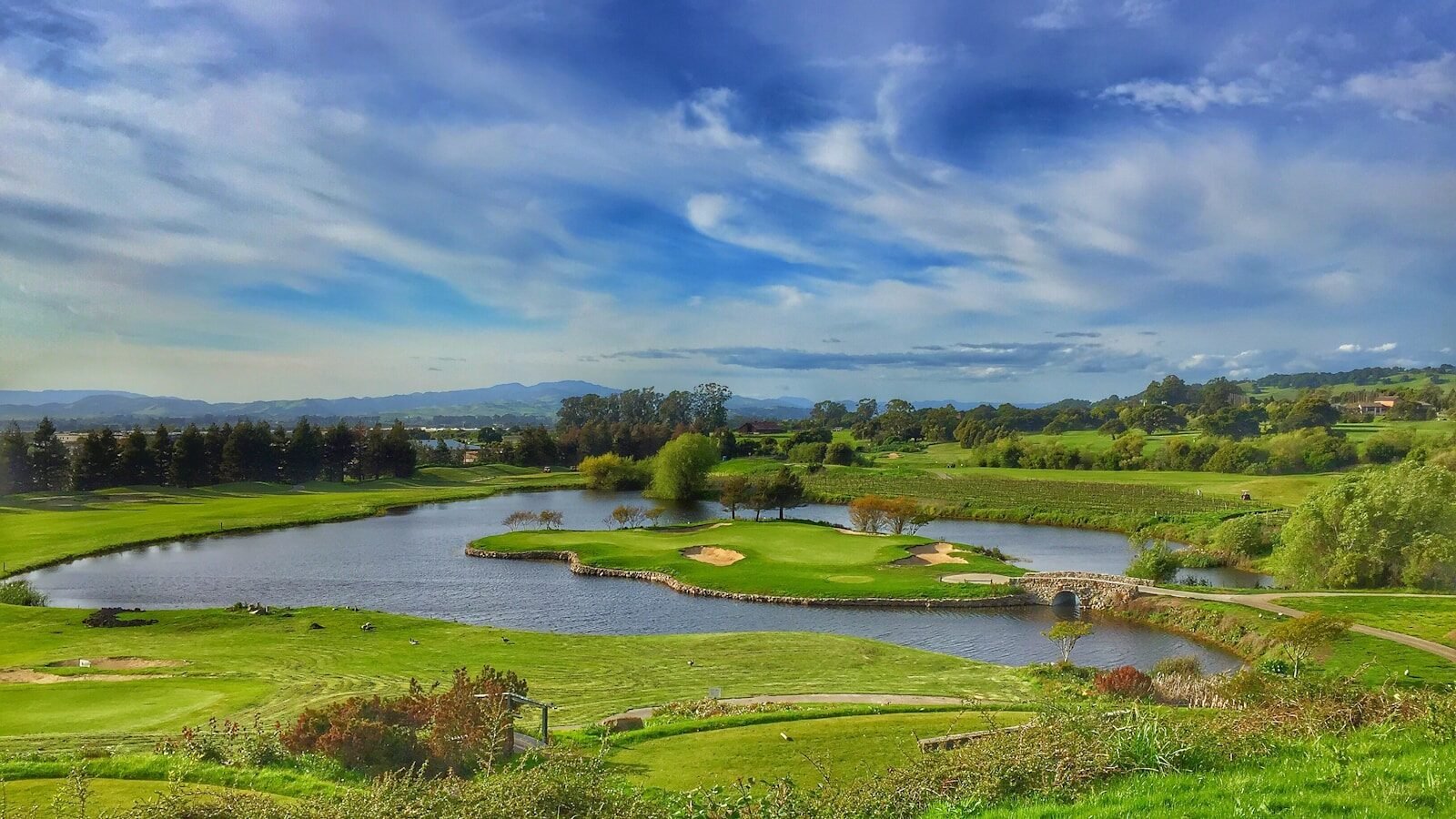
Unlike flat resort courses that feel repetitive after a few holes, Jamaica’s courses make use of the island’s naturally diverse topography. You will encounter coastal holes that run alongside the Caribbean Sea, elevated fairways offering panoramic mountain views, and lush valley holes framed by tropical vegetation.
4. An Unhurried Pace of Play
One complaint many golfers have at busy resort destinations is slow, crowded rounds. Jamaica’s top courses deliberately manage tee sheet capacity to ensure an unhurried, enjoyable pace. You are here to enjoy the experience — and the courses respect that.
A Closer Look at Jamaica’s Golf Course Landscape
Championship Courses Near Montego Bay
Montego Bay is widely regarded as the heartbeat of Jamaica’s golf scene. The area surrounding “MoBay,” as locals affectionately call it, is home to some of the island’s most celebrated layouts, many of which have hosted prestigious international tournaments.
One standout example is an 18-hole, 6,836-yard championship course originally designed by Ralph Plummer — an architect who crafted over 100 courses across a 40-year career. Plummer’s design philosophy was elegant in its simplicity: work with the terrain, not against it. He positioned holes across gently rolling hills, introduced precisely the right number of bunkers, and incorporated natural water features that add strategic intrigue without ever feeling gimmicky.
The course was further elevated in 2016, when renowned golf course architect Andrew Green led a comprehensive renovation. Green rebuilt greens complexes and bunkering to modern standards, introduced a new irrigation system, and refined the grading throughout the layout. His goal was clear — improve shot value and variety while staying true to Plummer’s original 1961 vision.
Green’s credentials speak for themselves. He has since completed acclaimed restoration projects at some of the most storied clubs in American golf history, including Oak Hill Country Club and Congressional Country Club. Having his work applied to a Jamaica course is a genuine mark of distinction.
The result is a course that flows beautifully — starting across flatter terrain, rising into the hills, and eventually descending back toward the sea. One of its most memorable holes incorporates a stone aqueduct dating back to the island’s sugar plantation era. You play your approach shot right through the aqueduct’s ancient stone pillars — a moment that connects you to Jamaica’s history in a way few golf holes anywhere in the world can claim.
What to Expect During Your Round
Golfers who have played Jamaica’s top courses consistently highlight:
- Breathtaking scenery — ocean views on multiple holes, tropical vegetation lining fairways
- Firm and fast conditions — well-maintained turf that rewards accurate iron play
- Strategic variety — no two consecutive holes feel the same
- Friendly local caddies — many courses offer experienced caddies who know every slope and wind pattern intimately
- Well-stocked pro shops — premium apparel and equipment brands available on-site
Best Time to Visit Jamaica for Golf
Understanding Jamaica’s seasons will help you plan the ideal golf trip:
| Season | Months | Conditions | Best For |
| Dry Season (Peak) | November – April | Sunny, low humidity, minimal rain | Most visitors, tournaments |
| Shoulder Season | May, October | Occasional showers, quieter | Budget-conscious travelers |
| Rainy Season | June – September | Higher rainfall, humid | Deals, fewer crowds |
The sweet spot for most golfers is December through March. Temperatures hover comfortably between 75°F and 85°F (24°C–29°C), rainfall is minimal, and the island is at its most lively. The only trade-off is that this is also peak tourist season, so booking accommodations and tee times well in advance is essential
How to Plan Your Jamaica Golf Trip: A Step-by-Step Guide
Planning a golf trip abroad can feel overwhelming, but breaking it into clear steps makes the process manageable and enjoyable.
Step 1: Set Your Budget
Jamaica golf trips can range from modest to luxury depending on your choices. Determine how much you want to allocate for flights, accommodation, tee fees, caddies, meals, and activities beyond golf.
Step 2: Choose Your Base
Montego Bay is the most popular base for golfers due to its proximity to the island’s finest courses and its well-developed tourism infrastructure. The area offers everything from boutique villas to full-service resort properties.
Step 3: Book Tee Times Early
Jamaica’s best courses fill up quickly during peak season. Contact courses directly or use their online booking systems as soon as your travel dates are confirmed — ideally two to three months in advance for December through March travel.
Step 4: Pack Smart for Tropical Golf
- Light, moisture-wicking golf shirts and shorts
- A light rain jacket (even in dry season, brief showers are possible)
- High-SPF sunscreen (reapply every two hours)
- A hat and UV-protective sunglasses
- Comfortable golf shoes with good grip for varied terrain
- Insect repellent for early morning rounds
Step 5: Build in Non-Golf Experiences
Jamaica rewards travelers who explore beyond the course. Spend a morning at the famous Dunn’s River Falls, enjoy fresh jerk chicken at a roadside spot, take a sunset catamaran cruise, or simply relax on the beach after your round. These experiences make a golf trip a true vacation.
Golf Skill Levels: Jamaica Courses for Everyone
One of the most common questions golfers ask before visiting Jamaica is: “Are these courses too difficult for casual players?” The honest answer is no — if you plan thoughtfully.
For Beginners and High Handicappers
Choose courses that offer multiple tee positions. Playing from the forward tees on a 6,800-yard championship course can reduce the effective yardage to a much more approachable 5,400–5,700 yards. Focus on enjoying the scenery and the experience rather than your scorecard.
For Mid-Handicappers
Jamaica’s courses offer the perfect balance of challenge and enjoyment. You will be tested by well-placed bunkers and subtle green complexes, but the layouts are fair. A good round on a Jamaica course is a genuinely satisfying achievement.
For Low Handicappers and Scratch Golfers
The island’s championship layouts will test every aspect of your game. Wind management, course management, and precision iron play are rewarded. Many holes demand creativity and strategic thinking that flat resort courses simply cannot replicate.
Case Study: The Economic and Cultural Impact of Golf Tourism in Jamaica
A 2022 Caribbean Tourism Organization report highlighted that golf tourism generates an average per-visitor spend approximately 35–40% higher than standard leisure tourism. Golfers tend to stay longer, dine at higher-end establishments, and purchase more local goods and services.
Jamaica has leveraged this dynamic effectively. The Montego Bay golf corridor — which includes multiple championship-standard courses within a short driving radius — has driven significant hotel and villa investment in the region. Local employment tied directly to golf operations (caddies, green-keeping staff, pro shop personnel, hospitality teams) supports thousands of Jamaican livelihoods.
Beyond the economics, golf in Jamaica carries cultural significance. Many local caddies have worked the same courses for decades, passing knowledge down through families. Their intimacy with the courses — knowing which way a green breaks based on the grain direction visible only to experienced eyes, or which club to pull when the trade winds pick up on a particular hole — adds a layer of authenticity that no GPS device can replicate.
Hiring a local caddie on your Jamaica golf trip is not just a practical decision. It is a cultural exchange that enriches your experience and directly supports the local community.
Frequently Asked Questions (FAQs)
Do I need to be a member to play golf in Jamaica?
Most of Jamaica’s top courses welcome visiting golfers. Some operate as private clubs that extend guest privileges to resort guests or through direct booking. Always check tee time availability and any guest policies in advance.
How much does a round of golf typically cost in Jamaica?
Green fees at Jamaica’s premium courses typically range from $100 to $250 USD per round, depending on the course, season, and whether a caddie fee is included. Many courses offer twilight or off-peak rates for budget-conscious golfers.
Is it customary to tip caddies in Jamaica?
Yes. Tipping caddies is standard practice and greatly appreciated. A typical tip ranges from $20 to $50 USD per round, depending on the quality of service and the length of the round.
Can I rent golf clubs in Jamaica?
Yes. Most courses offer club rental services, typically featuring well-maintained sets from leading brands. However, if you are particular about your equipment, bringing your own clubs is always the better option.
Is golf in Jamaica safe for solo travelers?
Absolutely. Jamaica’s golf courses are located in resort areas with excellent security and infrastructure. Solo golfers — both men and women — frequently visit without issue. Standard travel common sense applies, as it does in any international destination.
What is the dress code for golf courses in Jamaica?
Most courses follow standard golf attire requirements — collared shirts, tailored golf shorts or trousers, and golf shoes. Denim, t-shirts, and athletic shorts are typically not permitted on the course. Check each course’s specific dress code before your visit.
Final Thoughts: Jamaica Belongs on Every Golfer’s Bucket List
Golf travel is about more than just the courses — it is about the complete experience. And few destinations on earth deliver a complete experience quite like Jamaica.
From the moment you step onto the first tee and feel the warm Caribbean breeze, to the satisfaction of finishing your round with the ocean glittering in the distance, golf in Jamaica stays with you long after you return home.
The island offers world-class course design, unforgettable natural beauty, warm and welcoming people, and a cultural richness that elevates a simple golf trip into something genuinely memorable. Whether you are planning a solo golf pilgrimage, a couples’ getaway, or a group golf holiday with friends, Jamaica has everything you need to create the trip of a lifetime.
Start planning early, book your tee times in advance, hire a local caddie, and leave room in your itinerary for everything Jamaica offers beyond the fairways. You will not regret it.
🗓️ Updated Travel Tips & Information (2026)
Book Your Tee Times and Accommodation Far in Advance
With Jamaica’s increasing popularity as a golf destination, securing your preferred tee times and accommodation requires foresight. For trips planned in 2026, especially during peak seasons (December to April), aim to book 6-12 months out to lock in better rates and ensure availability at championship courses and desired resorts. Dynamic pricing models mean last-minute bookings often incur higher costs.
Efficiently Navigate Inter-Course Travel
While many resorts offer shuttles to their own courses, traveling between different golf clubs across the island requires planning. Utilize reputable private transfer services or certified JUTA taxis for safe and efficient transportation, as ride-sharing apps are not uniformly available or regulated outside major tourist hubs. Confirm travel times in advance, especially for early morning tee times, factoring in potential traffic.
Understand the True Cost of Your Golf Trip
For a realistic 2026 budget, factor in more than just green fees. Expect green fees to range from $150-$300+ USD per round, cart rentals typically $40-$60, and caddie fees (plus tip) around $30-$50 per round, often mandatory at premier courses. Don’t forget club rentals, which can add another $50-$75 per day, to avoid any unexpected expenses.
Maximize Your Game with a Local Caddie
Embrace the unique Jamaican golf experience by engaging a local caddie, often mandatory at the island’s top courses. These knowledgeable professionals offer invaluable insights into course layout, read greens expertly, and can significantly enhance your game
Last updated: July 28, 2026