Mexico, a land vibrant with color, flavor, and rhythm, holds within its heart a treasure trove of ancient wonders. Beyond its stunning beaches and bustling cities lies a world sculpted by civilizations long past – the awe-inspiring ruins of mighty empires. Exploring these ancient sites is like stepping back in time, offering a profound connection to a rich history that continues to shape the present. From towering pyramids that pierce the sky to intricate stone carvings hidden deep within the jungle, Mexico’s archaeological sites promise an unforgettable journey for any history enthusiast or adventurous traveler.
Imagine walking the same paths as ancient kings and priests, deciphering hieroglyphs that tell tales of gods and conquests, and feeling the palpable energy of places where profound rituals once took place. Mexico is home to some of the most significant and well-preserved pre-Hispanic ruins in the Americas, each site a unique testament to the ingenuity, artistry, and spiritual depth of civilizations like the Maya, Aztec, Zapotec, and Teotihuacan. Prepare to be mesmerized as we delve into the secrets and splendor of exploring ancient ruins in Mexico.
Journey Through Time: Mexico’s Most Iconic Ancient Ruins
Mexico’s vast landscape is dotted with hundreds of archaeological sites, but a select few stand out for their grandeur, historical significance, and accessibility. Here’s a guide to some of the must-visit ruins that will leave you breathless.
Chichen Itza: A New World Wonder
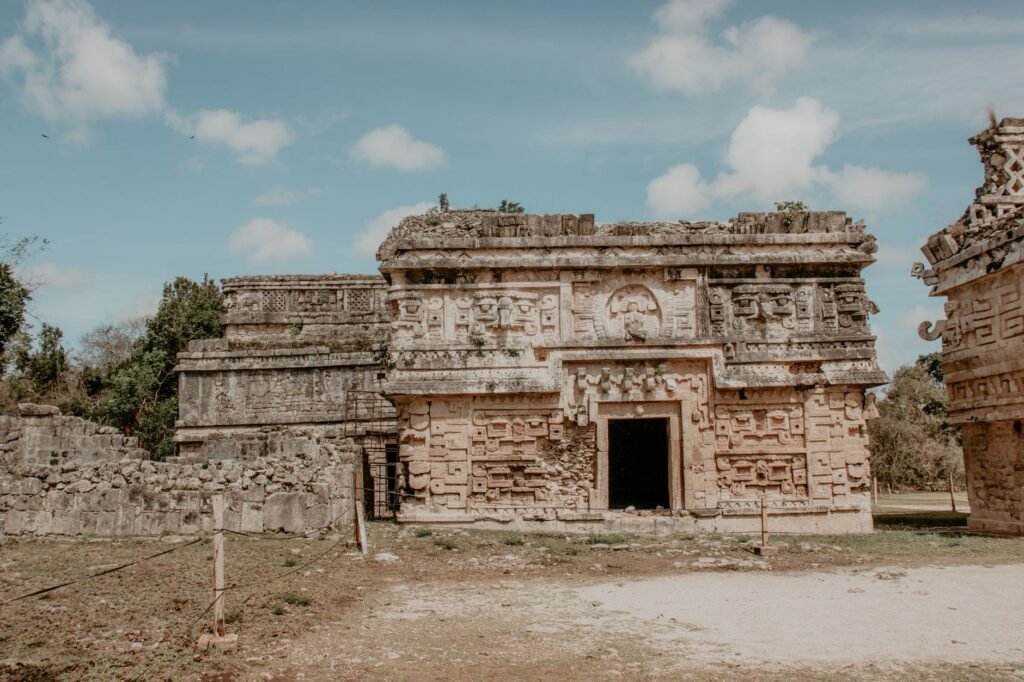
Located in the Yucatán Peninsula, Chichen Itza is arguably Mexico’s most famous Mayan site and a UNESCO World Heritage site. Its most iconic structure, El Castillo (The Kukulcan Pyramid), is a marvel of ancient architecture and astronomical precision. During the spring and autumn equinoxes, the sun’s shadow creates the illusion of a serpent (Kukulcan) slithering down the pyramid’s steps. Beyond the pyramid, explore the vast Ball Court, the Temple of the Warriors, and the sacred Cenote Sagrado, where ancient Mayans performed rituals and sacrifices.
- Highlights: El Castillo, The Great Ball Court, The Observatory (El Caracol), Cenote Sagrado.
- Insight: Arrive early to beat the crowds and the heat. Consider hiring a certified local guide to truly appreciate the intricate history and astronomical alignments.
Palenque: The Jungle City of Chiapas
Deep within the lush, misty jungles of Chiapas lies Palenque, a Mayan city renowned for its exquisite architecture and remarkably detailed carvings. Unlike the more open Chichen Itza, Palenque offers a more intimate and atmospheric experience, with many structures still partially reclaimed by the jungle. The Temple of the Inscriptions, housing the tomb of the great ruler Pakal, is a masterpiece of Mayan art and engineering. The Palenque site museum is also a must-visit to see artifacts found on site, including a replica of Pakal’s sarcophagus.
- Highlights: Temple of the Inscriptions, The Palace, Temple of the Cross Group, Palenque Site Museum.
- Insight: The humidity can be intense; bring plenty of water and insect repellent. The jungle setting means you might spot howler monkeys or exotic birds.
Tulum: Mayan City by the Sea
Perched dramatically on a cliff overlooking the turquoise waters of the Caribbean Sea, the Mayan ruins of Tulum offer perhaps the most picturesque setting of any ancient site in Mexico. While smaller than Chichen Itza or Palenque, Tulum’s unique coastal location made it an important port city and a center for sea trade. The main structure, El Castillo, along with the Temple of the Frescoes, provides stunning photo opportunities with the Caribbean as a backdrop. After exploring the ruins, you can descend to the beach for a refreshing dip.
- Highlights: El Castillo, Temple of the Frescoes, The House of the Cenote, pristine beach below the ruins.
- Insight: Combine your visit with a swim in the Caribbean or explore nearby cenotes. It can get very crowded, so an early morning visit is highly recommended.
Teotihuacan: City of the Gods
Just an hour’s drive northeast of Mexico City, Teotihuacan is a colossal pre-Aztec city dominated by the massive Pyramids of the Sun and the Moon. This ancient metropolis, whose original inhabitants remain somewhat of a mystery, was once one of the largest cities in the ancient world. Walking down the “Avenue of the Dead” towards the pyramids is an awe-inspiring experience, allowing you to grasp the sheer scale and power of this civilization. Climbing the Pyramid of the Sun offers panoramic views of the entire complex.
- Highlights: Pyramid of the Sun, Pyramid of the Moon, Avenue of the Dead, Temple of Quetzalcoatl (Feathered Serpent).
- Insight: Wear comfortable shoes, as there’s a lot of walking and climbing. The site opens early, and visiting before the tour buses arrive is ideal.
Monte Alban: Zapotec Majesty in Oaxaca
Overlooking the city of Oaxaca from a flattened mountaintop, Monte Alban was the most important Zapotec socio-political and economic center for nearly a thousand years. This UNESCO World Heritage site is characterized by its grand plaza, pyramids, temples, an observatory, and an impressive ball court. The views of the surrounding valleys are spectacular, and the site offers a profound sense of ancient power and spiritual significance. Don’t miss the “Danzantes” (dancers) carvings, which depict figures in unusual, possibly sacrificial, poses.
- Highlights: The Gran Plaza, Building J (Observatory), The Ball Court, Los Danzantes.
- Insight: The altitude can be a factor for some; stay hydrated. The site is easily accessible by shuttle or taxi from Oaxaca city.
Practical Tips for an Unforgettable Visit
To make your exploration of Mexico’s ancient ruins as smooth
🗓️ Updated Travel Tips & Information (2026)
Plan Ahead with Digital Ticketing
For 2026, many popular sites are transitioning to mandatory online pre-booking to manage visitor flow and reduce queues. Secure your entry tickets via the official INAH website or reputable tour operators well in advance, especially for high-demand sites like Chichen Itza or Teotihuacan, to guarantee access and often benefit from faster entry lines.
Budgeting for Your 2026 Ruin Adventure
Expect average entrance fees for major sites to range from 90-200 MXN (approx. $5-$12 USD) per person, though premier sites like Chichen Itza can be higher (around 600 MXN / $35 USD). Factor in additional costs for licensed local guides (typically 800-1500 MXN / $45-$85 USD for a 2-hour private tour), transportation, and hydration.
Stay Connected with eSIMs and Offline Maps
For seamless navigation and emergency communication, consider purchasing an eSIM before you travel or a local SIM card upon arrival. Download offline maps of the archaeological sites and surrounding areas using apps like Google Maps or Maps.me, as cell service can be spotty within remote jungle locations.
Embrace Sustainable Exploration
As responsible tourism gains prominence, commit to leaving no trace. Respect designated paths, avoid touching ancient structures, and carry out all your waste. Consider supporting local
Last updated: September 1, 2026