Imagine a journey through lands where history whispers from ancient caravanserai, where vibrant bazaars overflow with exotic spices and handcrafted treasures, and where the echoes of legendary traders still resonate across vast deserts and towering mountains. This is the allure of the Silk Road – not just a historical trade route, but an epic tapestry of cultures, landscapes, and human endeavor waiting to be explored. For centuries, this network of routes connected East and West, facilitating the exchange of not only silk and spices but also ideas, religions, and technologies. Today, it offers modern travelers an unparalleled adventure into the heart of ancient civilizations and breathtaking natural beauty.
Embarking on a Silk Road expedition is more than just a vacation; it’s a pilgrimage into the soul of human history. From the bustling markets of Xi’an to the turquoise-domed madrassas of Samarkand, every stop along this legendary path tells a story. Whether you’re a history buff, an intrepid adventurer, or simply seeking an immersive cultural experience, the Silk Road promises a journey that will transform your perspective and leave an indelible mark on your spirit.
Unveiling the Silk Road’s Wonders
The Silk Road is not a single road but a complex web of routes spanning thousands of miles across continents. While its historical reach was vast, modern travelers often focus on key segments that offer the most accessible and rewarding experiences.
China’s Ancient Gateways
Your Silk Road adventure often begins in China, the birthplace of silk production and the eastern terminus of many routes.
- Xi’an: Once Chang’an, the capital of several ancient dynasties, Xi’an is the traditional starting point. Marvel at the Terracotta Army, cycle the ancient city walls, and explore the Muslim Quarter with its vibrant markets and the magnificent Great Mosque.
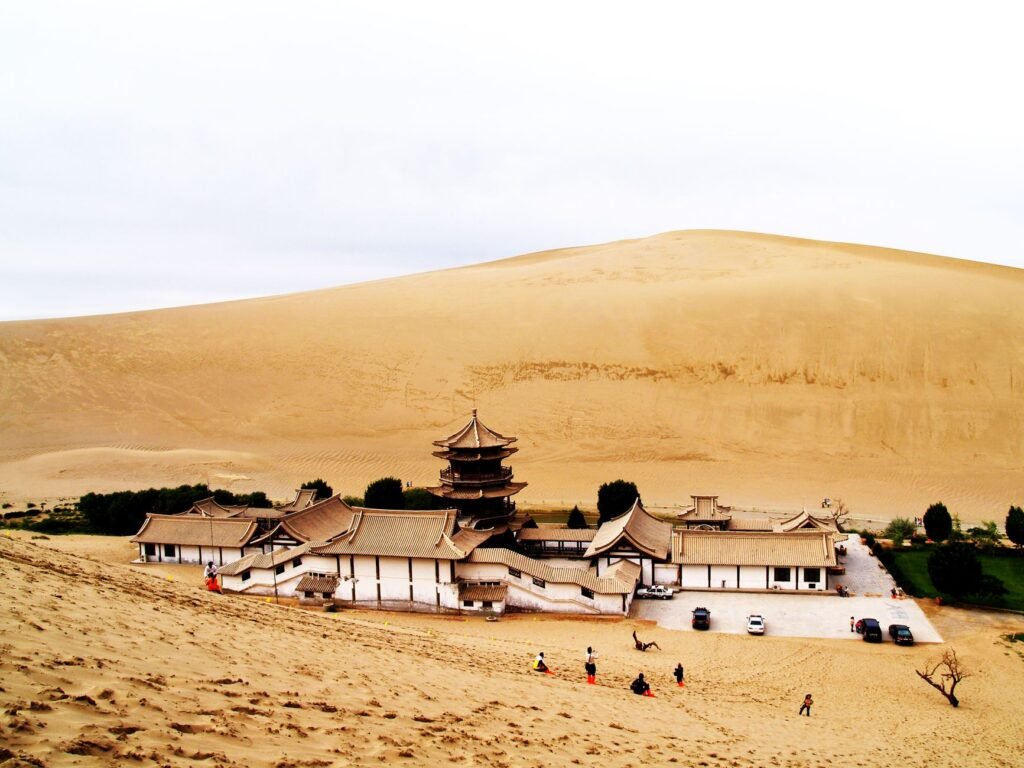
- Dunhuang: A vital oasis town, Dunhuang is famed for the Mogao Grottoes, a UNESCO World Heritage site housing thousands of Buddhist cave paintings and sculptures – a breathtaking testament to the spread of Buddhism along the Silk Road. Don’t miss the Singing Sand Dunes and Crescent Lake nearby.
Central Asian Marvels: The Heart of the Silk Road
Crossing into Central Asia, you enter a realm of stunning Islamic architecture, bustling bazaars, and legendary hospitality.
- Uzbekistan: Often considered the jewel of the Silk Road, Uzbekistan boasts three iconic cities that are essential stops:
- Samarkand: The legendary capital of Tamerlane, Samarkand will leave you awestruck with the grandeur of Registan Square, the intricate Shah-i-Zinda necropolis, and the Bibi-Khanym Mosque.
- Bukhara: A living museum, Bukhara’s Old City is a UNESCO site filled with ancient mosques, madrassas, and minarets. Wander through its labyrinthine alleys, visit the Poi Kalyan Complex, and explore its historic trading domes.
- Khiva: Step back in time within the walled city of Itchan Kala, where every corner reveals another marvel, from the towering Kalta Minor Minaret to the stunning Tash-Hauli Palace.
- Kazakhstan & Kyrgyzstan: These vast, mountainous countries offer a different Silk Road experience, focusing more on nomadic culture and stunning natural landscapes.
- Almaty (Kazakhstan): A modern city nestled against the Tian Shan mountains, offering a blend of Soviet-era architecture and natural beauty. Explore the Zenkov Cathedral and Medeu ice rink, or take a day trip to the Big Almaty Lake.
- Bishkek (Kyrgyzstan): A gateway to incredible mountain adventures, Bishkek is a base for exploring the Ala Archa National Park or embarking on a yurt stay for an authentic nomadic experience.
Beyond the Steppes
While less frequently traveled by modern tourists, the Silk Road historically extended further west through Iran (Persia), Turkey (Anatolia), and beyond, each offering their own unique historical and cultural treasures.
Planning Your Epic Silk Road Adventure
Embarking on a Silk Road journey requires some planning, but the rewards are immeasurable.
Best Time to Visit
The ideal times to explore the Silk Road are during the spring (April-May) and autumn (September-October). During these months, the weather is pleasant, avoiding the scorching summer heat and the bitter cold of winter. Spring brings blooming landscapes, while autumn offers vibrant foliage and harvest festivals.
Getting Around
Traveling the Silk Road today is far easier than it was for ancient caravanners.
- Flights: International flights connect major cities like Xi’an, Tashkent, Almaty, and Bishkek. Regional flights are also available between key destinations.
- Trains: Uzbekistan has an excellent high-speed train network connecting Tashkent, Samarkand, and Bukhara. Overnight trains are also a popular way to cover longer distances in China and between Central Asian countries.
- Buses & Shared Taxis: For shorter distances or more remote areas, local buses and shared taxis are common, offering a glimpse into local life.
- Organized Tours: Many tour operators specialize in Silk Road itineraries, handling logistics, accommodation, and guides, which can be ideal for first-time visitors or those with limited time.
Visa & Entry Requirements
Visa policies vary significantly by country. Uzbekistan, Kazakhstan, and Kyrgyzstan have become increasingly visa-friendly for many nationalities, often offering visa-free entry for up to 30 days. China and Iran generally require visas in advance. Always check the latest requirements for your nationality well in advance of your travel dates.
Budgeting for Your Journey
The cost of a Silk Road trip can vary widely. Central Asia is generally more affordable than Western Europe or North America, but prices for flights and organized tours can add up. Expect to budget anywhere from $50-$150+ per day for mid-range travel, excluding international flights.
Practical Tips for Travelers
- Pack Layers: Temperatures can fluctuate significantly between day and night, and between desert and mountain regions.
- Comfortable Footwear: You’ll be doing a lot of walking, especially exploring ancient sites and bazaars.
- Stay Hydrated: Especially in arid regions, carry a reusable water bottle and drink plenty of water.
- Health & Safety: Consult your doctor about necessary vaccinations. Be aware of your surroundings, especially in crowded markets, and keep valuables secure.
- Local Currency: Have some local currency for small purchases, though credit cards