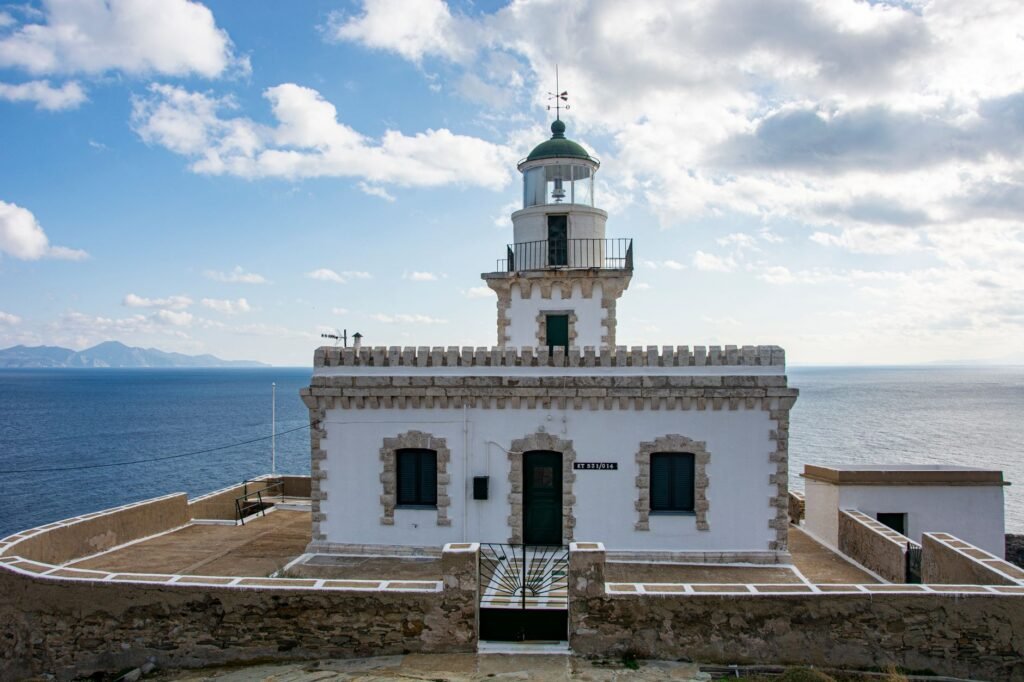
Imagine a canvas painted with dazzling white villages perched on cliffs, sapphire waters lapping at golden sands, ancient ruins whispering tales of gods and heroes, and the irresistible scent of olive groves carried on a warm breeze. This isn’t a dream; it’s the captivating reality of the Greek Islands. A mosaic of over 200 inhabited islands, each with its own distinct charm and personality, Greece offers an unparalleled travel experience that caters to every kind of wanderer. Whether you’re seeking vibrant nightlife, serene secluded beaches, a deep dive into history, or simply the joy of authentic Mediterranean cuisine, the Greek Islands promise an unforgettable adventure. Get ready to embark on a journey through this sun-drenched paradise, as we unveil the ultimate guide to navigating its magic.
Why the Greek Islands are an Unmissable Destination
The allure of the Greek Islands is multifaceted and deeply ingrained in their very essence. It’s not just the postcard-perfect scenery, though that alone is enough to draw millions. It’s the unique blend of:
- Unrivaled Beauty: From the iconic caldera views of Santorini to the emerald coves of Zakynthos, natural beauty abounds.
- Rich History & Culture: Walk through ancient archaeological sites, Byzantine monasteries, and Venetian fortresses.
- Delicious Cuisine: Savor fresh seafood, local cheeses, olives, vibrant salads, and the ubiquitous Greek coffee.
- Warm Hospitality: Experience the genuine friendliness and generosity of the Greek people, known as philotimo.
- Diverse Experiences: Party hard in Mykonos, relax in Patmos, hike in Crete, or explore the quiet charm of lesser-known gems.
Best Time to Visit the Greek Islands
Timing your trip can significantly enhance your Greek island experience:
- Peak Season (July & August): Hottest weather, busiest crowds, highest prices. Ideal for those who love a lively atmosphere and don’t mind the heat. Book everything well in advance!
- Shoulder Seasons (May, June, September, early October): Often considered the sweet spot. Pleasant temperatures, fewer crowds than peak season, lower prices, and all services are fully operational. The sea is warm enough for swimming.
- Off-Season (November to April): Cooler weather, many hotels and restaurants close, limited ferry schedules. Best for those seeking solitude, hiking, or exploring cultural sites without tourists. Some major islands like Crete and Rhodes remain relatively active.
Getting Around: Island Hopping Essentials
Part of the Greek island adventure is the journey between them. Here’s how to navigate:
- Ferries: The most common and romantic way to travel. High-speed ferries are faster but more expensive; conventional ferries are slower but offer more deck space and a calmer ride. Book in advance, especially for popular routes and peak season. Websites like Ferryhopper or direct ferry company sites are useful.
- Flights: For longer distances or when time is limited, domestic flights connect major islands (e.g., Athens to Santorini, Mykonos, Rhodes, Crete). Aegean Airlines and Sky Express are key carriers.
- Local Transport: Buses are reliable and affordable on most islands. Taxis are available but can be pricey. Renting a car, scooter, or ATV offers flexibility, especially on larger islands.
Exploring the Island Groups: A Taste of Greece
The Cyclades
The iconic image of Greece: white-washed villages, blue-domed churches, and stunning sunsets. Located in the Aegean Sea, the Cyclades are perhaps the most famous.
- Santorini: The crown jewel, famous for its dramatic caldera, Oia sunsets, and luxurious cave hotels. Perfect for romance and breathtaking views.
- Mykonos: The party island, known for its vibrant nightlife, chic beach clubs, and charming Mykonos Town (Chora). Also offers beautiful beaches and windmills.
- Paros: A fantastic all-rounder with beautiful beaches, traditional villages like Naoussa and Parikia, and excellent windsurfing. More laid-back than Mykonos but still lively.
- Naxos: The largest of the Cyclades, offering diverse landscapes, ancient ruins (Portara), stunning beaches, and delicious local produce. Great for families and active travelers.
- Milos: A geological marvel with unique volcanic rock formations (Sarakiniko, Kleftiko), crystal-clear waters, and charming fishing villages. Ideal for nature lovers and photographers.
The Dodecanese
Located in the southeastern Aegean, close to Turkey, these islands boast a rich history influenced by various empires.
- Rhodes: The largest Dodecanese island, famous for its medieval Old Town (a UNESCO World Heritage site), ancient ruins, and beautiful beaches.
- Kos: Known for its historical sites (Asclepeion), beautiful beaches, and vibrant nightlife in Kos Town.
- Patmos: A spiritual haven, home to the Monastery of Saint John the Theologian and the Cave of the Apocalypse. Offers a tranquil escape.
The Ionian Islands
Located off Greece’s west coast, these islands are lush and green, thanks to higher rainfall, and show strong Venetian influence.
- Corfu: A sophisticated island with Venetian architecture, stunning beaches, and a cosmopolitan atmosphere.
- Zakynthos: Home to the iconic Shipwreck Beach (Navagio), blue caves, and vibrant nightlife.
- Kefalonia: The largest Ionian island, offering dramatic landscapes, underground lakes (Mel