An Underwater Paradise: Discovering the Best Diving Spots in the Maldives
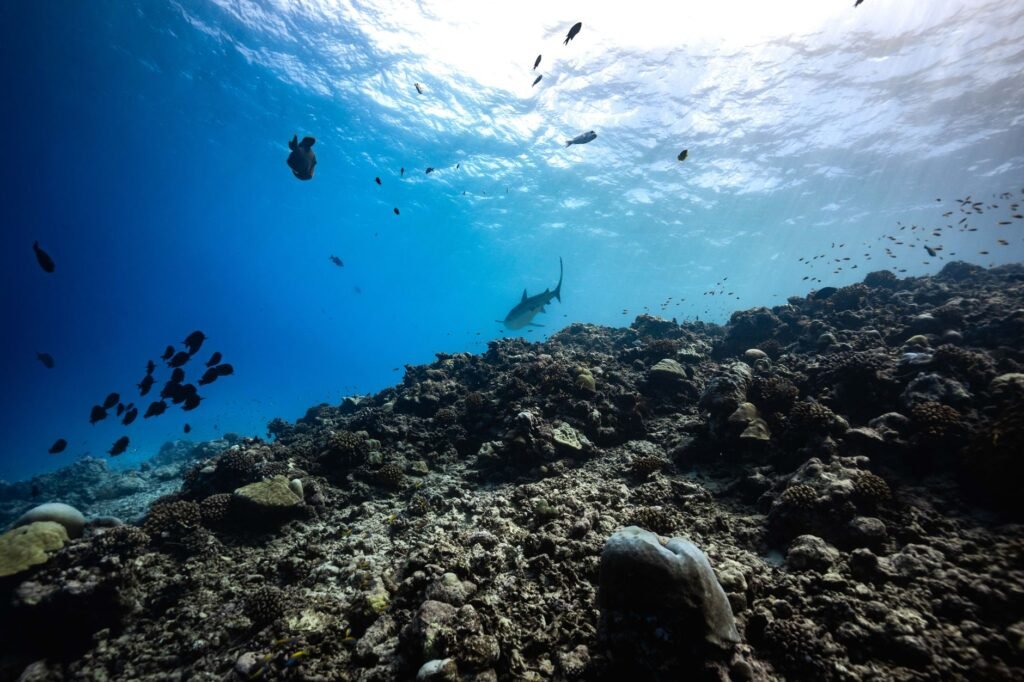
Imagine a kaleidoscope of color beneath the waves, where schools of iridescent fish dance around vibrant coral gardens, majestic manta rays glide gracefully overhead, and the thrill of encountering reef sharks sends an exhilarating shiver down your spine. This isn’t a dream; it’s the everyday reality of diving in the Maldives. Renowned globally as one of the planet’s premier diving destinations, this archipelago of over a thousand coral islands offers an unparalleled underwater experience. From adrenaline-pumping drift dives through nutrient-rich channels to serene explorations of protected reefs teeming with life, the Maldives caters to every diver’s fantasy. If you’re ready to plunge into an aquatic wonderland, join us as we explore the best diving spots this Indian Ocean jewel has to offer.
Why Dive in the Maldives?
The Maldives boasts crystal-clear waters, consistent warm temperatures year-round (26-30°C / 79-86°F), and an incredible diversity of marine life. Its unique atoll structure creates a complex network of channels, thilas (underwater pinnacles), and reefs, providing diverse habitats for everything from tiny nudibranchs to colossal whale sharks. Whether you’re a seasoned pro seeking thrilling currents and pelagic encounters or a beginner eager to explore shallow, colorful reefs, the Maldives promises unforgettable underwater adventures.
Top Diving Spots in the Maldives
Maaya Thila, Ari Atoll
Often hailed as one of the best dive sites in the world, Maaya Thila is an underwater pinnacle that consistently delivers an exhilarating experience, especially as a night dive. Located in the North Ari Atoll, this small thila is a cleaning station and hunting ground, attracting a spectacular array of marine life. Expect to encounter numerous white-tip reef sharks circling the reef, giant trevally, barracudas, and fusiliers in abundance. During a night dive, the entire ecosystem transforms, with hunting sharks and moray eels emerging from their crevices, creating a truly unforgettable spectacle. The thila itself is adorned with beautiful soft corals, making it a feast for the eyes both day and night.
Banana Reef, North Malé Atoll
One of the oldest and most famous dive sites in the Maldives, Banana Reef (formally known as Gaathugiri) is a protected marine area brimming with vibrant soft corals, dramatic overhangs, and a rich variety of reef fish. Its banana-like shape gives the reef its name, and its proximity to Malé makes it easily accessible. Divers here can expect to see snapper, bannerfish, oriental sweetlips, groupers, and often green sea turtles. The currents can be moderate to strong, making for exciting drift dives, revealing hidden caves and intricate coral formations that house countless smaller reef inhabitants.
Fotteyo Kandu, Vaavu Atoll
For those seeking adrenaline and large pelagic encounters, Fotteyo Kandu is a must-visit. This channel dive in the Vaavu Atoll is famous for its strong currents that attract large schools of grey reef sharks, eagle rays, and sometimes even hammerhead sharks. The channel walls are adorned with stunning soft corals and gorgonian fans, creating a breathtaking backdrop as you drift along. Keep an eye out for tuna, barracudas, and trevally hunting in the blue. Due to the currents, this site is generally recommended for more experienced divers comfortable with drift diving.
Manta Point (Multiple Locations)
The Maldives is synonymous with manta rays, and there are several renowned “Manta Points” across the atolls. Perhaps the most famous is Hanifaru Bay in Baa Atoll, a UNESCO Biosphere Reserve, which sees one of the largest seasonal aggregations of manta rays and whale sharks in the world between May and November. While diving is restricted here (snorkeling only to protect the animals), other sites like Lankan Manta Point in North Malé Atoll or Dhigurah in South Ari Atoll offer incredible diving opportunities to witness these majestic creatures at cleaning stations or feeding. Watching a manta glide effortlessly above you is an experience that stays with you forever.
Hammerhead Point (Rasdhoo Atoll)
Located near Rasdhoo Island in the Alif Alif Atoll, Hammerhead Point is one of the few places in the world where divers have a consistent chance of encountering schooling hammerhead sharks. These elusive creatures typically congregate in the early morning at deeper depths, making this an advanced dive that often requires an early start. Descending into the deep blue as the sun rises, hoping to catch a glimpse of these magnificent, oddly-shaped predators, is a thrilling pursuit that defines the Maldivian diving experience for many.
Maldive Victory Wreck, North Malé Atoll
For wreck enthusiasts, the Maldive Victory offers an exciting dive into history. This cargo ship sank in 1981 and now rests upright at a depth of 12-35 meters (40-115 feet) near Hulhulé Island. The wreck is beautifully encrusted with hard and soft corals and serves as an artificial reef, attracting a multitude of marine life including lionfish, angelfish, batfish, and various nudibranchs. Strong currents can be present, making it an advanced dive, but the opportunity to explore a thriving underwater museum is incredibly rewarding.
Best Time to Visit for Diving
The Maldives offers excellent diving year-round, but generally, the dry season from **December to May** is considered the peak time. During these months, the weather is sunny, the seas are calm, and visibility is at its best (often exceeding 30 meters/100 feet). This period is ideal for exploring reefs and channels. The wet season, from **June to November**, brings more rain and choppier seas, but it’s also when the south-west monsoon currents bring nutrient-rich waters to the eastern side of the atolls,