Chasing Cascades: The Ultimate Guide to Iceland’s Most Breathtaking Waterfalls
Iceland, the Land of Fire and Ice, is a realm where nature performs its most dramatic acts. While its volcanic landscapes and glacial lagoons often steal the spotlight, it’s the sheer abundance and raw power of its waterfalls that truly capt captivate the soul. From thundering giants to hidden gems, Iceland’s cascades are more than just natural wonders; they are integral to the island’s folklore, history, and unparalleled beauty. Prepare to be mesmerized as we guide you through the best waterfalls to visit in Iceland, offering practical tips and local insights to make your journey unforgettable.
The South Coast Spectacles: Iconic Falls & Hidden Wonders
The South Coast of Iceland is a treasure trove of natural beauty, and its waterfalls are undoubtedly among its brightest jewels. Easily accessible from Reykjavík, this region offers a perfect blend of iconic sights and secret escapes.
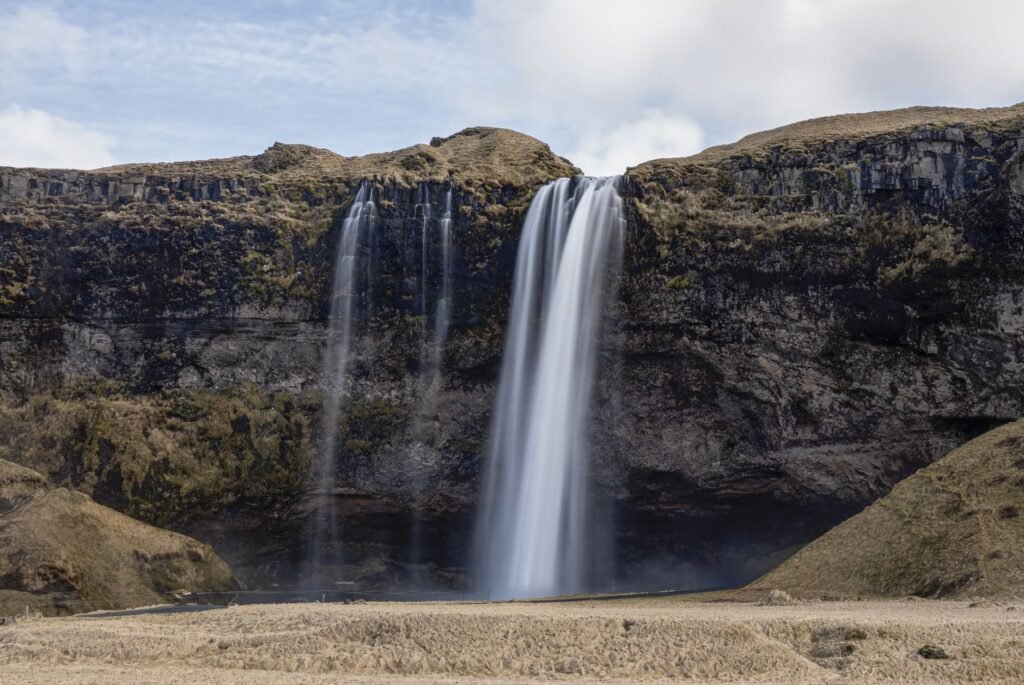
Seljalandsfoss: Walk Behind the Veil
One of Iceland’s most famous waterfalls, Seljalandsfoss offers a unique experience: the opportunity to walk behind its curtain of water. Standing at 60 meters (197 feet) tall, its elegant stream plunges into a tranquil pool. The path behind the falls can be slippery, especially in wet or icy conditions, so sturdy, waterproof footwear is essential. Visiting at sunset offers a magical glow, painting the waterfall in golden hues.
- Practical Tip: Bring a waterproof jacket and consider protecting your camera gear, as you will get wet!
Gljúfrabúi: The Hidden Waterfall
Just a short walk north from Seljalandsfoss lies Gljúfrabúi, often referred to as ‘the hidden waterfall.’ Tucked away within a narrow canyon, you’ll need to wade through a small stream and navigate some rocks to reach its mystical chamber. The reward is an intimate encounter with a powerful cascade falling into an enclosed space, creating a truly ethereal atmosphere. It’s less crowded than its famous neighbor, offering a moment of serene solitude.
- Practical Tip: Waterproof boots are a must for wading. Be prepared for a small adventure!
Skógafoss: The Rainbow Giant
Further east along the South Coast, Skógafoss stands as one of Iceland’s largest and most majestic waterfalls, boasting a width of 25 meters (82 feet) and a drop of 60 meters (197 feet). Its immense power often creates vibrant rainbows on sunny days, making it a photographer’s dream. A staircase alongside the falls leads to an observation platform at the top, offering breathtaking panoramic views of the cascading water and the coastline beyond. This is also the starting point for the Fimmvörðuháls hiking trail.
- Local Insight: Legend has it that a Viking settler named Þrasi Þórólfsson hid a treasure chest behind Skógafoss. While the chest itself remains elusive, the beauty of the fall is treasure enough!
Kvernufoss: Skógafoss’s Secret Neighbor
Often overlooked by travelers rushing between Seljalandsfoss and Skógafoss, Kvernufoss is a true hidden gem. Located just a short walk from the Skógar Museum, this picturesque waterfall also allows visitors to walk behind its gentle curtain of water. The path to Kvernufoss is less developed, adding to its secluded charm, and it offers stunning photo opportunities without the crowds.
- Practical Tip: Look for the small, unmarked path leading from the museum grounds. It’s worth the detour!
The Golden Circle Gem: Gullfoss
No tour of Iceland’s natural wonders is complete without a visit to the Golden Circle, and its star waterfall, Gullfoss, is a testament to nature’s raw power.
Gullfoss: The Golden Falls
Gullfoss, or the “Golden Falls,” is a magnificent two-tiered waterfall that plunges into a deep canyon. Fed by the Hvítá river, which originates from the Langjökull glacier, its sheer volume of water is astounding. On a sunny day, the glacial sediment in the water gives it a golden hue, and rainbows frequently arch over the spray. Multiple viewing platforms offer different perspectives, from the top of the falls to a path that takes you right down to the edge of the first drop, where you can truly feel its thunderous power.
- Best Time to Visit: While impressive year-round, Gullfoss is particularly stunning in winter when partially frozen, creating dramatic ice sculptures. However, some paths may be closed due to ice.
The Mighty North: Waterfalls of Gods and Power
Venturing north reveals a different side of Iceland’s waterfall landscape, characterized by vastness, power, and historical significance.
Goðafoss: The Waterfall of the Gods
Located in North Iceland, Goðafoss is not only beautiful but also steeped in history. Its name, “Waterfall of the Gods,” comes from the year 1000 AD when the lawspeaker Þorgeir Ljósvetningagoði made Christianity the official religion of Iceland and symbolically cast his pagan idols into the falls. The waterfall’s crescent shape and powerful flow make it incredibly