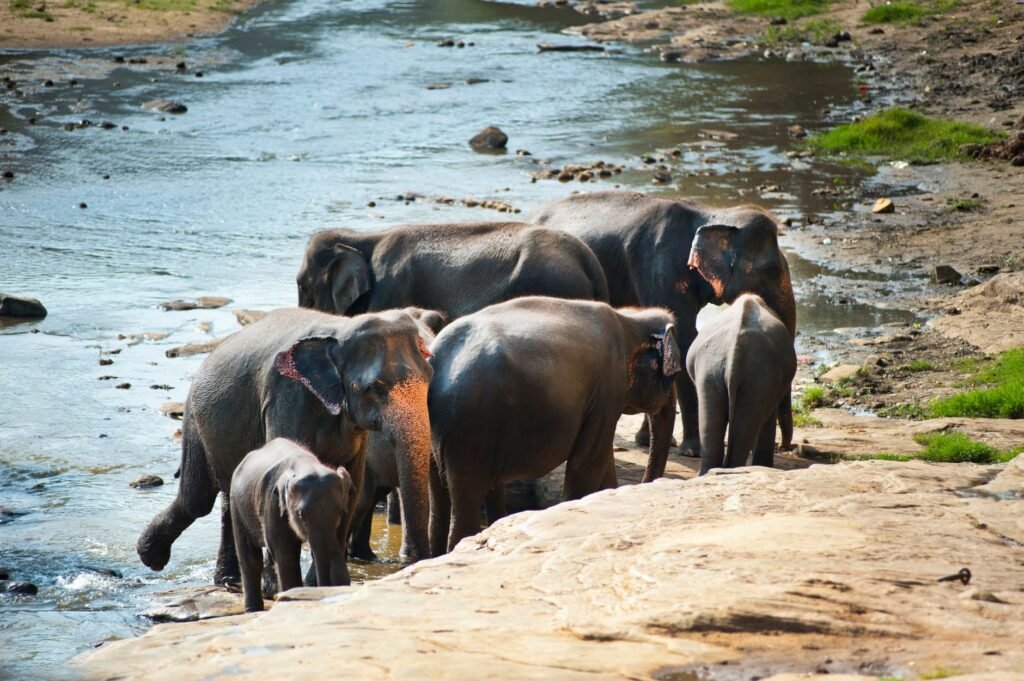
Sri Lanka, the Pearl of the Indian Ocean, may be small in size, but it punches well above its weight when it comes to biodiversity. This island nation is a wildlife enthusiast’s dream, home to an incredible array of ecosystems ranging from sun-drenched beaches and arid plains to misty highlands and lush rainforests. It’s a place where you can spot majestic elephants, elusive leopards, and vibrant birdlife, often within a single trip.
If you’re dreaming of an unforgettable safari experience, tracking incredible creatures in their natural habitats, Sri Lanka’s wildlife sanctuaries offer unparalleled opportunities. Beyond the bustling cultural sites and pristine beaches, lies a wild heart waiting to be explored. Get ready to embark on an adventure into the island’s most captivating natural havens.
Discovering Sri Lanka’s Premier Wildlife Sanctuaries
Each of Sri Lanka’s national parks and reserves offers a unique glimpse into the island’s rich ecological tapestry. Here are some of the best wildlife sanctuaries you absolutely must include in your itinerary:
Yala National Park: The Leopard Kingdom
Undoubtedly Sri Lanka’s most famous wildlife destination, Yala National Park is renowned for having one of the highest leopard densities in the world. Located in the southeast, its diverse landscape of scrub jungle, rocky outcrops, lagoons, and sandy beaches makes it a haven for a vast array of wildlife. While leopards are the star attraction, you’ll also have excellent chances of spotting large herds of Sri Lankan elephants, sloth bears, wild buffalo, crocodiles, deer, and an impressive variety of birds.
- Best Time to Visit: February to July for optimal leopard sightings, as water levels are low, forcing animals out into the open.
- Practical Tip: Yala can get crowded, especially during peak season. Book your safari jeep well in advance and consider starting early in the morning or late in the afternoon to avoid the midday heat and crowds.
Wilpattu National Park: Wilderness and Wetlands
As Sri Lanka’s largest and one of the oldest national parks, Wilpattu offers a more serene and less crowded safari experience compared to Yala. Its defining feature is the numerous “willus” (natural lakes) scattered throughout the park, which attract a wealth of wildlife, especially birds. Wilpattu is another excellent spot for leopard sightings, alongside sloth bears, elephants, deer, and an abundance of waterfowl. The park’s dense forest cover and expansive wetlands provide a truly wild and immersive feel.
- Best Time to Visit: March to October, when the dry season makes wildlife viewing easier as animals congregate around water sources.
- Practical Tip: Due to its size, a full-day safari is recommended to cover more ground and increase your chances of diverse sightings.
Uda Walawe National Park: The Elephant Gathering
If elephants are high on your wildlife wish list, Uda Walawe National Park is the place to be. This park, located in the south-central part of the island, is famous for its large herds of Sri Lankan elephants, often seen grazing in the open grasslands and congregating around the Uda Walawe Reservoir. It’s also home to the Elephant Transit Home (ETH), a rehabilitation center for orphaned elephant calves, which you can visit to observe feeding times. Besides elephants, you might spot water buffalo, sambar deer, crocodiles, and a fantastic array of raptors.
- Best Time to Visit: Year-round, but the dry season (May to September) offers particularly spectacular elephant gatherings.
- Practical Tip: Combine your safari with a visit to the Elephant Transit Home to support their conservation efforts and witness the heartwarming sight of baby elephants.
Horton Plains National Park: Highland Wonders
Venturing into the central highlands, Horton Plains National Park offers a completely different wildlife experience. This UNESCO World Heritage site is a vast expanse of cloud forests and montane grasslands, famous for its unique biodiversity and breathtaking landscapes, including the dramatic cliff edge known as World’s End. While large mammals are less common, you can spot sambar deer, the elusive purple-faced langur, and a remarkable variety of endemic birds. It’s also a hiker’s paradise, with well-maintained trails.
- Best Time to Visit: January to March, during the dry season, for clear views and pleasant hiking weather.
- Practical Tip: Start your hike early in the morning (before 8 AM) to avoid the mist that often rolls in later in the day, obscuring the views at World’s End.
Bundala National Park: A Birder’s Paradise
Designated a UNESCO Biosphere Reserve and a Ramsar wetland site, Bundala National Park on the southeastern coast is a crucial wintering ground for migratory water birds. If birdwatching is your passion, this park is a must-visit. Its complex network of lagoons, salt pans, and mangroves attracts thousands of birds, including flamingos, pelicans, storks, and many rare species. You might also encounter crocodiles, monitor lizards, and even small herds of elephants.
- Best Time to Visit: November to March, when migratory birds arrive in large numbers.
- Practical Tip: Bring a good pair of binoculars and a bird identification guide. Consider a boat safari on the lagoons for unique viewing angles.
Sinharaja Forest Reserve: Rainforest Riches
Another UNESCO World Heritage site, Sinharaja Forest Reserve is Sri Lanka’s last viable area of primary tropical rainforest and a biodiversity hotspot. This dense, pristine jungle is home to a staggering number of endemic species, particularly birds, reptiles, and amphibians. While spotting large mammals like leopards or elephants is rare due to the thick foliage, the magic of Sinharaja lies in its incredible biodiversity of smaller creatures, vibrant insects, and the symphony of the rainforest itself. Guided treks offer insights into its unique flora and fauna.
- Best Time to Visit: January to March and August to September, during the drier inter-monsoon periods.
- Practical Tip: Hire an experienced local guide; they are