Step back in time to a land of pharaohs, pyramids, and unparalleled history. A journey through Ancient Egypt, from the bustling metropolis of Cairo to the serene banks of Luxor, is more than just a trip; it’s an odyssey that awakens the soul and captivates the imagination. Prepare to trace the footsteps of legends, marvel at architectural wonders that defy time, and immerse yourself in a culture as vibrant today as it was millennia ago. This guide invites you to embark on an unforgettable adventure, exploring the very heart of Egyptian civilization, where every stone tells a story and every sunset over the Nile paints a masterpiece.
Cairo: Where History Begins
Your Egyptian adventure typically begins in Cairo, the vibrant capital city that serves as a gateway to the ancient world. Cairo is a city of contrasts, where modern life thrives amidst monuments of an age long past, offering a captivating introduction to Egypt’s rich tapestry.
The Giza Pyramids & Sphinx
No visit to Cairo is complete without standing in awe before the Great Pyramids of Giza. These colossal structures, built as tombs for pharaohs Khufu, Khafre, and Menkaure, are the last remaining wonders of the ancient world. Feel the immense weight of history as you gaze upon the Sphinx, a mythical creature with the body of a lion and the head of a human, guarding these monumental tombs. Consider a camel ride for a classic photo opportunity and a unique perspective of the plateau.
The Grand Egyptian Museum (GEM)
While the Egyptian Museum in Tahrir Square has long housed an unparalleled collection of ancient artifacts, the new Grand Egyptian Museum (GEM), located near the Giza Pyramids, is rapidly becoming the world’s largest archaeological museum. It’s designed to showcase Egypt’s treasures, including the complete collection of Tutankhamun’s funerary artifacts, in a truly spectacular setting. Allow several hours, or even a full day, to explore its vast halls and witness the incredible artistry and ingenuity of ancient Egyptians.
Khan el-Khalili Bazaar
For a sensory explosion, delve into the labyrinthine alleys of Khan el-Khalili, Cairo’s historic market. This bustling bazaar has been a center of trade since the 14th century, offering everything from intricate jewelry and fragrant spices to handmade crafts and souvenirs. Practice your bargaining skills, sip on a traditional mint tea at a local café, and soak in the vibrant atmosphere that has enchanted travelers for centuries.
Islamic Cairo & The Citadel
Explore the stunning architecture of Islamic Cairo, a UNESCO World Heritage site. Visit the Citadel of Salah al-Din, a medieval Islamic fortress that offers panoramic views of the city. Within its walls stands the magnificent Mosque of Muhammad Ali, an Ottoman-style mosque known for its alabaster construction and soaring minarets. The area is rich with history, offering a glimpse into Egypt’s Islamic heritage.
Journeying South: Cairo to Luxor
Once you’ve absorbed the wonders of Cairo, it’s time to head south to Luxor, the heart of ancient Thebes. The most efficient and comfortable way to travel between these two historical hubs is by domestic flight, a quick hour-long journey that saves valuable exploration time. Alternatively, for those seeking a more traditional experience, an overnight sleeper train offers a unique perspective of the Egyptian landscape, though it’s a longer journey. Many travelers also opt for a multi-day Nile River cruise, which typically sails from Luxor to Aswan (or vice-versa), offering a luxurious way to see many temples along the way, but for a direct Cairo to Luxor focus, flying is key.
Luxor: The World’s Greatest Open-Air Museum
Luxor is often called the “world’s greatest open-air museum,” and for good reason. It’s built on and around the ancient city of Thebes, the capital of Egypt during its New Kingdom period, and is home to an astonishing concentration of temples, tombs, and monuments on both the East and West Banks of the Nile River.
East Bank Wonders
The East Bank of Luxor is dominated by two colossal temple complexes.
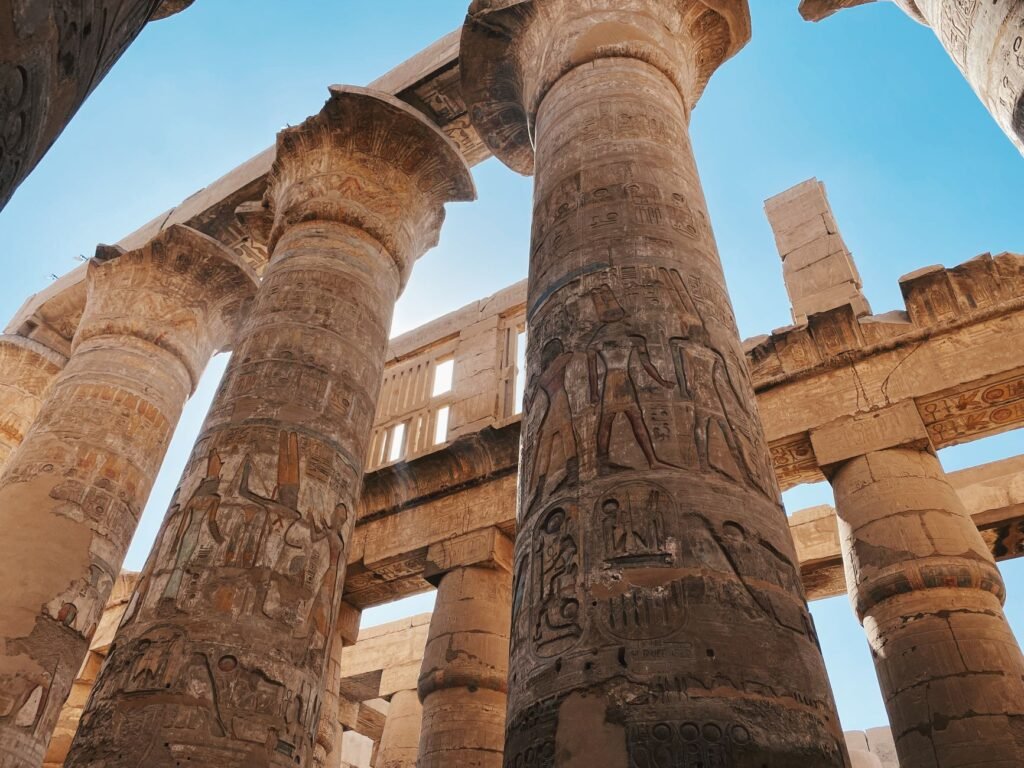
- Karnak Temple Complex: The largest ancient religious site in the world, Karnak is a breathtaking testament to the power and devotion of the pharaohs. Wander through its vast courtyards, towering obelisks, and the awe-inspiring Hypostyle Hall, with its 134 massive columns. Each section tells a story of gods, kings, and rituals, inviting you to imagine the grand ceremonies that once took place here.
- Luxor Temple: Connected to Karnak by an ancient avenue of sphinxes, Luxor Temple is dedicated to the Theban Triad of Amun, Mut, and Khonsu. It’s particularly enchanting at sunset and after dark when illuminated, casting a magical glow over its colossal statues and intricate carvings.