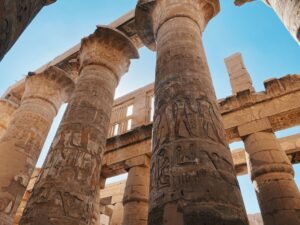
in Cambodia, which recently surpassed Italy’s Pompeii in global recognition due to its sheer scale and architectural perfection. Spanning over 400 acres, it remains the world’s largest religious monument and a masterclass in Khmer engineering. Other modern contenders for this prestigious label include the staggering Burj Khalifa
in Dubai—the world’s tallest building—and the Great Pyramid of Giza
, which holds an “honorary” status as the only surviving member of the original ancient wonders.
or the high-altitude citadel of Machu Picchu
, the “8th wonder” concept serves to highlight human innovation that matches the majesty of the original seven. For 2026, travel experts are also pointing toward emerging cultural landmarks like Matera in Italy as the next must-see global marvels.
-
Angkor Wat
, Cambodia: Recognized for its transformation from a Hindu to a Buddhist temple and its unmatched religious scale.
- Burj Khalifa, UAE: A 2,717-foot testament to modern architectural excellence.
- Terracotta Army, China: Thousands of life-sized clay soldiers representing a pinnacle of ancient craftsmanship.
-
Milford Sound
, New Zealand: Often cited by naturalists for its breathtaking fjords and “magical” scenery.
- The Internet: Frequently nominated in the digital age for its universal impact on human connection and information exchange.
Two ways to understand “the wonders of the world”
When people search what are the 8 wonders of the world they usually mean either:
- The ancient Seven Wonders (the classic list from Greek writers) — only one of which still stands today.
- The New7Wonders — a crowd-sourced list announced in 2007 that celebrates globally famous monuments across continents. Many websites and travel guides now present the New7Wonders plus the Great Pyramid of Giza as an honorary 8th wonder.
So when I say “eight,” I’m usually talking about the New7Wonders plus the Great Pyramid (the pyramid often gets honorary status because it survived from antiquity). If you ask me, that’s a neat compromise between history and the modern world.
A short history note on the ancient list
Long before modern voting campaigns, writers in the ancient Mediterranean put together a list of remarkable things: the Pyramids, the Hanging Gardens, the Statue of Zeus, the Temple of Artemis, the Mausoleum at Halicarnassus, the Colossus of Rhodes, and the Lighthouse of Alexandria. Most are lost to time now; only the Giza complex (the pyramids) remains largely intact. These were achievements of their era — engineering, artistry, and sometimes sheer audacity.
Why the New7Wonders — and who’s included
In 2007 a global campaign invited the public to vote on a modern list of wonders. The winners reflect a worldwide set of icons many of us have seen in pictures or on postcards: the Great Wall, Petra, Machu Picchu, Christ the Redeemer, Chichén Itzá, the Colosseum, and the Taj Mahal. The campaign also recognizes the Pyramids with an honorary status — that’s where the idea of 8 wonders often comes from. If you want an authoritative quick list of the winners, Britannica and the New7Wonders site list them clearly.
The “8” — short-list (New7Wonders + the honorary pyramid)
Below I walk you through the group most people mean when they type what are the 8 wonders of the world into a search bar. I’ll add tiny travel notes and one small memory for each — because facts alone are dull.
Great Pyramid of Giza
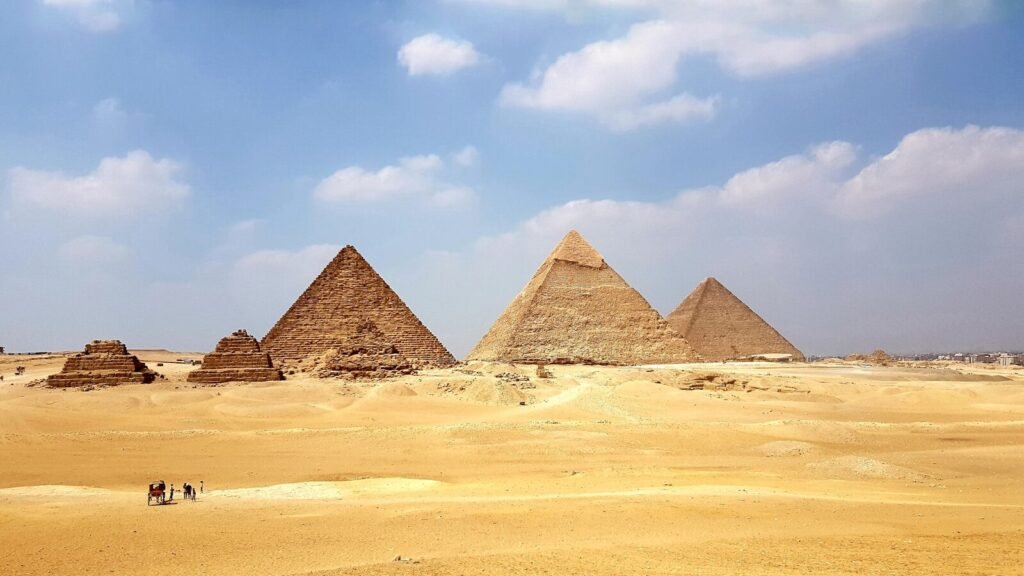
The Great Pyramid is the oldest giant on the list and the only structure from the ancient Seven Wonders to survive mostly intact. Built as a tomb for Pharaoh Khufu, it’s been a source of awe for millennia. Walk into the desert wind there and it feels like time bends. (Pro tip: early morning light is magic, and the crowds are thinner.)
Great Wall of China
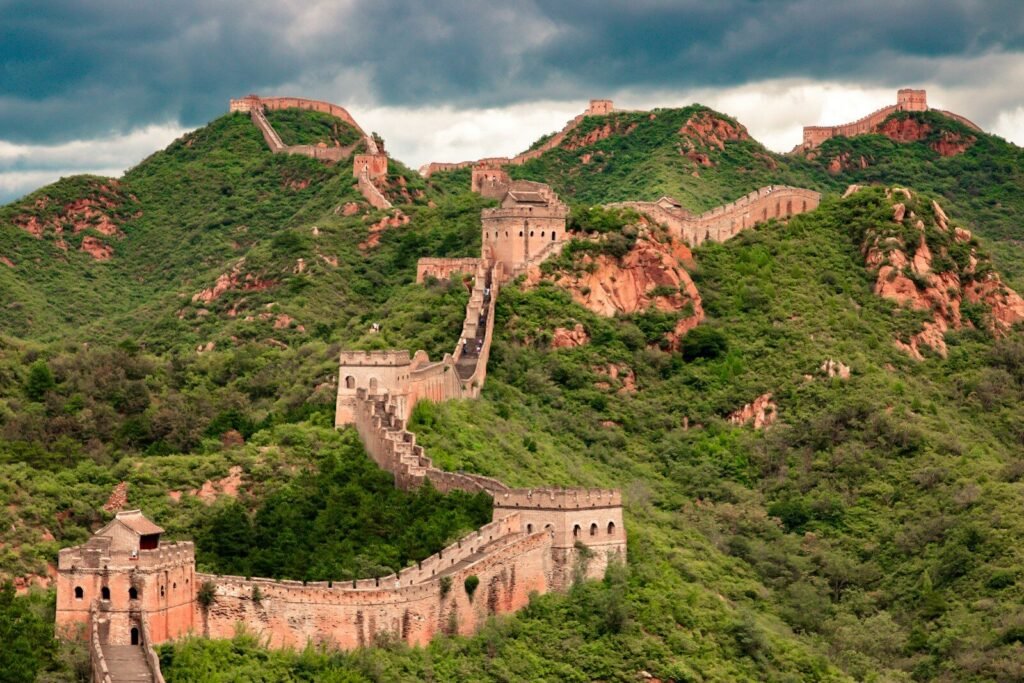
A ribbon of stone across hills and valleys, the Great Wall stretches so long you can’t absorb it in one glance. Believe it or not, different sections feel like entirely different worlds — some touristy, some rugged and empty. Walking a quiet stretch at Mutianyu I once met an old painter sitting on a rock sketching a watchtower; he told me he comes every month to capture the seasons. That’s the kind of human moment these places give you.
Taj Mahal
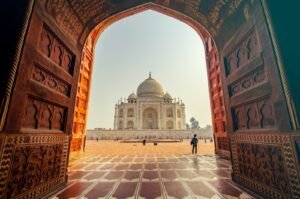
The Taj is a white-marble song of grief and love. Built by Shah Jahan for Mumtaz Mahal, the symmetry and the light on the marble are unforgettable. UNESCO catalogs its architecture and history — and yes it’s one of those places that feels different at sunrise vs noon. If you go, expect crowds but also expect to be quietly moved.
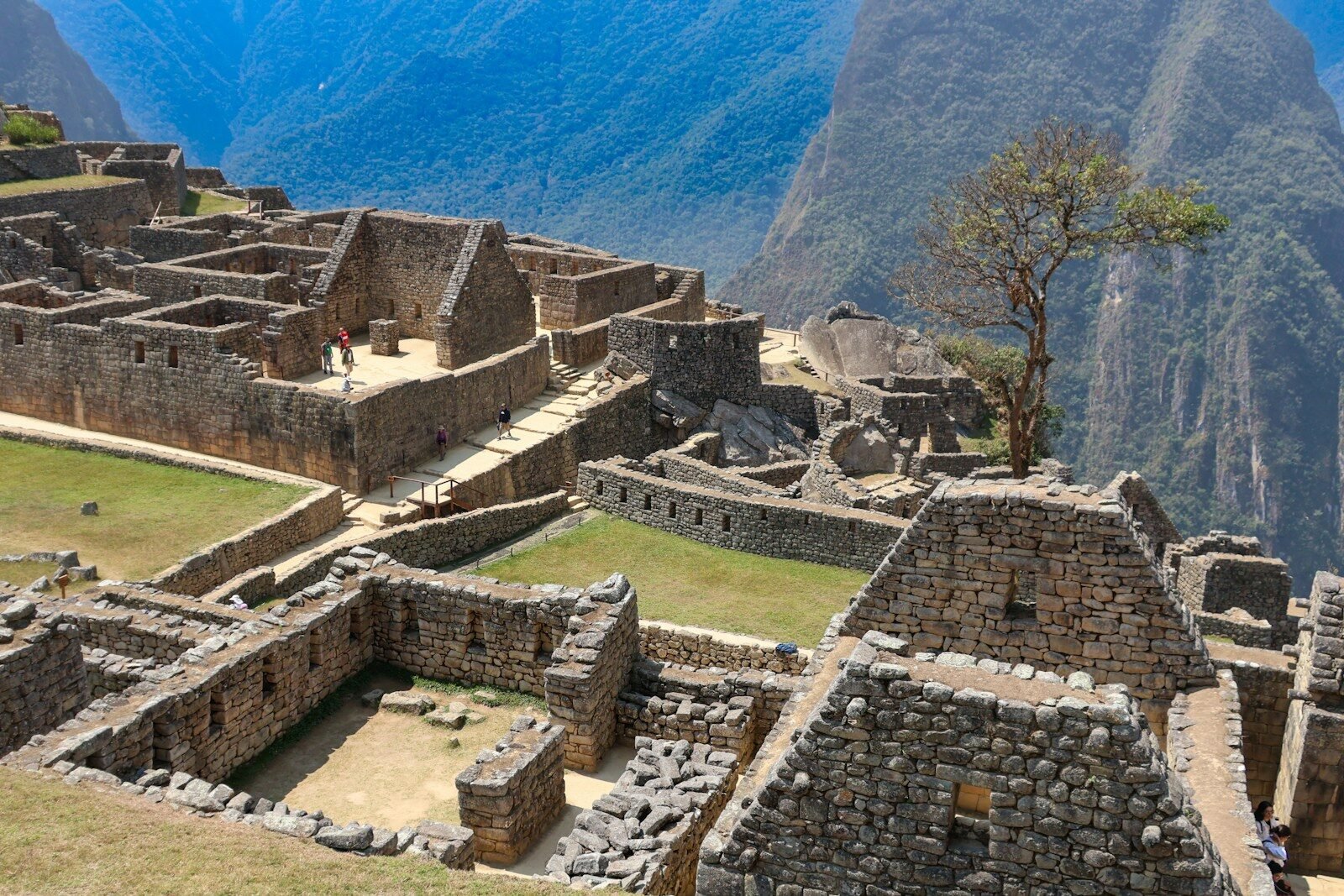
Machu Picchu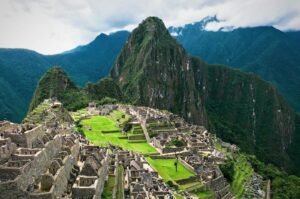
High in the Andes, this Incan city sits in clouds sometimes and clears to reveal terraces and stonework that seem impossible. I remember hiking in, breathless from altitude, then seeing it — it felt like stepping into a dream. Bring layers, someone told me later, because weather changes faster than you think.
Petra
Carved into rose-red cliffs, Petra is cinematic. The narrow siq that leads to the Treasury is atmospheric; small lights and the echo of footsteps amplify the moment. To be honest, Petra at dusk is like a storybook scene you didn’t know existed.
Chichén Itzá
This Maya city’s pyramid and ball courts are a reminder of mathematical precision and cultural richness. Chichén Itzá’s calendar connections are a favorite conversation starter at dinner parties — people love the blend of astronomy, ritual, and stone.
Colosseum
The Roman Colosseum is raw and monumental. Walking its arcades you sense crowds, spectacles and centuries of layered history. Close your eyes and it’s easy to imagine a shouted cheer. In the nearby piazzas, I once sat with gelato watching a street violinist play an old movie theme — the past and present in a spoonful.
Christ the Redeemer
Overlooking Rio, that outstretched statue is a skyline-defining moment. The city below — beaches, samba, hills — makes the statue feel like a guardian watching a living, breathing city. Fun fact: the statue’s arms feel like a hug from the mountain.
Are there other “eighth wonders”?
Yes, many places have been called the “Eighth Wonder of the World” over the years — from the Terracotta Army to the Banaue Rice Terraces, to natural phenomena like the Northern Lights. The phrase is often honorary and used to capture public imagination — think of it as a label people use for something astonishing. History.com and other outlets collect suggested candidates if you like debating which site deserves that crown.
Why lists change and why that’s okay
Lists of wonders evolve because our global view changes. The ancient list was local to Mediterranean observers; the New7Wonders campaign reflected the internet era’s global voting; UNESCO protects sites for cultural value rather than spectacle. That’s what makes travel and history fun — context shifts, and with it our favorites. I think that’s healthy; it means human curiosity keeps moving.
Travel tips, quickly (so you don’t make my mistakes)
- Book early for high-season entrances; some sites limit daily visitors.
- Respect local rules — many of these are protected heritage sites.
- Local guides can turn a stone pile into a story, so pay for knowledgeable guides when you can.
- Carry water and sunscreen at outdoor sites, and layers for high-altitude places.
- Try a quieter time: sunrise, or late afternoon, or the shoulder season. It’s worth it.
A tiny personal story
When I first saw a photo of the Great Pyramid as a kid, I thought it was a spaceship. Later, walking near its base, I realized the photo was the spaceship — but the meaning was all human: labor, memory, ceremony. That first postcard didn’t teach me facts, but it made me curious. That curiosity slowly grew into trips, into standing under stone, into conversations with local guides. That’s why lists matter: they make us want to go.
Wrapping up (without sounding robotic)
So, what are the 8 wonders of the world? If you mean the modern, crowd-chosen group the answer is the New7Wonders plus the Great Pyramid as an honorary eighth — a mix of ancient awe and modern votes. If you mean the ancient classic, that’s a different seven, mostly lost but still alive in stories. Either way, these places teach history, give you goosebumps, and sometimes, they change you. If you ask me, they’re worth at least one trip, maybe two.
What are you curious about next — a focused list of one region, or travel logistics for any of these? Ask and I’ll share what I know.
🗓️ Updated Travel Tips & Information (2026)
Embrace Sustainable & Ethical Exploration
As you plan your journey to these magnificent sites, prioritize tour operators and accommodations committed to sustainable tourism. Look for certifications, support local economies directly, and minimize your environmental footprint to help preserve these wonders for future generations.
Navigate
Last updated: August 18, 2026