
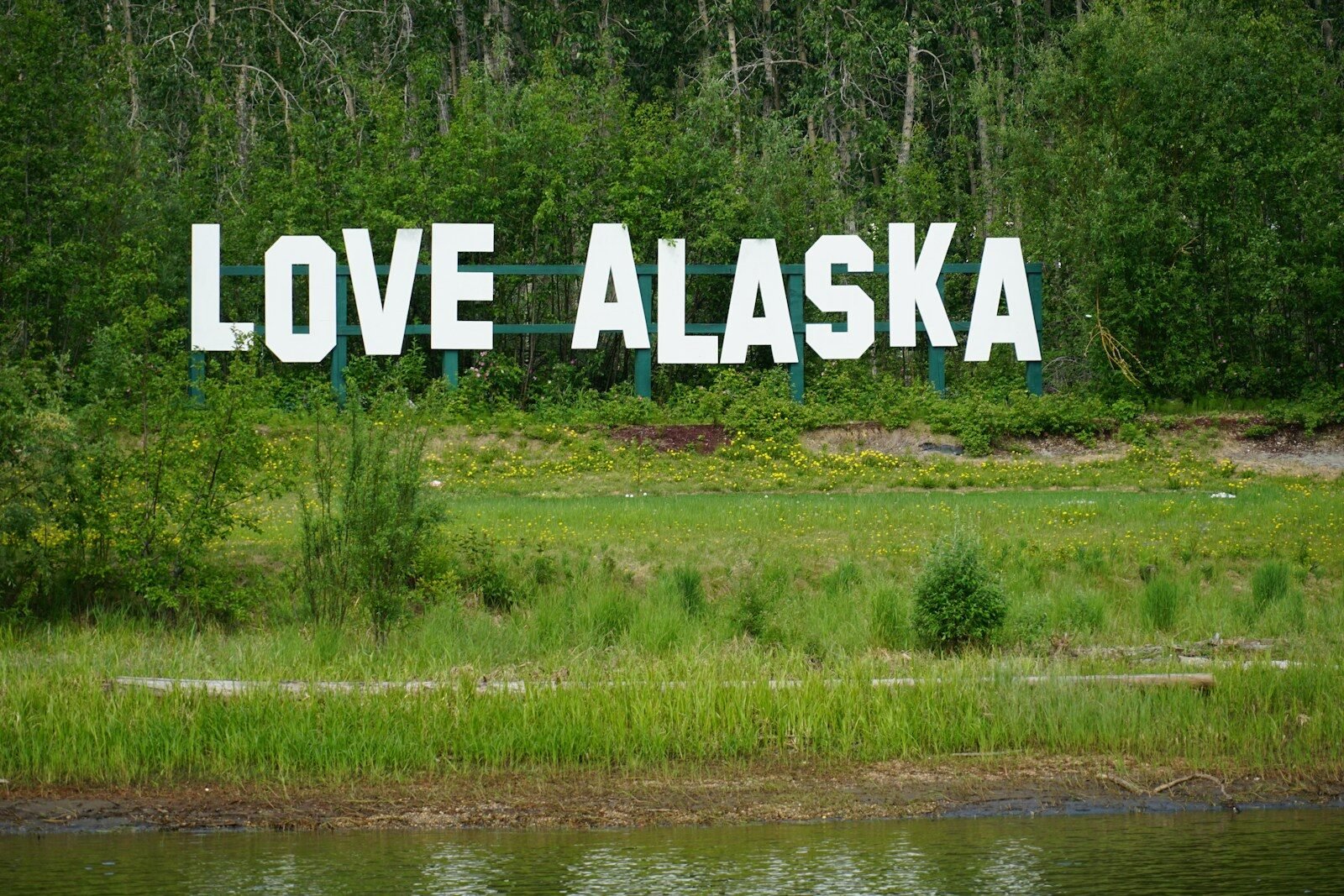

Honestly, the first time I typed package travel to Alaska into a search bar I expected long lists of cold, impersonal itineraries. What surprised me was how many of those packages felt handcrafted—like someone had quietly stitched together the exact kind of trip you daydream about. If you ask me, a good Alaska package removes the anxiety of planning and leaves you with the one thing that matters: memories.
Have you ever noticed that…? You plan one trip and it turns into a lifetime of stories. For me that started on a misty morning in Seward, watching a tidewater glacier calve with a sound like a distant drum. I still remember the guide’s laugh, the little kid next to me who squealed, and the way the boat rocked. That moment came courtesy of a packaged glacier cruise and Denali land stay — and it’s exactly the kind of thing a smart package travel to Alaska can deliver.
Why people choose package travel to Alaska
To be honest, Alaska is huge. You’re not just booking a city stay — you’re choosing regions that can be hundreds of miles apart with flaky weather and limited services. Packages simplify logistics: lodging, transfers, guided tours, sometimes meals and internal transport are pre-arranged. Travel Alaska’s official guides note that packages are a great place to start and that local experts often design them to cover the state’s big hits.
Beyond convenience, packages often include special access. Think guided bus tours into Denali National Park, glacier-cruise shorelines in Kenai Fjords, or rail journeys with spectacular vistas. A lot of the most popular seller packages combine a land stay with a cruise or the Alaska Railroad, so you get dramatic scenery without having to stitch together details yourself.
What a typical Alaska package includes (and what they don’t)
Believe it or not, most mid-range to premium packages bundle:
- Hotel nights (often in Anchorage, Talkeetna, Denali, Fairbanks).
- Guided Denali or wildlife tours.
- A glacier or fjord cruise (Kenai Fjords or Prince William Sound).
- Transfers and sometimes rail segments.
For example, a Denali–glacier combo package will usually list accommodations, a multi-hour glacier cruise, and a bus tour into Denali as inclusions. That’s the sort of itinerary that gives you the big “wow” moments without a million booking tabs open.
What packages don’t always include: international flights, certain excursions (like flightseeing or private fishing charters), gratuities, and travel insurance. So read the fine print, and ask about upgrades — things like flightseeing (helicopter + glacier landing) are easy to add, but might not be in the base price.
Best times to book and when to go
I think timing is everything. For wildlife and the classic Alaska summer experience—whale watching, bear viewing, long sunny days—May through September is the sweet spot. But if you’re chasing the Northern Lights, plan for late August through April, with March and September often flagged as especially good around equinox periods. Guides and travel providers recommend March for a mix of long nights, good aurora chances, and winter activities like dog sledding.
Pro tip from personal experience: book early for summer departures because lodges and cruise cabins sell out fast. Conversely, off-season winter packages can be quieter and more intimate but bring shorter daylight and cold temps. If Northern Lights are on your list, expect cold, and pack layers.
How to pick the right package for your travel style
If you ask me, there are three basic traveler types for Alaska:
- The “See-it-all” cruiser: prefers an inside-passage cruise with short land add-ons. Great for first-timers who want big-water glaciers and marine wildlife.
- The “Land & Adventure” traveler: stays in lodges, rides the Alaska Railroad, goes into Denali, and maybe adds flightseeing or rafting.
- The “Northern Lights/Winter” chaser: targets Fairbanks or interior Alaska during aurora season, often includes aurora lodges and guided night hunts.
Look for packages that match your pace. Families often like packages with shorter transit times and more guided activities. Solo travelers can save with group departures. Couples sometimes choose luxury lodges or small-ship cruises for privacy and curated experiences. If you’re the very active type, seek packages that list hiking, kayaking, or glacier trekking.
Price brackets and what they mean
Prices vary wildly. Simple 5–7 day packages can start in the low thousands per person, while deluxe, multi-week escorted tours with cruises can climb much higher. For example, popular packages that combine rail, Denali, and glacier cruises often run from a couple thousand to several thousand per person depending on season and cabin choices. Many providers list starting rates and “best-sellers”, which can help you compare quickly.
Remember: a slightly higher price can mean transfers included, better park access, and fewer hidden costs. A cheap headline rate might miss taxes, park fees, or the glacier cruise surcharge.
Safety, accessibility and realistic expectations
Alaska can be wild in ways that travel brochures understate. Weather changes fast. Wildlife is, well, wild — and not a picture postcard you can command. Have realistic expectations: guides will sometimes alter schedules for weather and wildlife safety. Many packages are designed to manage these risks with flexible itineraries and experienced local guides.
If mobility is a concern, check access options for lodges and tours. Many operators offer wheelchair-accessible buses and some accessible cruise cabins, but wilderness excursions like glacier hikes are, by nature, more physically demanding.
Picking a reputable operator
Do your homework. There are many well-reviewed Alaska-specialist operators, and aggregator lists can be a quick way to find vendors. Booking sites, local tourism bureaus, and travel consortia list established operators that offer a range of packages, from small-ship adventures to escorted coach tours. Tour operator directories and review sites help identify who’s consistently reliable.
A few checklist items before you hit “book”:
- Read sample itineraries and daily schedules.
- Check cancellation and refund policies.
- Look for included transfers vs. optional extras.
- Confirm how much free time vs guided activity there is.
Mini-story: how a package saved our family trip
Last summer, my sister attempted to DIY an Alaska trip for our family. Flights mismatched, rental car snafus, and then a cancelled small ferry left us stranded in a town with one café and quirky charm but no hotel rooms. We switched to a packaged “Glaciers & Wildlife” combo on the next day and, honestly, it felt like a magic trick. The package included the Kenai Fjords cruise, a rail segment, and a guaranteed Denali bus tour. Guides handled the rest. The kid who had been crying about the ferry ended the week with glacier snot on his coat and a badge of honor for spotting a humpback. That’s the funny part — the package rescued not just the itinerary, but the mood.
Packing and prep — what I wish I’d known
Bring layers, and don’t be romantic about “just one jacket.” Rain, wind, sun, and cold can all coexist in a single day. Binoculars are worth their weight; a small travel tripod helps if you’re into aurora or wildlife photography. Waterproof boots or at least sturdy shoes with good grip are useful for rocky shorelines and glacier walking paths.
Paperwork: bring printed copies of tickets and confirmations. Mobile service can be patchy, so having printed details saved you more than once.
Is a package travel to Alaska right for you?
If you want ease, curated experiences, and fewer planning headaches, yes. If you prefer complete flexibility, raw DIY might appeal. For first-timers or travelers with limited time, packages give a lot of bang for the buck—they get you to the highlights efficiently. Travel Alaska’s planning pages and local operators often remind that packages are especially helpful for combining distant points (like a cruise in the southeast and a land tour in interior Alaska), because they handle intermodal logistics.
Also Read: Things to do in San José, Costa Rica
Final thoughts — my small, stubborn advice
Honestly, go for a combination package if you can swing it. Doing a cruise and a short land stay changed everything for me — you get the marine perspective and the interior’s raw mountain drama. Ask about small-group options if you want less tourist-trail feeling. And if the Northern Lights are a dream, plan for the shoulder seasons when dark skies and aurora activity overlap.
What surprised me was how many people think Alaska is only a summer destination. It isn’t. Winter has its own heartbeat and serious magic—silent snow, aurora nights, cozy lodges. If that pulls at you, look for aurora-specific packages in Fairbanks or Denali-area lodges.