
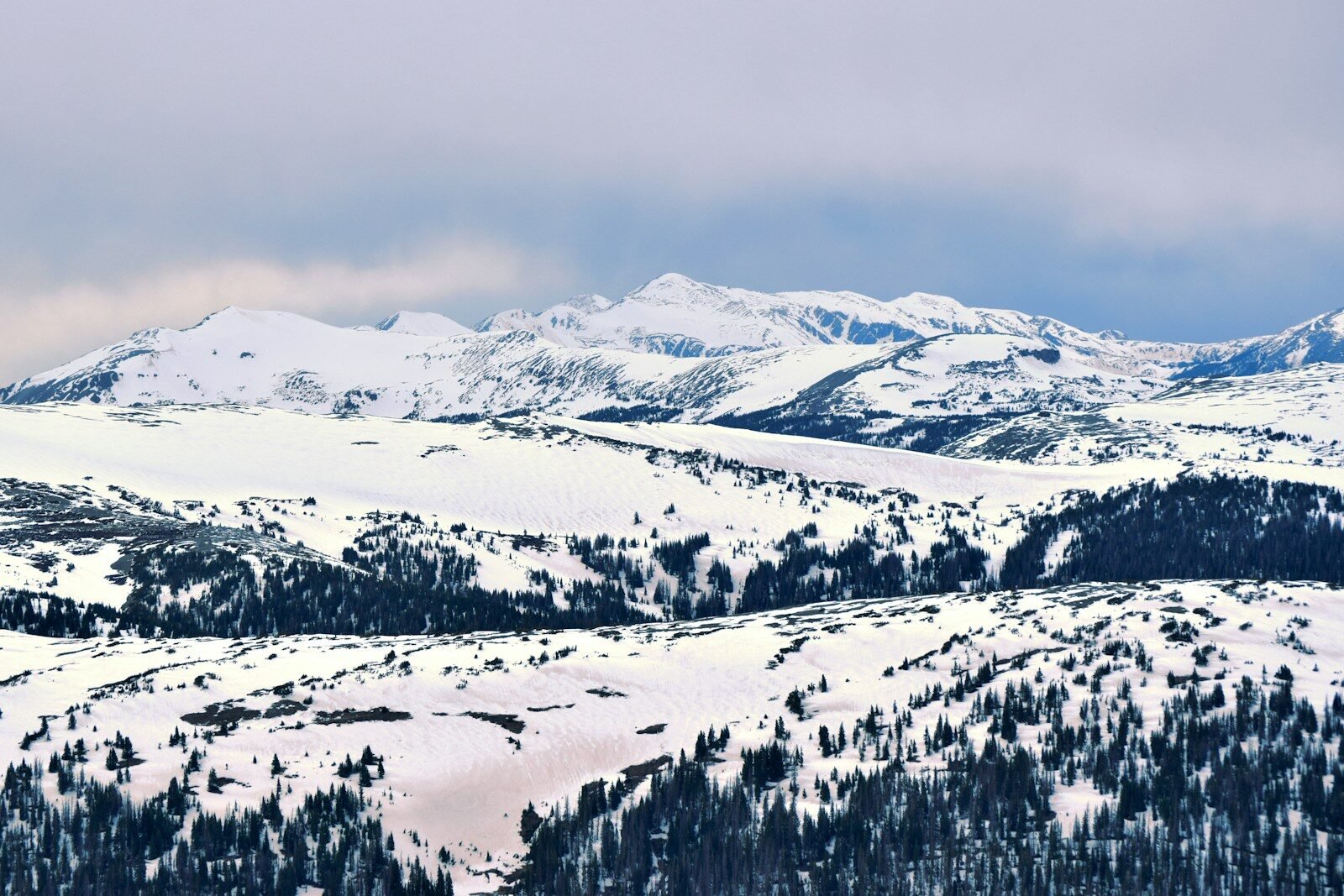

Honestly, many hikers were shocked when rocky mountain national park early snow dusted the aspen groves in late September — it’s dramatic, a little magical, and yeah, inconvenient if you drove up without winter boots. If you ask me, that first surprising white blanket changes everything: trails that felt summer-soft the day before become crisp and silent, and the animals seem to notice too. Believe it or not, early snow in the park isn’t just a cute photo moment; it reshapes plans, closes high roads, and teaches you to respect mountain weather.
Details Summary Table
| Topic | Quick fact |
|---|---|
| Typical early-snow months | September — November (early events possible) |
| Elevations most affected | Above ~8,000–10,000 ft (alpine areas year-round snowfall possible). |
| Trail Ridge Road status | Often closed mid-Oct to late May; opens weather-permitting. |
| Useful gear | Traction devices, layered clothing, waterproof boots |
| Why it matters | Safety, wildlife timing, road closures, and trail conditions. |
Rocky Mountain National Park and the Surprise of Early Snow
That’s the funny part: the park looks like two different places in 24 hours. One minute you’re stepping over fallen leaves, hearing elk bugle in the distance; the next, there’s a hush, soft light on marmot rocks, and a thin crust of snow underfoot. What surprised me was how quickly a hike turns from a warm autumn walk to a winter test — and how many visitors underestimate that shift.
To be honest, early snow isn’t an everyday event but it happens enough that locals treat September through November as “watch the skies” months. Above roughly 10,000 feet, snow is always a possibility any month of the year.
Why Early Snow Happens (Short, Human Explanation)
Mountains mess with weather. Warm air, cold pocket, a passing front — combine those with elevation, and precipitation that would be rain lower down becomes snow up high. If you’ve ever driven up a highway out of a valley and felt the temperature drop, that’s the same effect on a larger, wilder scale. In flatland weather, it might be 60°F; at 11,000 ft, it can be sleet and wind. That vertical change is the key reason early-season snow is common on high trails and along Trail Ridge Road.
Trails, Roads, and Timing — What Opens, What Closes
If you care about seeing the alpine tundra without trudging through snow, the timing of Trail Ridge Road matters. Trail Ridge Road — America’s highest continuous paved road — reaches about 12,183 feet and routinely closes for winter roughly mid-October, reopening late May when plowing and conditions allow. That means if you plan a scenic drive in early October, check current road status first.
Plowing is a huge operation. To be honest, I remember one spring trip where the road opened later than expected because they were still fighting massive snowbanks. The park’s crews run heavy equipment all spring to clear miles of drifted snow, and even then, high winds can shove snow back onto the pavement overnight.
What Early Snow Means for Hikers and Day Visitors
Have you ever noticed that…? Trails that are perfectly clear at 8 a.m. can be icy by noon once shade preserves the early snow. That’s when traction devices and waterproof boots suddenly become the smart, not-theatrical, choice.
Short story: I once set out for a half-day hike with sneakers and a light jacket. Mid-hike a fast storm dropped a few inches; half the group turned back shivering. We ended up sharing a thermos of soup with a ranger at the trailhead; the people who brought traction gear kept going. Moral — the mountain rewards respect.
Here’s the bottom line: on any trail above ~8,000 feet you should expect changing conditions from October through spring, and often snow-packed trails persist into May and June.
Wildlife and Plants — The Quiet, Unexpected Effects
Early snow nudges wildlife into different patterns. Elk and mule deer shift feeding zones, and small mammals tuck in earlier. If you love wildlife photography, early snow can be magical — a moose calf against snowy willows is unforgettable — but it’s also a fragile time. Newborn animals appear in late spring; an early-season storm in that window can increase vulnerability, so keep a respectful distance and avoid disturbing feeding or bedding areas.
Alpine plants, which are adapted to short growing seasons, sometimes get a second visual highlight when early snow coats wildflower meadows. The contrast is beautiful, but it also shortens their already brief bloom window.
Practical Packing List for Early-Season Visits
- Waterproof hiking boots (seriously).
- Lightweight traction devices (microspikes) — pack them even if the forecast looks dry.
- Layers: base, insulating mid-layer, windproof shell.
- Warm hat and gloves in your daypack.
- Sunscreen and sunglasses (snow + altitude = harsh sun).
- A printed map and a charged phone (cell reception is patchy).
- Bear spray if you’re going into heavy brush or lower elevation forests.
If you ask me, the one item most people forget is microspikes. They’re small, cheap, and they make the difference between turning around early and finishing a hike.
Safety Notes: Roads, Ice, and Driving
Trail Ridge Road aside, other park roads and approaches can get slick fast. Snowpack, freeze-thaw cycles, and rockfall warnings are real issues. Always check the park’s current conditions before you head out — the National Park Service publishes updates and seasonal guidance. When driving, treat alpine weather like a live event: check forecasts, reduce speed, and carry winter essentials even during shoulder seasons.
Short Personal Vignettes (Real-feeling Examples)
- Last October I watched a small group of photographers set up by Bear Lake just as a cloud blew over. They looked crestfallen at first; 10 minutes later the snowfall stopped and the light hit the ridgeline — the photos were worth the wait. There was genuine joy, and cold fingers, but joy nonetheless.
- A couple I met on a trail shared how their impromptu early-snow detour led them to a hot-soup lunch in Estes Park. They said the weather “ruined” their plans in the best possible way — a reminder that flexibility is a travel superpower.
Best Times to Visit If You Want to Avoid Early Snow
If you’re allergic to unexpected white stuff, aim for late July through mid-September for the warmest, most reliably clear conditions. Peak wildflowers and stable weather tend to cluster in July, and by August the tundra still looks great. But if you’re chasing autumn colors in the montane forests, mid-to-late September is prime — just be ready for a potential surprise dusting.
That said, early snow can make for quieter trails and stunning photo opportunities — so it’s a tradeoff. If you enjoy solitude and dramatic skies, an early-snow day might be your favorite memory.
Photography Tips During Early Snow
- Use a lens hood: glare from wet rocks and snow can be intense.
- Expose for midtones: snow tricks your camera meter into underexposure; a +1 stop compensation often helps.
- Bring spare dry socks: nothing ruins a photo day like cold, damp toes.
- Get low: snow in the foreground with a sunrise-lit ridge in the back creates depth.
Quick Checklist Before You Go (2-minute read)
- Check current conditions on the park website and Trail Ridge Road updates.
- Pack layers + traction + waterproof footwear.
- Leave your itinerary with someone at home.
- Drive prepared: reduce speed and expect sudden whiteouts at high elevation.
How Early Snow Affects Park Operations and Visitor Services
Believe it or not, the park sometimes delays opening mountain services (like the Alpine Visitor Center) until snowplows can make a safe route. That influences lodging access, shuttle services, and ranger programs. Park staff mention that reopening dates are “weather permitting” — a phrase that can mean anything from late May to early June sometimes. So don’t count on a specific day until the NPS posts it.
Respect and Leave No Trace — Now More Than Ever
When snow arrives early, fragile grasses and subalpine plants can be more vulnerable to off-trail trampling. Stick to durable surfaces, follow posted rules, and remember that your presence is louder in snow: footprints last longer, and animals sense human trails differently.
Final Thoughts
To be honest, Rocky Mountain National Park early snow can feel like a mood swing from the mountains — sudden, breathtaking, and a bit bossy. If you plan for it, you’ll enjoy some of the park’s most cinematic moments. If you underestimate it, you might learn a hard lesson about weather respect. I think the best trips are the ones where you pack sensibly, roll with changes, and find the small bright moments: a warm thermos, a quiet ridge, and the smell of pine after snow.
Bio: My name is Alix, I’m a content writer and researcher from the United States. I love exploring interesting topics and sharing insights through engaging, human-style writing.
Sources & Notes
Key facts and recommendations in this article draw on park guidance and weather summaries (NPS and RMNP seasonal pages), plus local reports about Trail Ridge Road’s seasonal closures and plowing practices. For the latest road and safety updates check the National Park Service and official park pages before you travel.