
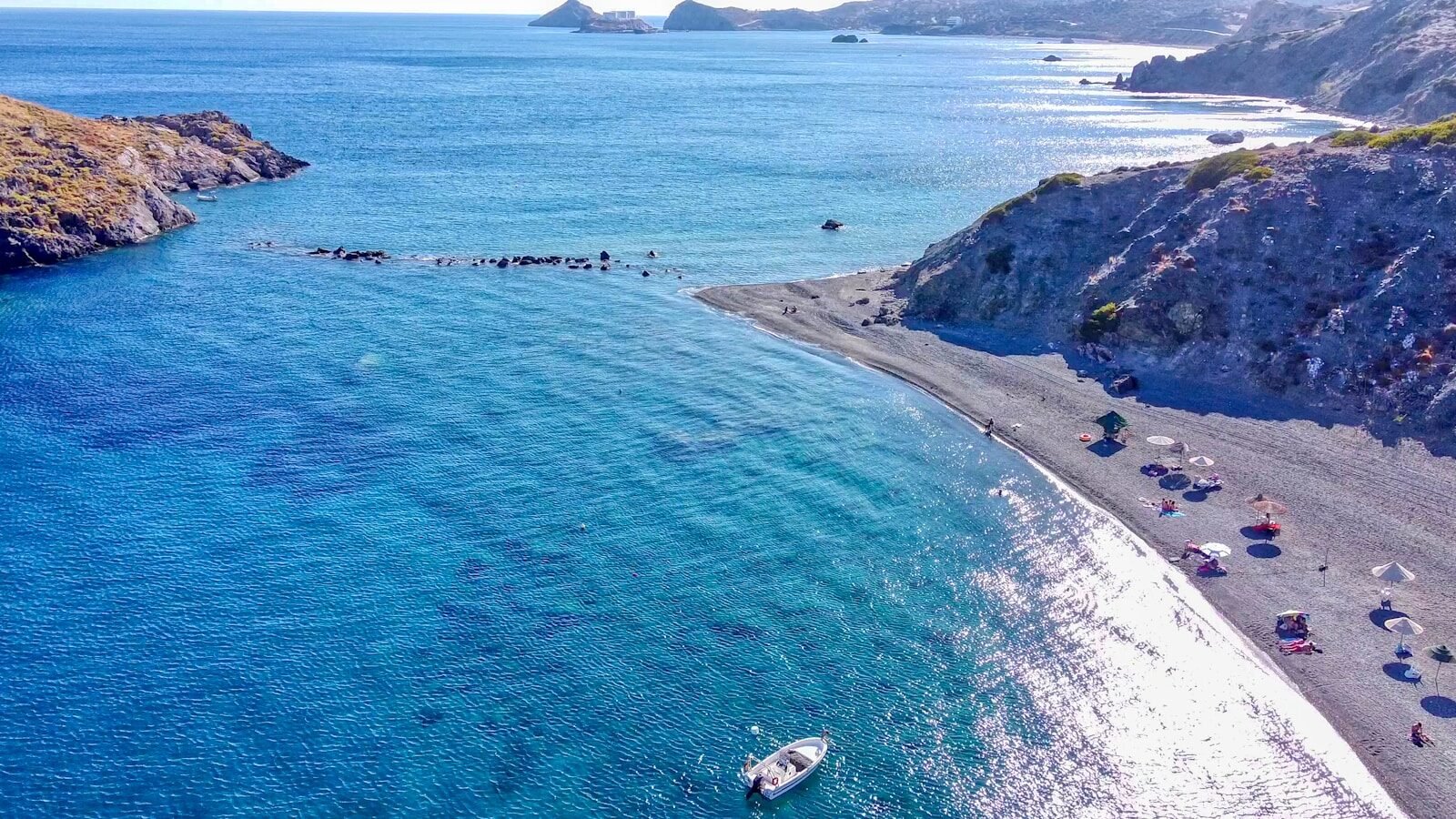

Honestly, when people ask where are the best beaches in Greece, they usually picture impossibly turquoise water and dramatic cliffs — and, well, that’s pretty accurate. If you ask me, the first thing you should know is that Greece isn’t a single-beach country; it’s a whole mosaic of coastlines, each island with its own personality, vibe and color of sea. Greece
Have you ever noticed that one photo of a beach can make you change your whole holiday plan? That happened to me — I was planning a simple island hop and then one image of a small bay (I’d never heard of) made me rearrange the trip. That’s the funny part about beaches here: one minute you’re fine with a map, the next you’re booking ferries.
Quick answer: the standouts (if you don’t have time)
- Navagio Beach — the shipwreck cove, dramatic cliffs and electric-blue water. A must-see; often reached by boat or admired from the clifftop.
- Elafonissi Beach — pink-tinged sand, shallow lagoons, great for families.
- Myrtos Beach — postcard-perfect white pebbles and steep cliffs.
- Balos Beach — a shallow lagoon with shifting sands and a real “otherworldly” color.
(There are dozens more — from Paros to Koufonisia to Santorini’s red sand coves — but these four are the names travel photos keep dragging people to.)
Why these beaches stand out (short, human reasons)
Believe it or not, each of those beaches offers something different: views, water color, sand texture or accessibility. Navagio is famous because there’s an actual rusting ship on the sand — it looks cinematic — but you usually need a boat to reach it and sometimes authorities restrict landing for safety.
Elafonissi is dreamy for families: the water is shallow and warm, the sand sometimes blush-pink, and it feels safe and shallow for small kids to splash. Balos feels like a postcard lagoon where you can wade out into the shallows; it rewards a bit of hiking or a boat trip. Myrtos? It looks like someone shook powdered quartz over the shore; the contrast with deep blue sea is staggering.
A tiny travel story — because the beaches are personal
What surprised me was how different “crowded” can feel: I once took a sunrise boat to a quieter cove near a famous beach, and the only sounds were gulls and the soft clink of a fishing boat. Two hours later the main bay filled with tour boats and the vibe changed completely. If you want solitude, go early or pick the quieter islands; if you’re after nightlife and a buzz, some beaches on the Cyclades (think Mykonos) give you both sand and bars.
Best time to visit these beaches
Summer (June–August) is peak beach weather — warm sea, long days — but also the busiest. Late May or September are sweet-spots: water is still warm, crowds are thinner. If you’re chasing low prices and don’t mind slightly cooler water, April and October can be surprisingly pleasant. (And if you’re building a broader European itinerary, our guide to the best travel destinations worldwide might give you ideas for nearby stops.)
Practical tips for each top beach
Navagio (Shipwreck) — Zakynthos
- Access: mainly by boat — the viewpoint above is reachable by car. Expect to see many tour boats in high season. If you want to step on the sand, check local rules — sometimes landings are restricted for safety.
- Best for: dramatic photos, short boat trips, couples and day-trippers.
- Tip: Go early (or late) to avoid the biggest crowds, and have a windbreaker — the viewpoint can get breezy.
Elafonissi — Crete
- Access: car or bus to the western tip of Crete, then short walk. Protected area — respect signs and don’t remove sand or plants.
- Best for: families, shallow-sand wading, unique pink sand photography.
- Tip: Bring shade; the dunes have limited natural cover.
Myrtos — Kefalonia
- Access: winding roads deliver you to one of Greece’s most famous cliff-top views. There’s parking near the viewpoint.
- Best for: dramatic views, sunset photos and pebble-sand swims.
- Tip: The beach is pebbly, so water shoes are nice.
Balos — Crete
- Access: boat from Kissamos or a dusty (but scenic) road plus short hike. The lagoon waters are shallow and jewel-toned.
- Best for: wading, long shallow swims, and island hopping combos.
- Tip: Bring water and snacks if you hike in — facilities are basic.
Lesser-known but wonderful contenders
If you like to avoid the obvious, try Koufonisia for tiny island charm, Kolymbithres in Paros for its sculpted granite formations, and the tiny coves of Kythnos if you like a quiet Greek vibe. These beaches won’t always top global lists, but they offer real local charm and fewer crowds.
Safety & conservation — a short, important note
Greece protects many of its coastal and lagoon areas, and you’ll find rules (sometimes steep fines) against removing sand or wildlife. Also check for local safety advisories (cliff falls or seasonal restrictions) — Navagio has seen periodic access limits for safety reasons, so always confirm before planning to land there.
How to choose: family, party, quiet, or photo-obsessed?
- Family-friendly: Elafonissi (shallow water, lagoons).
- Photo-perfect / iconic: Navagio and Balos (dramatic shapes and lagoon colors).
- Quiet & secluded: smaller Cyclades coves (Koufonisia, tiny Paros bays).
- Easy access by car: Myrtos viewpoint, many Ionian beaches.
One outbound resource you might like
For up-to-date traveller reviews and practical details on access, many travellers check TripAdvisor’s recent guides and reviews for each beach — they often list current landing rules and boat tour options.
Little checklist before you go
- Sunscreen, hat, and reusable water bottle (facilities can be sparse).
- Water shoes for pebble beaches like Myrtos.
- Cash for parking or small local vendors.
- Check local access rules for special sites like Navagio.
Final thought (personal)
To be honest, the best Greek beach depends on what you want: postcard drama, quiet coves, family lagoons, or party shores. What surprised me was how easily you can go from a cliff-top viewpoint to private water in one afternoon — Greece is that varied. Have you ever noticed that a single beach photo can change your whole trip? If so, you’re not alone — and you’ll love exploring these spots.