Mexico, a land vibrant with color, flavor, and rhythm, holds within its sun-drenched landscapes and dense jungles the echoes of powerful ancient civilizations. For millennia, cultures like the Maya, Aztec, Zapotec, and Teotihuacan built awe-inspiring cities, intricate pyramids, and sophisticated observatories that continue to captivate and mystify. Exploring these ancient ruins in Mexico isn’t just a sightseeing trip; it’s a journey back in time, a chance to walk in the footsteps of kings, priests, and astronomers, and to connect with the profound legacy of human ingenuity and spiritual devotion.
From the iconic structures that pierce the Yucatán sky to the hidden cities reclaimed by the jungle, Mexico offers an unparalleled archaeological adventure. Prepare to be amazed as we delve into some of the most magnificent ancient ruins Mexico has to offer, providing you with all the insights needed to plan your own unforgettable expedition.
The Majesty of Chichen Itza: A Wonder of the World
No exploration of ancient Mexico would be complete without a visit to Chichen Itza, one of the New Seven Wonders of the World. Located in the Yucatán Peninsula, this sprawling Mayan city flourished between 600 AD and 1200 AD, showcasing a fascinating blend of Mayan and Toltec architectural styles.
El Castillo (The Temple of Kukulcan)
The undisputed centerpiece is El Castillo, the Pyramid of Kukulcan. This magnificent structure is a testament to the Maya’s advanced astronomical knowledge. Each of its four sides has 91 steps, which, when combined with the single step at the temple’s entrance, totals 365 – representing the number of days in the solar year. During the spring and autumn equinoxes, the play of light and shadow creates the illusion of a serpent (Kukulcan, the feathered serpent deity) slithering down the pyramid’s staircase, a truly breathtaking spectacle.
Other Key Structures
- The Great Ball Court: The largest in Mesoamerica, where ancient Mayan ballgames were played, often with ritualistic sacrifice.
- The Observatory (El Caracol): A circular tower used by Mayan astronomers to track celestial bodies.
- The Temple of the Warriors: Featuring rows of carved columns and a Chac Mool statue, believed to be used for offerings.
Palenque: Jungle Mystique and Royal Tombs
Deep within the humid jungles of Chiapas lies Palenque, a Mayan city renowned for its exquisite architecture, intricate stucco carvings, and its unique sense of mystery. Unlike the sun-baked plains of the Yucatán, Palenque’s ruins are partially enveloped by lush rainforest, creating an atmosphere of ancient discovery.
The Temple of the Inscriptions
Palenque’s most famous structure is the Temple of the Inscriptions, named for the extensive hieroglyphic texts found within. It’s also famous for housing the sarcophagus of Pakal the Great, one of the most powerful and influential rulers of Palenque. His tomb, discovered in 1952, was one of the most significant archaeological finds in the Americas, offering incredible insights into Mayan beliefs about the afterlife.
Palace and Temples
The sprawling Palace complex, with its distinctive four-story tower, offers panoramic views of the site. Other notable structures include the Temple of the Cross, Temple of the Sun, and Temple of the Foliated Cross, all part of a sacred group that celebrates Palenque’s royal lineage and cosmic beliefs.
Tulum: Where Ancient History Meets Caribbean Bliss
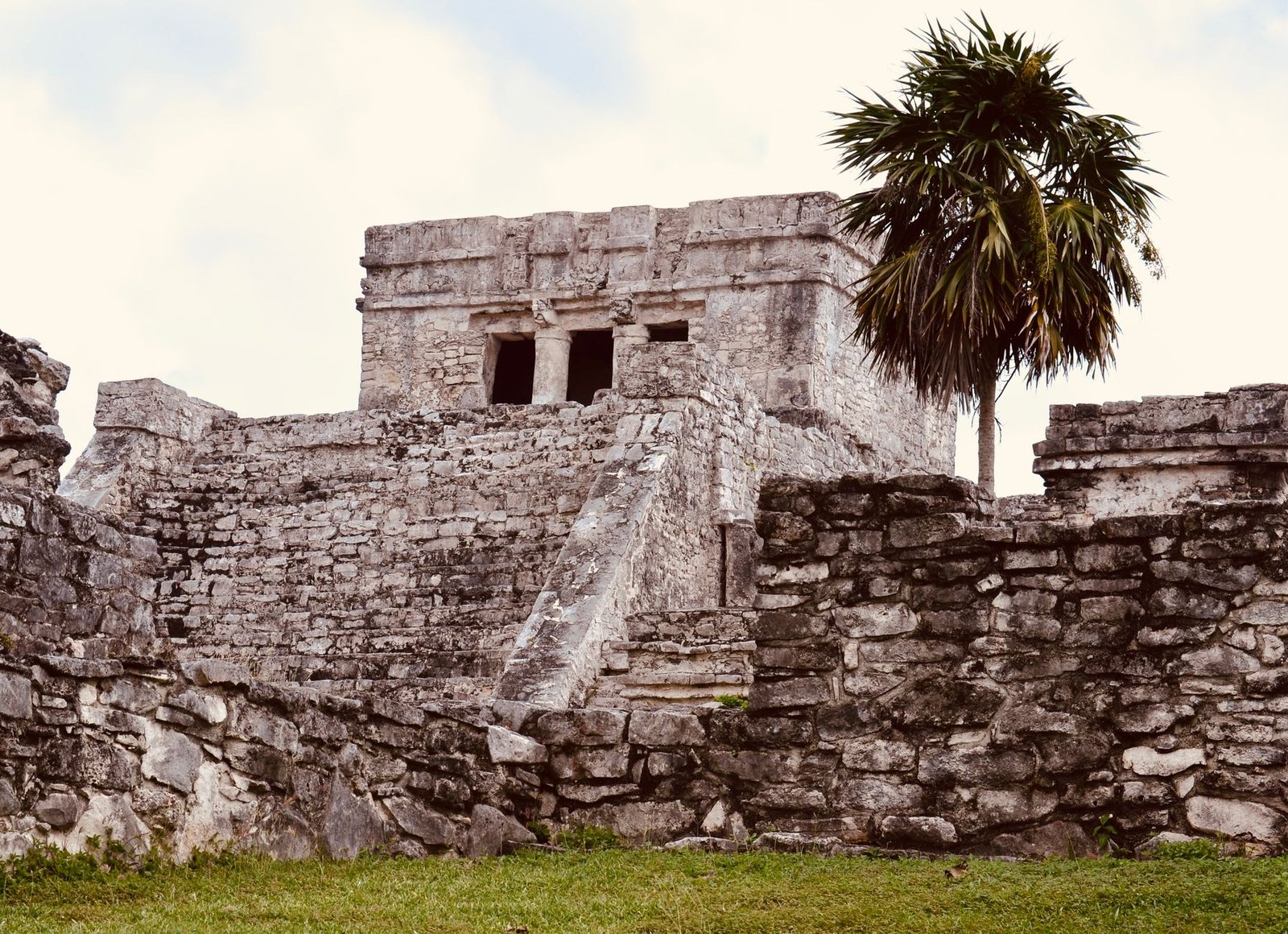
For those who dream of ancient history with a side of turquoise waters, Tulum is the answer. Perched dramatically on a cliff overlooking the Caribbean Sea, these Mayan ruins offer a truly unique and picturesque experience. Tulum was one of the last cities built and inhabited by the Maya, serving as a significant port and trading hub.
El Castillo and the Temple of the Frescoes
The most iconic structure, El Castillo, served as a lighthouse, guiding Mayan canoes through the reef. Its strategic position offers incredible views of the coastline. Nearby, the Temple of the Frescoes boasts intricate murals that provide a glimpse into Mayan cosmology and deities. After exploring the ruins, visitors can descend to the pristine beach below for a refreshing swim, making Tulum an unforgettable blend of culture and relaxation.
Teotihuacan: City of the Gods, Pre-Mayan Marvel
Just an hour’s drive northeast of Mexico City lies Teotihuacan, a colossal pre-Hispanic city whose origins predate the Maya. Flourishing between 100 BC and 650 AD, Teotihuacan was one of the largest cities in the ancient world, influencing Mesoamerican cultures for centuries. Its name, meaning “the place where the gods were created,” hints at its profound spiritual significance.
Pyramid of the Sun and Pyramid of the Moon
The sheer scale of Teotihuacan is breathtaking. The Pyramid of the Sun, one of the largest pyramids in the world, dominates the landscape. Climbing its steps offers a challenging but rewarding experience, culminating in panoramic views of the entire archaeological zone. At the northern end of the Avenue of the Dead, the Pyramid of the Moon stands equally majestic, flanked by residential complexes and temples dedicated to various deities, including the feathered serpent Quetzalcoatl.
Beyond the Big Names: Lesser-Known Gems
While the sites above are essential, Mexico offers a treasure trove of other incredible ancient ruins waiting to be explored:
- Uxmal: A masterpiece of Puuc architecture in the Yucatán, known for its Pyramid of the Magician and Governor’s Palace.
- Coba: Home to the tallest pyramid in the Yucatán (Nohoch Mul), which you can still climb, offering stunning jungle views. Rent a bike or hire a “Mayan taxi” (tricycle) to navigate its vast network of sacbes (ancient roads).
- Ek Balam: A beautifully preserved Mayan city with unique stucco sculptures and a tomb featuring a monster-mouth entrance.
- Monte Alban: Near Oaxaca City, this Zapotec capital offers impressive pyramids, temples, and a ball court atop a flattened mountain.
Practical Tips for Your Ancient Adventure
Best Time to Visit
The dry season, from November to April, generally offers the most pleasant weather with less humidity and rain
🗓️ Updated Travel Tips & Information (2026)
Advance Booking & Timed Entry for 2026
As popular ruin sites manage visitor flow and preservation efforts, many are shifting towards mandatory advance online ticket purchases and timed entry slots. For your 2026 trip, always check official INAH (Instituto Nacional de Antropología e Historia) websites weeks or even months ahead, especially for peak travel seasons, to secure your visit and potentially avoid higher on-site prices.
Embrace Sustainable Exploration
Future-proof your visit by adhering to sustainable tourism practices. Always stick to marked paths, do not touch ancient structures, and carry out all trash. Supporting local, certified guides and purchasing from small, ethical vendors directly benefits the communities surrounding these historical treasures.
Beyond the Big Names: Discover Hidden Gems
While iconic sites are breathtaking, consider dedicating time to lesser-known ruins for a more intimate and often less crowded experience. Explore sites like Calakmul in Campeche for its remote jungle setting and incredible wildlife, or Ek Balam near Valladolid for its unique stucco carvings and climbable structures, offering a deeper dive into Mexico’s archaeological richness
Last updated: August 9, 2026