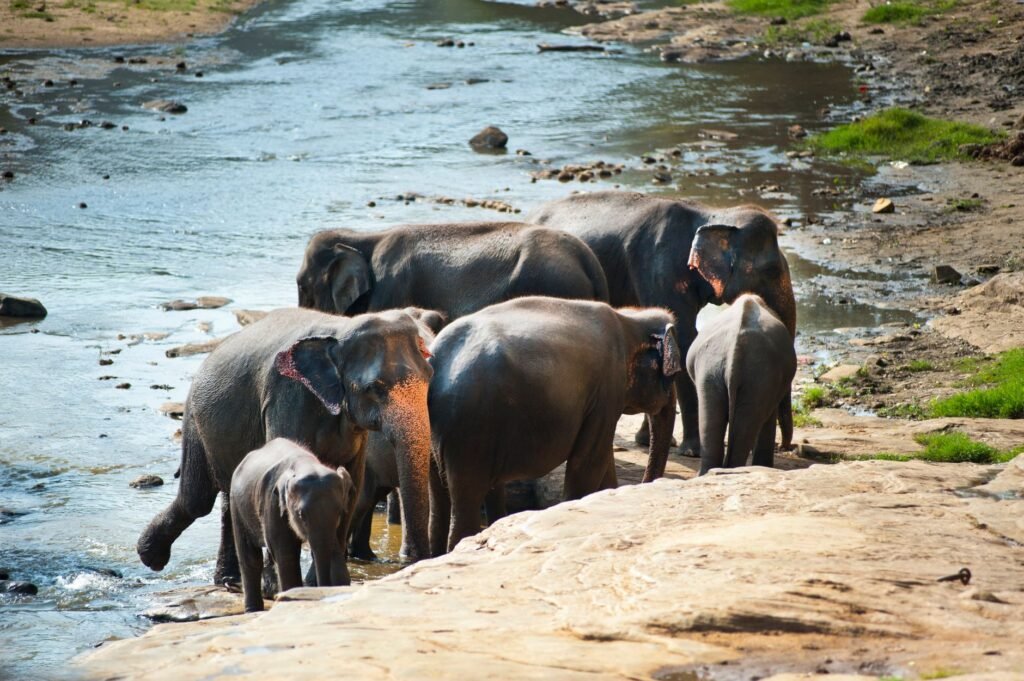
Sri Lanka, the Pearl of the Indian Ocean, might be renowned for its pristine beaches and ancient temples, but beneath its verdant canopy and across its sprawling plains lies a wild heart beating with incredible biodiversity. This island nation is a wildlife enthusiast’s dream, home to a remarkable array of species, from majestic elephants and elusive leopards to vibrant endemic birds and fascinating reptiles. If you’re yearning for an unforgettable encounter with nature, Sri Lanka’s national parks and wildlife sanctuaries offer some of the best safari experiences in Asia. Prepare to be captivated as we guide you through the best wildlife sanctuaries in Sri Lanka, promising adventures that will stay with you long after you’ve left its shores.
Discovering Sri Lanka’s Wild Side: Top Sanctuaries
Yala National Park: The Leopard Kingdom
Undoubtedly the most famous of Sri Lanka’s national parks, Yala National Park is synonymous with leopards. Boasting one of the highest leopard densities in the world, a safari here offers an excellent chance to spot these magnificent big cats in their natural habitat. Beyond its star attraction, Yala is also home to a thriving population of Sri Lankan elephants, sloth bears, crocodiles, deer, wild buffalo, and a spectacular array of birdlife, including migratory species. The park’s diverse landscape, featuring scrub jungle, open plains, lagoons, and rocky outcrops, makes every game drive an adventure. Divided into five blocks, only two are currently open to the public, with Block 1 being the most popular for leopard sightings.
- Wildlife Highlights: Sri Lankan Leopard, Sri Lankan Elephant, Sloth Bear, Mugger Crocodile, Spotted Deer, numerous bird species.
- Best Time to Visit: February to June/July (dry season offers better visibility as animals congregate around water sources).
Udawalawe National Park: Elephant Paradise
If your heart beats for elephants, Udawalawe National Park is an absolute must-visit. Often compared to an African savanna, this park is renowned for its large herds of Sri Lankan elephants, making sightings almost guaranteed. The Udawalawe Reservoir, a central feature of the park, provides a constant water source, attracting not only elephants but also a rich variety of birdlife, including eagles, pelicans, and storks. Beyond elephants, you might spot water buffalo, sambar deer, jackals, and even the occasional leopard or sloth bear, though they are much rarer here than in Yala. The Udawalawe Elephant Transit Home, located nearby, is a heartwarming facility that rehabilitates orphaned elephant calves, offering a chance to see them fed before their release back into the wild.
- Wildlife Highlights: Sri Lankan Elephant, Water Buffalo, Sambar Deer, various raptors and water birds.
- Best Time to Visit: Year-round, but August to January offers particularly good elephant viewing.
Wilpattu National Park: The Land of Lakes
For those seeking a less crowded, more intimate safari experience, Wilpattu National Park is an excellent choice. Sri Lanka’s largest and oldest national park, Wilpattu is characterized by its unique “villus” – natural, sand-rimmed water basins or lakes that dot the landscape, providing vital water for its diverse wildlife. Like Yala, Wilpattu is a prime location for spotting leopards and sloth bears, often considered easier to spot here due to fewer jeeps. The park also boasts a significant elephant population, deer, crocodiles, and an incredible array of resident and migratory birds. Its dense forest cover and serene atmosphere offer a truly immersive wildlife experience.
- Wildlife Highlights: Sri Lankan Leopard, Sloth Bear, Sri Lankan Elephant, Spotted Deer, various waterfowl.
- Best Time to Visit: February to October (dry season).
Horton Plains National Park: A Cloud Forest Wonderland
A dramatic contrast to the lowland jungles, Horton Plains National Park in the central highlands offers a unique ecological experience. This UNESCO World Heritage Site is a vast plateau of montane grasslands and cloud forests, home to a distinct set of flora and fauna. While big game sightings are rare, it’s famous for its endemic Sri Lankan sambar deer, giant squirrels, and a plethora of endemic birds, including the Sri Lanka whistling thrush and Sri Lanka bush warbler. The park’s main attractions are its breathtaking natural features: World’s End, a sheer cliff with a dramatic 880-meter drop, and Baker’s Falls, a beautiful cascading waterfall. It’s a hiker’s paradise, offering well-maintained trails and stunning panoramic views.
- Wildlife Highlights: Sri Lankan Sambar Deer, endemic birds, Purple-faced Langur.
- Best Time to Visit: January to March (drier months for hiking and clear views).
Kumana National Park: A Birdwatcher’s Paradise
Located on the southeastern coast, adjacent to Yala National Park’s Block 2, Kumana National Park is celebrated for its abundant birdlife. The Kumana Villu, a natural swamp lake fed by the Kumbukkan Oya, is the park’s most significant feature, attracting thousands of migratory birds between April and July. Birdwatchers can spot pelicans, painted storks, spoonbills, various species of herons, egrets, and many more. While primarily known for its avian residents, Kumana also supports populations of elephants, leopards, and crocodiles, offering a more tranquil and less-trafficked safari experience compared to its famous neighbor.
- Wildlife Highlights: Numerous migratory and resident bird species, Mugger Crocodile, Sri Lankan Elephant.
- Best Time to Visit: April to July (peak migratory bird season).
Bundala National Park: Ramsar Wetland of International Importance
Another gem for bird enthusiasts, Bundala National Park is Sri Lanka’s first Ramsar wetland, recognized for its international importance for migratory waterfowl. Situated on the southern coast, this park is a mosaic of lagoons, inter-tidal mudflats, and dunes, creating a perfect habitat for over 197 species of birds, including significant numbers of greater flamingos. Beyond the avian spectacle, Bundala is home to elephants, various species of monkeys, crocodiles, and four of Sri Lanka’s five species of marine turtles that come ashore to lay eggs. It offers a unique blend of coastal and wetland ecosystems.
- Wildlife Highlights: Greater Flamingo, numerous migratory waterfowl, Sri Lankan Elephant, Estuarine Crocodile.
- Best