Morocco. The very name conjures images of vibrant souks, ancient medinas, vast deserts, and the intoxicating scent of spices. For many first-time travelers, it’s a dream destination – a gateway to North Africa that promises an adventure unlike any other. But for beginners, embarking on a journey to a country so rich in culture, history, and unique experiences can feel a little daunting. Fear not, intrepid explorer! This comprehensive guide is designed to demystify Morocco, equipping you with all the insights and practical tips you need to confidently plan and savor your unforgettable inaugural trip.
Why Morocco for Your First Big Adventure?
Morocco is an extraordinary blend of African, Arab, and Berber cultures, offering a sensory feast that captivates from the moment you arrive. It’s a country where ancient traditions coexist with modern life, where bustling cities give way to serene landscapes, and where every corner holds a story. From the labyrinthine alleys of Fes to the majestic dunes of the Sahara, Morocco offers a diverse range of experiences that are both accessible and profoundly enriching for first-time international travelers. It’s safe, relatively affordable, and its people are known for their warm hospitality, making it an ideal choice for those seeking an exotic yet manageable adventure.
Best Time to Visit Morocco
Timing your trip can significantly impact your experience. Morocco experiences distinct seasons, and knowing what to expect will help you plan your itinerary.
- Spring (March to May): Widely considered the best time to visit. Temperatures are pleasantly warm, flowers are in bloom, and the landscapes are lush. Ideal for exploring cities, hiking, and desert excursions.
- Autumn (September to November): Another excellent period. The intense summer heat has subsided, making conditions comfortable for sightseeing. The light is beautiful, especially in the desert.
- Summer (June to August): Can be extremely hot, especially in inland cities like Marrakech and Fes, and the Sahara Desert. Coastal areas like Essaouira and Tangier offer some relief. If you visit in summer, focus on coastal towns or high-altitude regions.
- Winter (December to February): Generally mild in the south, but can be cold and rainy in the north and mountainous regions (Atlas Mountains often see snow). It’s a quieter time for tourism, and desert nights can be chilly.
Essential Pre-Trip Planning
Visa & Entry Requirements
Most visitors from the US, Canada, UK, EU, and Australia do not require a visa for stays up to 90 days. Always check the latest visa requirements for your nationality well in advance of your trip, as policies can change.
What to Pack
Packing smart is key for Morocco’s varied climates and cultural norms.
- Modest Clothing: Respect local customs by packing lightweight, loose-fitting clothing that covers your shoulders and knees. This applies to both men and women.
- Layers: Days can be warm, but evenings, especially in the desert or mountains, can get cool.
- Comfortable Walking Shoes: You’ll be doing a lot of walking, especially in medinas with uneven surfaces.
- Sun Protection: Hat, sunglasses, and high-SPF sunscreen are essential.
- Scarf: Versatile for sun protection, warmth, or covering your head when entering religious sites (for women).
- Basic First-Aid Kit: Include remedies for an upset stomach, pain relievers, and any personal medications.
Currency & Budgeting
The local currency is the Moroccan Dirham (MAD). It’s a closed currency, meaning you can only obtain it within Morocco. ATMs are widely available in cities, and credit cards are accepted in larger hotels and restaurants. For budgeting:
- Accommodation: A wide range from budget hostels (200 MAD/night) to luxury riads (1000+ MAD/night).
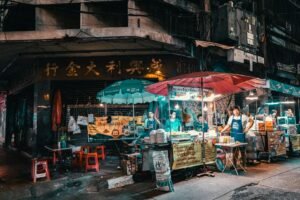
- Food: Street food is incredibly affordable (20-50 MAD for a meal), while restaurant meals can range from 80-200 MAD.
- Transportation: Generally inexpensive, especially local buses and grand taxis.
- Daily Budget: A comfortable mid-range budget would be around 500-800 MAD (approx. $50-80 USD) per person per day, excluding major tours.
Health & Safety
Morocco is generally safe for tourists. Practice common sense, just as you would in any unfamiliar destination.
- Hydration: Drink plenty of bottled water to avoid dehydration.
- Food Safety: Be cautious with street food, especially salads or unpeeled fruits. Stick to busy stalls with high turnover.
- Petty Theft: Be aware of pickpockets in crowded areas like souks. Keep valuables secure.
- Scams: Be polite but firm with persistent touts or unofficial guides. Know that “helpful” strangers often expect payment.
- Vaccinations: Consult your doctor about recommended vaccinations (e.g., Hepatitis A, Typhoid) before your trip.
Getting Around Morocco
Major Airports & Arrivals
The main international airports are Mohammed V International Airport (CMN) in Casablanca and Marrakech Menara Airport (RAK). From these, you can easily connect to other parts of the country.
Transportation within Morocco
- Trains (ONCF): Efficient, comfortable, and affordable for inter-city travel, connecting major cities like Casablanca, Rabat, Fes, and Marrakech.
- Buses (CTM & Supratours): Reliable and extensive network, reaching towns not served by trains. Book in advance, especially for popular routes.
- Grand Taxis: Shared long-distance taxis that operate on fixed routes. A good option for shorter inter-city trips or reaching smaller towns. You can also hire
🗓️ Updated Travel Tips & Information (2026)
Stay Connected with an eSIM
For seamless internet access throughout your Moroccan adventure, consider activating an eSIM before you depart. This modern solution allows you to switch between local data plans without needing a physical SIM card, offering convenience and often better rates than international roaming for calls and data.
Cash, Card, and Emerging Digital Payments
While cash (Moroccan Dirham) remains king for souk purchases, street food, and smaller vendors, major hotels, restaurants, and larger shops increasingly accept credit cards. Keep an eye out for QR code payment options or local mobile payment apps in urban centers, a growing trend for quick, secure transactions. Always carry a mix of cash for daily expenses and a card for larger purchases.
Embrace Ethical & Sustainable Tourism
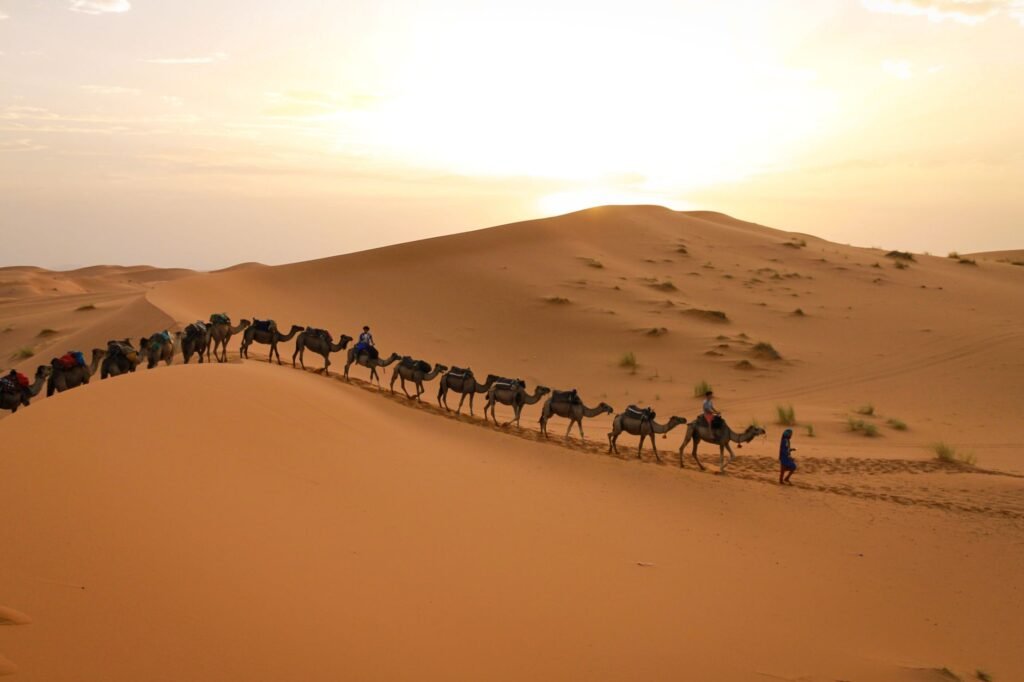
As Morocco’s popularity grows, conscious travel is key. Prioritize tour operators that employ local guides, support community-based projects, and practice responsible tourism, especially concerning animal welfare (e.g., choosing camel treks that treat animals ethically). Minimize your plastic footprint by carrying a reusable water bottle and supporting eco-friendly accommodations.
Pre-Book Popular Tours & Accommodations
To secure your preferred experiences and ensure availability, especially during peak seasons in 2026, it’s wise to pre-book popular desert tours, cooking classes, and highly-rated riads or boutique hotels. This not only guarantees your spot but can also lock in better prices and prevent last-minute stress in
Last updated: August 11, 2026