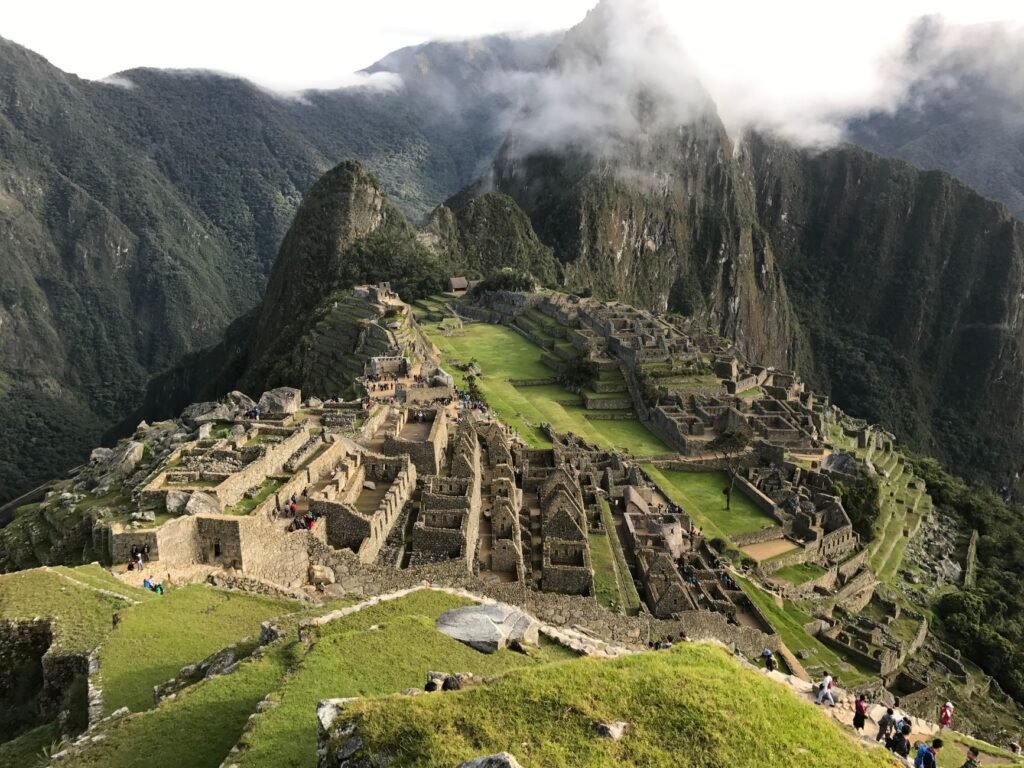
Imagine a mist-shrouded ancient city, perched precariously on a mountain ridge, its stone walls whispering tales of a lost empire. This is Machu Picchu, a UNESCO World Heritage site and one of the New Seven Wonders of the World, a place that transcends mere tourism and offers a profound journey into history, culture, and breathtaking natural beauty. For many, a visit to Machu Picchu is a lifelong dream, a pilgrimage to the heart of the Inca civilization. But how do you turn that dream into a reality? This comprehensive guide will walk you through every step of planning your unforgettable adventure, from the best time to visit to navigating the ancient citadel itself, ensuring your experience is as magical as the site itself.
Why Visit Machu Picchu? The Heart of the Inca Empire
Machu Picchu isn’t just a collection of ruins; it’s a testament to the ingenuity, astronomical knowledge, and spiritual depth of the Inca people. Built around 1450 AD and abandoned just over a century later, its purpose remains a subject of debate, though many believe it served as a royal estate or a sacred religious site. Its strategic location, intricate architecture, and harmonious integration with the surrounding landscape create an aura of mystery and wonder. Visiting Machu Picchu offers a unique opportunity to connect with a powerful ancient civilization, marvel at an engineering feat, and immerse yourself in the stunning Andean scenery. It’s an experience that truly touches the soul.
Planning Your Machu Picchu Adventure
A successful trip to Machu Picchu requires careful planning. Here’s what you need to know to ensure a smooth and memorable journey.
Best Time to Visit
- Dry Season (May to October): This is generally considered the best time to visit, with sunny skies, less rain, and clearer mountain views. However, it’s also peak tourist season, meaning larger crowds and higher prices for flights, accommodations, and permits.
- Shoulder Seasons (April & November): These months offer a good balance. You’ll find fewer crowds, potentially lower prices, and still a good chance of pleasant weather. April sees the end of the rainy season, while November marks its beginning.
- Wet Season (December to March): Characterized by more frequent rain, especially in January and February. While the landscape is lush and green, clouds can obscure views, and trails can be muddy. The Inca Trail typically closes for maintenance in February. If you don’t mind rain and want fewer crowds, this can be an option, but be prepared for all weather conditions.
Getting There: Your Gateway to the Incas
Your journey to Machu Picchu typically begins in Cusco, the former capital of the Inca Empire. From there, you’ll travel through the Sacred Valley to Aguas Calientes (Machu Picchu Pueblo), the town at the base of the citadel.
- Fly to Cusco (CUZ): Most international travelers fly into Lima (LIM) and then take a domestic flight to Cusco. Book this flight in advance, especially during peak season.
- Cusco to Aguas Calientes: This leg of the journey is usually by train from Poroy (near Cusco) or Ollantaytambo (in the Sacred Valley). The train ride is incredibly scenic, winding through the Urubamba River valley.
- Aguas Calientes to Machu Picchu Entrance: From Aguas Calientes, you can either take a 25-minute bus ride up a winding road to the entrance or hike for about 1.5-2 hours (a challenging uphill climb).
Permits and Tickets: Book Ahead!
Machu Picchu has strict daily visitor limits to preserve the site. You absolutely must book your entrance tickets well in advance, especially if you plan to hike Huayna Picchu or Machu Picchu Mountain.
- Machu Picchu Entrance Ticket: Purchase this through the official Peruvian Ministry of Culture website or a reputable tour operator. Choose your circuit (there are now four designated circuits to help manage crowd flow).
- Huayna Picchu or Machu Picchu Mountain Tickets: These are separate add-on tickets with very limited availability (200-400 people per day, depending on the mountain and entry time). If you want to hike either of these, book 3-6 months in advance.
- Inca Trail Permits: If you’re doing the Classic Inca Trail, permits sell out almost a year in advance. They are only available through licensed tour operators.
Accommodation Options
- Cusco: A vibrant city with a wide range of hotels, hostels, and guesthouses. It’s recommended to spend a few days here to acclimatize and explore its