Imagine a journey through lands steeped in legend, where ancient caravans once traversed vast deserts and soaring mountains, exchanging not just silks and spices, but also ideas, religions, and cultures. This is the enduring allure of the Silk Road, an intricate network of trade routes that for centuries connected the East and West. More than just a historical relic, the Silk Road today offers an unparalleled adventure for modern travelers seeking to uncover the echoes of empires, marvel at breathtaking architecture, and immerse themselves in vibrant traditions that have stood the test of time. If you’re yearning for an expedition that combines history, culture, and pure wanderlust, exploring the Silk Road is an experience unlike any other.
What is the Silk Road? A Tapestry of History and Trade
The Silk Road wasn’t a single paved highway but rather a sprawling web of land and sea routes that flourished from around 200 BC to the 14th century AD. Its name, coined in the 19th century, refers to the lucrative trade of Chinese silk, but countless other goods—spices, precious stones, pottery, horses, and even paper—journeyed along its paths. Far beyond commerce, the Silk Road facilitated the spread of Buddhism, Islam, Christianity, and scientific advancements, shaping the civilizations of Asia, the Middle East, and Europe. Today, remnants of its grandeur can be found in bustling bazaars, magnificent mosques, ancient caravanserai, and the warm hospitality of its people.
Key Destinations Along the Ancient Routes
Embarking on a Silk Road adventure means choosing your path through a vast tapestry of countries. While traversing the entire length is an epic undertaking, focusing on specific regions allows for deep immersion into its diverse heritage.
China: The Eastern Gateway
- Xi’an: The historic eastern starting point of the Silk Road, Xi’an is famed for its awe-inspiring Terracotta Army. Don’t miss cycling the ancient city walls or exploring the vibrant Muslim Quarter, a testament to the Silk Road’s cultural exchange.
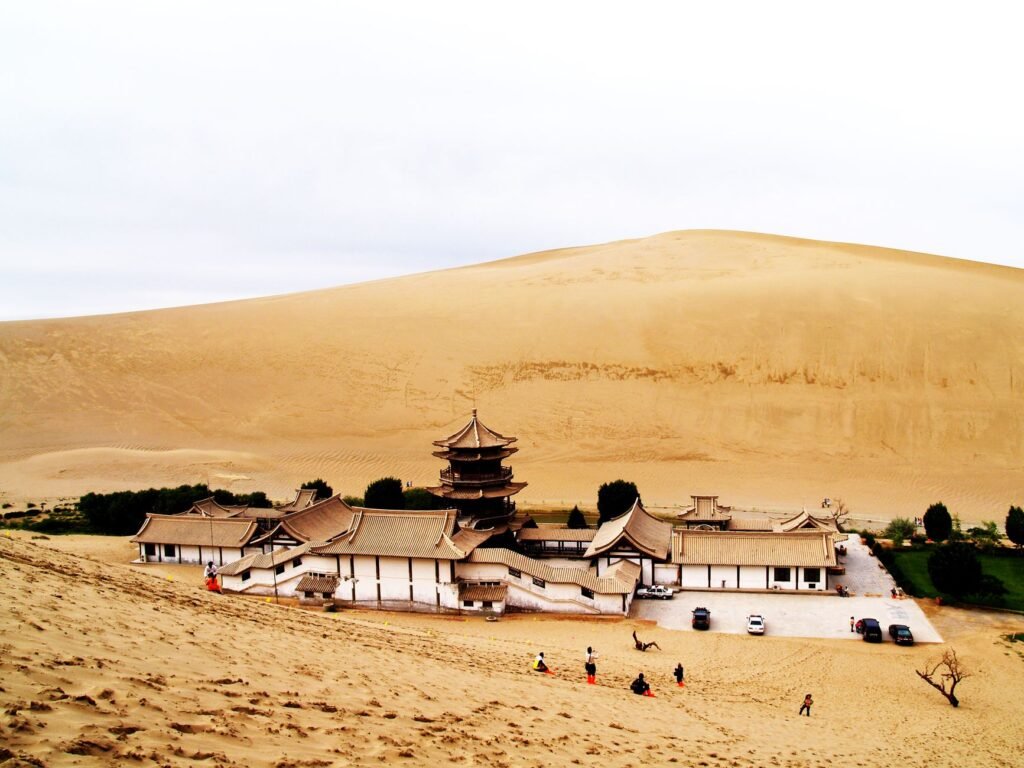
- Dunhuang: Nestled on the edge of the Gobi Desert, Dunhuang was a crucial oasis town. Here, you’ll find the Mogao Grottoes, a UNESCO World Heritage site housing thousands of Buddhist cave paintings and sculptures, offering a profound glimpse into ancient art and faith.
- Kashgar: In China’s far west, Kashgar is a melting pot of Uyghur culture, closer in spirit to Central Asia. Its Sunday livestock market and bustling Grand Bazaar feel like a journey back in time.
Central Asia: The Heart of the Silk Road
Often considered the quintessential Silk Road experience, the ‘Stans’ (Uzbekistan, Kyrgyzstan, Tajikistan, Turkmenistan, Kazakhstan) offer jaw-dropping architecture and genuine hospitality.
- Uzbekistan (Samarkand, Bukhara, Khiva): These three cities are jewels of Islamic architecture. Samarkand’s Registan Square, Bukhara’s Poi Kalyan Complex, and the walled city of Khiva are UNESCO sites that transport you to a golden age of scholars and traders. The intricate tilework, towering minarets, and bustling courtyards are simply mesmerizing.
- Kyrgyzstan: For those seeking adventure amidst stunning natural landscapes, Kyrgyzstan offers nomadic culture, pristine alpine lakes like Issyk-Kul, and opportunities for horse trekking. Explore ancient caravanserai ruins like Tash Rabat, offering a stark contrast to Uzbekistan’s urban splendor.
Turkey: The Western Crossroads
- Istanbul: While far west, Istanbul (Constantinople) was a vital terminus for many Silk Road goods, connecting land routes to maritime trade. Its strategic location on the Bosphorus, its Grand Bazaar, and historical sites like the Hagia Sophia and Blue Mosque showcase centuries of cultural synthesis.
Planning Your Silk Road Adventure
A journey of this magnitude requires thoughtful preparation. Here are some practical tips to help you plan your unforgettable expedition.
Best Time to Visit
The shoulder seasons are ideal:
- Spring (April to May): Pleasant temperatures, blooming landscapes, and before the intense summer heat, especially in Central Asia and China.
- Autumn (September to October): Mild weather, harvest festivals, and vibrant fall foliage, making it another excellent time to travel.
Avoid summer (June-August) when temperatures can soar above 40°C (104°F) in many regions, and winter (November-March) which brings freezing temperatures and heavy snow, potentially closing mountain passes.
Visas and Logistics
Visa requirements vary significantly by country and your nationality. Research well in advance. Uzbekistan and Kazakhstan, for example, have become much easier to visit with e-visa or visa-free options for many nationalities, simplifying travel to Central Asia. Always check the latest requirements from official embassy websites.
Getting Around
- Trains: An excellent way to cover long distances, especially in China and Uzbekistan, offering comfort and a chance to meet locals.
- Buses & Shared Taxis: More budget-friendly for shorter hops between cities. Be prepared for varying levels of comfort.
- Domestic Flights: Useful for traversing vast distances quickly, especially within China or between Central Asian capitals.
- Private Drivers: Can be arranged for convenience, especially for reaching remote sites or for groups. Negotiate prices beforehand.
Accommodation
<