Embark on a journey back in time, where chrome glistens, neon signs hum, and the spirit of American adventure lives on. Route 66, affectionately known as the “Mother Road,” isn’t just a highway; it’s a legendary ribbon of asphalt stretching across eight states, inviting travelers to discover the heart and soul of a bygone era. Forget the fast lane and prepare to slow down, embrace the unexpected, and create memories that will last a lifetime. This isn’t just a road trip; it’s an immersive experience into the quirky, charming, and utterly unforgettable tapestry of America.
The Enduring Legacy of Route 66
Established in 1926, U.S. Route 66 quickly became a vital artery, connecting Chicago to Santa Monica, California. It symbolized freedom, opportunity, and the open road, serving as a migration path for those seeking a new life, a crucial link for truckers, and a vacation route for families exploring the burgeoning American landscape. Though officially decommissioned in 1985, its legacy lives on through various “Historic Route 66” designations, preserved segments, and the tireless efforts of communities committed to keeping its spirit alive. Today, driving Route 66 is a pilgrimage for history buffs, vintage enthusiasts, and anyone yearning for an authentic taste of Americana.
Planning Your Epic Journey
A successful Route 66 road trip requires a bit of planning, but remember, part of the charm is the spontaneity. Here’s what you need to consider:
Best Time to Travel
- Spring (April-May) and Fall (September-October): These are generally the ideal times. The weather is pleasant across most states, avoiding the intense summer heat of the Southwest and the colder winter conditions of the Midwest. Expect comfortable driving temperatures and fewer crowds.
- Summer (June-August): While popular for family vacations, be prepared for very hot temperatures, especially in states like Arizona, New Mexico, and California’s desert regions. Book accommodations well in advance.
- Winter (November-March): Some sections, particularly in the Midwest, can experience snow and ice, making driving challenging. Many seasonal attractions may also be closed.
How Long Does It Take?
Driving the entire 2,400-mile stretch of Route 66 typically takes 2-3 weeks to truly experience it without feeling rushed. While you could technically drive it faster, you’d miss out on the countless roadside attractions, museums, and local eateries that make the journey so special. Allow ample time for detours and unexpected discoveries.
Vehicle Choice
A reliable car is key. While a classic car adds to the nostalgia, a modern, comfortable vehicle with good air conditioning is often more practical. Many travelers also enjoy the journey on motorcycles or in RVs, offering different perspectives on the open road.
Navigation & Maps
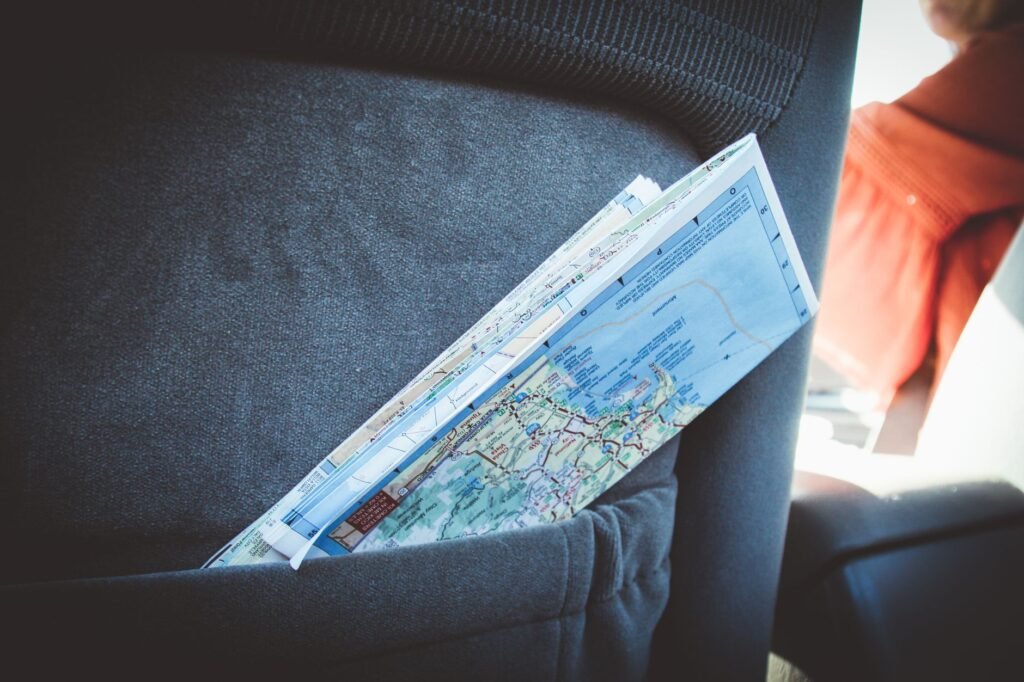
Don’t rely solely on GPS, as it often directs you to modern interstates, bypassing the historic route. Invest in a good Route 66 guide book and map (like the EZ66 Guide) that highlights the original alignments. Offline maps on your phone are also useful, as cell service can be spotty in rural areas.
Accommodation
Embrace the classic Route 66 experience by staying in historic motels. Many have been lovingly restored and offer a unique glimpse into the past. Book ahead, especially during peak season, but also be open to spontaneous finds. Look for neon signs and “Vacancy” lights!
Must-See Stops Along the Mother Road
From bustling cities to ghost towns, Route 66 is packed with iconic sights. Here’s a taste of what awaits:
Illinois: The Start of the Adventure
- Chicago: Begin your journey at the official starting point sign on Adams Street. Explore the city’s vibrant culture before hitting the road.
- Joliet: Home to the Joliet Correctional Center (famous from “The Blues Brothers”) and the Rialto Square Theatre.
- Wilmington: Snap a photo with the iconic Gemini Giant, one of Route 66’s famous “Muffler Men.”
- Springfield: Visit Abraham Lincoln’s Presidential Library and Museum, and his home and tomb.
Missouri: Caves and Classic Diners
- St. Louis: Marvel at the Gateway Arch, explore Forest Park, and enjoy some St. Louis-style BBQ.
- Meramec Caverns: A vast cave system, once a hideout for Jesse James, offering fascinating tours.
- Cuba: Known as “Mural City” for its numerous historical murals.
- Springfield: Often called the “Birthplace of Route 66,” with several classic diners.
Kansas & Oklahoma: Small-Town Charm
- Galena, KS: A short but sweet stretch through Kansas, featuring “Tow Mater” from the movie “Cars” at Cars on the Route.
- Catoosa, OK: Don