Sri Lanka, often called the “Pearl of the Indian Ocean,” is a land of captivating beauty, rich history, and incredibly diverse ecosystems. Beyond its pristine beaches and ancient temples, this tropical island nation boasts an astonishing array of wildlife, making it a dream destination for nature enthusiasts and adventure seekers alike. From elusive leopards to majestic elephants, vibrant birdlife to unique endemic species, Sri Lanka’s national parks and wildlife sanctuaries offer unparalleled opportunities to witness nature in its rawest, most magnificent form.
Imagine tracking a leopard through dense jungle, watching herds of elephants gather at a watering hole, or spotting a rare bird amidst the misty rainforest. Sri Lanka delivers all this and more. This article will guide you through the best wildlife sanctuaries in Sri Lanka, offering insights into what makes each one special, when to visit, and how to make the most of your unforgettable safari adventure.
Why Sri Lanka is a Wildlife Paradise
Despite its relatively small size, Sri Lanka is a biodiversity hotspot. Its varied landscapes, ranging from arid plains to tropical rainforests and misty mountains, create a multitude of habitats for a vast spectrum of flora and fauna. The island is home to 26 national parks and over 500 protected areas, safeguarding its precious natural heritage. With a high rate of endemism, particularly among its reptiles, amphibians, and insects, Sri Lanka offers a unique wildlife experience found nowhere else on Earth.
Top Wildlife Sanctuaries in Sri Lanka
Yala National Park: The Leopard Kingdom
Undoubtedly Sri Lanka’s most famous national park, Yala is renowned for having one of the highest leopard densities in the world. Located in the southeastern part of the island, Yala offers a thrilling safari experience where sightings of these magnificent big cats are frequent. Beyond leopards, you can expect to encounter large herds of elephants, sloth bears, sambar deer, crocodiles, wild buffalo, and a spectacular array of birdlife, including peacocks and painted storks.
- Best Time to Visit: February to July (dry season) offers the best chances for wildlife sightings as animals congregate around water sources.
- Practical Tips: Book your safari jeep and guide in advance, especially during peak season. Morning (5:30 AM – 9:30 AM) and afternoon (2:30 PM – 6:30 PM) safaris are ideal. Be patient and respectful of the animals.
Wilpattu National Park: Wilderness and Serenity
As Sri Lanka’s largest and oldest national park, Wilpattu offers a more serene and less crowded safari experience compared to Yala. Located in the northwest, it’s characterized by its unique “willus” (natural lakes or sand-rimmed water basins) which attract a diverse range of animals. Wilpattu is another excellent spot for leopard sightings, often less disturbed than in other parks. You’ll also find elephants, sloth bears, deer species, crocodiles, and an abundance of resident and migratory birds.
- Best Time to Visit: March to October is generally the dry season, making wildlife spotting easier.
- Practical Tips: Due to its vastness, a full-day safari is recommended to explore more of the park. The park’s diverse habitats mean a keen eye is needed, and a good guide is invaluable.
Udawalawe National Park: The Elephant Haven
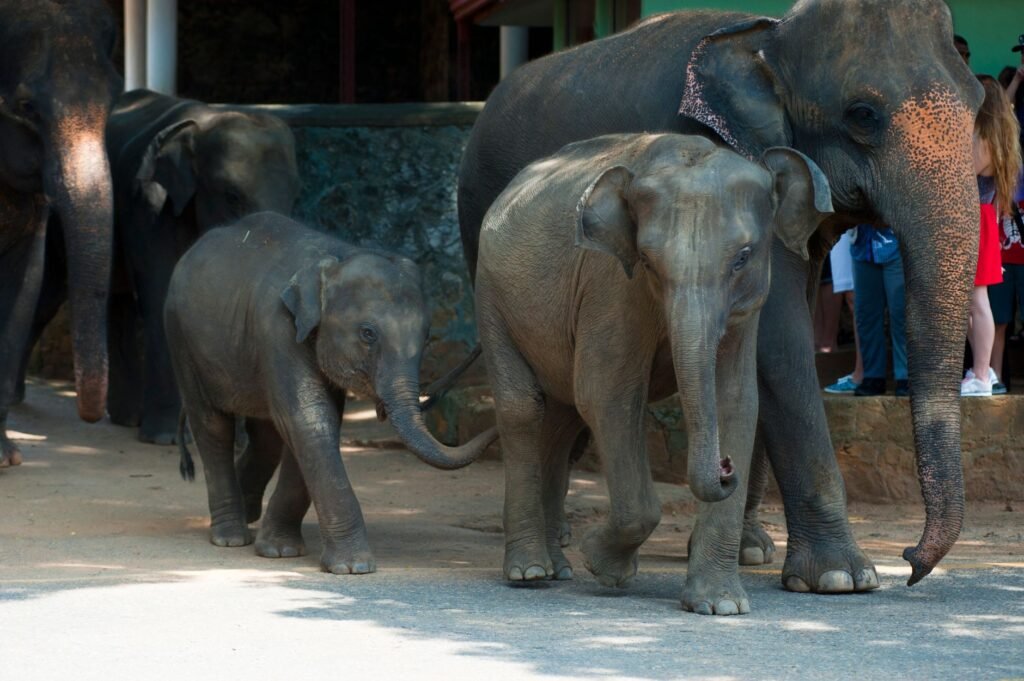
If your heart beats for elephants, Udawalawe National Park is an absolute must-visit. Located in the south-central region, it’s considered one of the best places in the world to see large herds of wild Asian elephants in their natural habitat. The park’s open grasslands and sparse vegetation make elephant sightings almost guaranteed. Udawalawe is also home to the Udawalawe Elephant Transit Home, a rehabilitation center for orphaned elephant calves, which you can visit to observe feeding times.
- Best Time to Visit: Year-round, but the dry season (May to September) offers particularly excellent viewing opportunities as elephants gather around the Udawalawe Reservoir.
- Practical Tips: Combine your safari with a visit to the Elephant Transit Home for a truly heartwarming experience. Morning safaris are often less crowded.
Bundala National Park: A Birdwatcher’s Paradise
Designated as a Ramsar Wetland and a UNESCO Biosphere Reserve, Bundala National Park, located on the southeastern coast, is a haven for migratory water birds. Over 197 bird species have been recorded here, including several migratory species that winter in the lagoons and estuaries. It’s an excellent spot for birdwatching, but you can also spot crocodiles, monitor lizards, turtles, and even elephants in certain areas.
- Best Time to Visit: November to March, when migratory birds arrive.
- Practical Tips: Bring binoculars and a good camera with a zoom lens. Consider a boat safari on the lagoons for unique perspectives of the birdlife.
Sinharaja Forest Reserve: The Rainforest Gem
A UNESCO World Heritage Site, Sinharaja Forest Reserve is Sri Lanka’s last viable area of primary tropical rainforest. This dense, misty jungle is a treasure trove of biodiversity, boasting an incredibly high level of endemism, particularly among its birds, mammals, and plants. It’s a fantastic destination for birdwatching, with mixed species feeding flocks being a highlight, and for spotting rare rainforest creatures like purple-faced langurs and giant squirrels. Unlike the savannah parks, Sinharaja offers a trekking and hiking experience rather than a jeep safari.
- Best Time to Visit: January to May and August to December, avoiding the heaviest monsoon periods.
- Practical Tips: Hire a local guide (mandatory) who can expertly point out camouflaged creatures and navigate the trails. Wear appropriate trekking gear and be prepared for leeches (stockings or repellent are helpful).