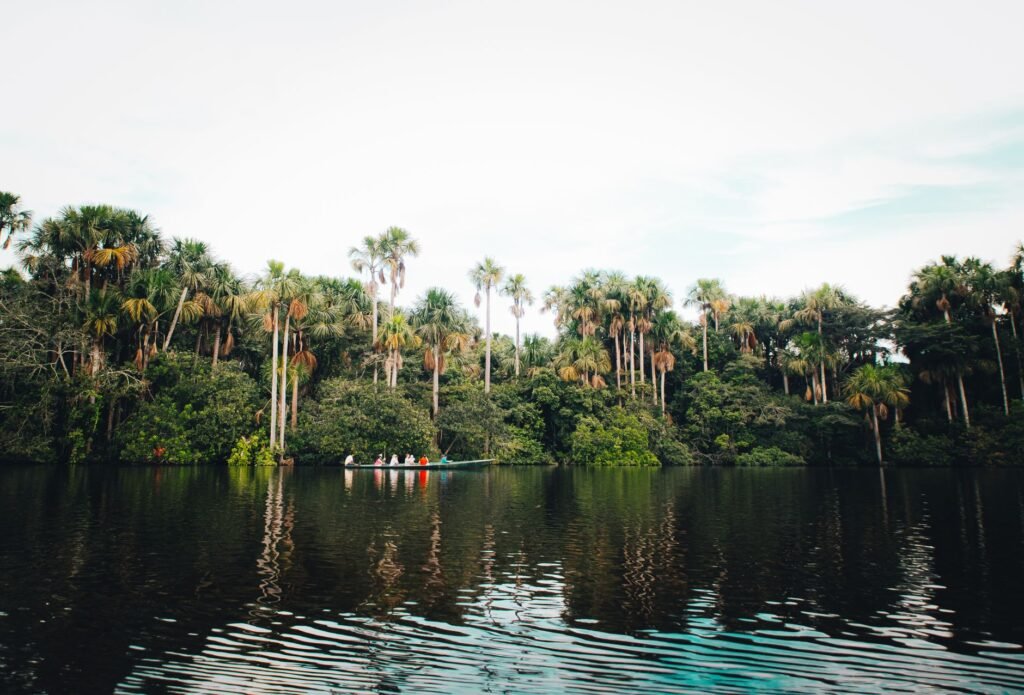
Imagine a world where the air hums with unseen life, where towering trees form a cathedral canopy, and every rustle in the undergrowth could reveal a creature you’ve only ever dreamed of. This isn’t a fantasy; it’s the Amazon Rainforest, a colossal, vibrant ecosystem stretching across nine South American countries. Often called the “lungs of the Earth,” the Amazon is more than just a destination; it’s an immersive journey into the heart of biodiversity, a profound encounter with nature at its most untamed and magnificent. If you’ve ever yearned for an adventure that transcends the ordinary, one that connects you deeply with the natural world and its incredible inhabitants, then exploring the Amazon Rainforest should be at the very top of your travel list. Prepare to be captivated, challenged, and utterly transformed by the sheer scale and beauty of this unparalleled natural wonder.
Why Explore the Amazon Rainforest?
The allure of the Amazon is multifaceted. It’s home to an astonishing 10% of the world’s known species, a mind-boggling array of plants, insects, birds, mammals, and aquatic life found nowhere else on Earth. Every moment here is a discovery, from spotting a camouflaged sloth hanging lazily from a branch to witnessing a vibrant macaw soar overhead. Beyond the unparalleled wildlife, the Amazon offers a chance to disconnect from the digital world and reconnect with something far more ancient and powerful. It’s an opportunity to learn about indigenous cultures that have coexisted with this environment for millennia, understanding their deep respect for the land and their traditional ways of life. This isn’t just a trip; it’s an education, an inspiration, and an unforgettable sensory feast.
Planning Your Amazon Adventure
Embarking on an Amazon expedition requires a bit of thoughtful planning to ensure you make the most of this extraordinary experience.
Best Time to Visit
The Amazon experiences two main seasons: the wet season and the dry season, each offering unique advantages.
- Wet Season (December to May): Characterized by higher water levels, this season allows boats and canoes to navigate deeper into the flooded forests, offering incredible access to areas usually inaccessible. Wildlife viewing might be slightly harder due to dense foliage, but birdwatching is often excellent, and you might spot animals from the comfort of your boat. Rain showers are frequent but often short.
- Dry Season (June to November): Lower water levels mean more exposed riverbanks, which can concentrate wildlife around remaining water sources, making sightings potentially easier. Hiking trails become more accessible. Temperatures are generally higher, and humidity can be intense. Consider your priorities: easier navigation and unique flooded forest experiences in the wet season, or more hiking and potentially concentrated wildlife in the dry season.
Choosing Your Gateway City
Several cities serve as popular entry points into the Amazon, each offering a distinct experience:
- Manaus, Brazil: The largest city in the Amazon, Manaus offers a vibrant urban experience with historical opera houses and bustling markets before you venture into the wilderness. It’s ideal for those seeking larger cruise ship options and access to the “Meeting of the Waters.”
- Iquitos, Peru: The largest city in the world unreachable by road, Iquitos has a unique, remote charm. It’s a fantastic base for eco-lodges and smaller riverboat cruises, particularly for those interested in the Pacaya Samiria National Reserve.
- Coca (Puerto Francisco de Orellana), Ecuador: A smaller, more intimate gateway, Coca provides access to some of the most biodiverse and well-preserved areas of the Ecuadorian Amazon, often with a strong focus on community tourism and smaller lodges.
- Rurrenabaque, Bolivia: For the truly adventurous, Rurrenabaque offers access to both the Amazon basin and the Pampas, known for abundant wildlife viewing, especially caimans, capybaras, and monkeys.
Selecting the Right Tour & Accommodation
Your choice of tour operator and accommodation will significantly shape your experience. Options range from rustic eco-lodges nestled deep in the jungle to luxurious river cruise ships.
- Eco-lodges: Often built with sustainable materials and run by local communities, these lodges offer an immersive experience with daily excursions led by expert local guides. They typically provide a more intimate connection with the environment.
- River Cruises: Ranging from comfortable to opulent, cruises allow you to cover more ground and experience different stretches of the river. They offer amenities like air-conditioned cabins, gourmet meals, and often have naturalists on board.
Always choose reputable operators with strong commitments to sustainable tourism and experienced, certified guides.
What to Expect: A Glimpse into the Amazon
Your days in the Amazon will be filled with wonder, adventure, and unforgettable encounters.
Wildlife Encounters
The Amazon is a living tapestry of life. Be prepared for:
- Monkeys: Howler, spider, capuchin, squirrel, and marmoset monkeys are common sights, often heard before they’re seen.
- Birds: A birder’s paradise, with colorful macaws, toucans, hummingbirds, hoatzins, and countless other species.
- Aquatic Life: Keep an eye out for pink river dolphins, giant river otters, caimans (alligators), and the infamous piranhas.
- Other Mammals: Sloths, tapirs, peccaries, and if you’re incredibly lucky, jaguars or ocelots.
- Insects: From mesmerizing butterflies to fascinating leaf-cutter ants and, yes, mosquitoes – they are an integral part of the ecosystem!
Immersive Activities
Your itinerary will likely include a mix of exciting activities:
- Jungle Treks: Guided walks through the dense forest, learning about medicinal plants, tracking animals, and understanding the ecosystem.
- Canoe & Skiff Rides: Exploring narrow waterways, flooded forests, and oxbow lakes, often providing the best wildlife viewing opportunities.
- Night Safaris: A thrilling experience to spot nocturnal creatures like caimans (their eyes glow in the flashlight beam!), night monkeys, and various insects.