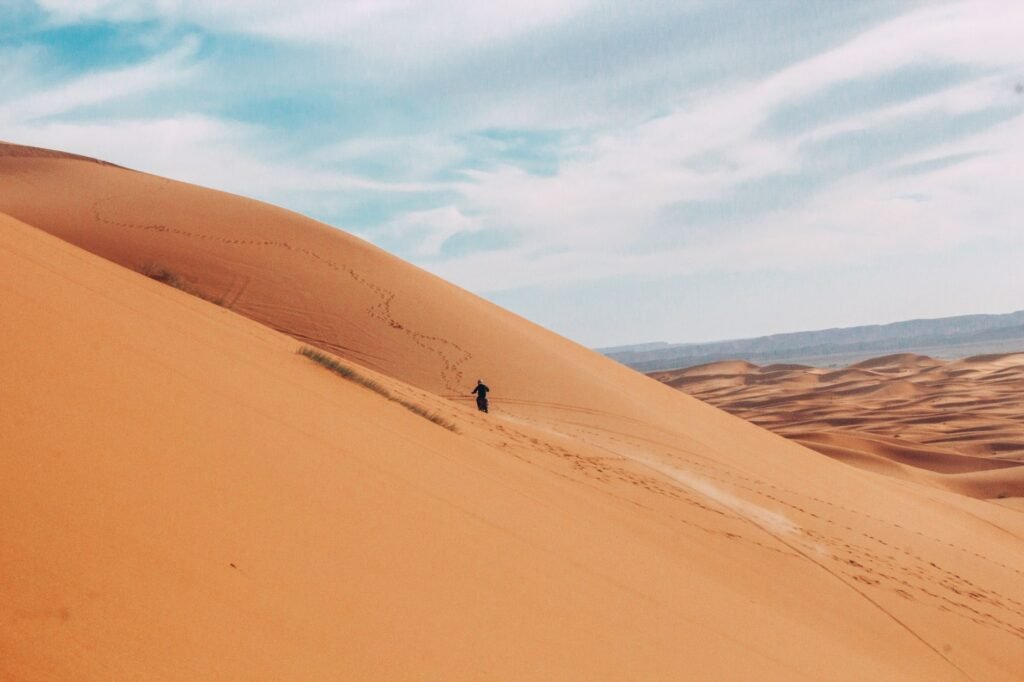
Imagine a canvas painted with endless golden dunes, where the silence is profound, and the night sky blazes with a million stars. This isn’t a dream; it’s the Sahara Desert, a place of unparalleled beauty and mystique that beckons adventurous souls from across the globe. As the largest hot desert in the world, the Sahara spans vast swathes of North Africa, offering an experience that is both humbling and exhilarating. Far from being a barren wasteland, it’s a vibrant ecosystem teeming with unique life, ancient cultures, and breathtaking landscapes. If you’ve ever dreamt of escaping the ordinary and immersing yourself in a world untouched by modern clamor, exploring the Sahara Desert should be at the very top of your travel bucket list.
Embarking on a Sahara adventure is more than just a trip; it’s a journey into the heart of an ancient world, a chance to connect with nature on a primal level, and an opportunity for profound self-discovery. From the rhythmic sway of a camel trek to the warmth of Berber hospitality, every moment spent in this majestic desert is imbued with magic. Get ready to uncover the secrets of the dunes, witness sunrises and sunsets that defy description, and create memories that will last a lifetime.
Why Explore the Sahara Desert?
The Sahara offers a unique blend of natural wonder, cultural richness, and serene solitude that few other destinations can match. It’s a place where time seems to slow down, allowing you to truly disconnect and reconnect with what matters.
A Landscape Like No Other
The sheer scale and diversity of the Sahara’s landscapes are awe-inspiring. While endless sand dunes (ergs) like Erg Chebbi and Erg Chigaga in Morocco are iconic, the desert also features rocky plateaus (hamadas), salt flats, oases bursting with life, and dramatic mountain ranges. Each vista offers a new perspective, a different texture, and an endless array of photographic opportunities. The way the light plays on the dunes throughout the day, shifting their colors from pale gold to fiery orange and deep red, is a spectacle in itself.
Stargazing Beyond Imagination
Far from city lights and pollution, the Sahara provides one of the clearest, most spectacular views of the night sky on Earth. Imagine lying on a blanket of sand, gazing up at a Milky Way so vivid it feels close enough to touch. Constellations you’ve only ever read about come alive, and shooting stars streak across the inky blackness with dazzling frequency. It’s an experience that evokes a sense of wonder and makes you feel infinitesimally small yet profoundly connected to the universe.
Cultural Immersion with Nomads
The Sahara is home to resilient and welcoming nomadic communities, particularly the Berbers, whose traditions and way of life have been shaped by the desert for centuries. A Sahara desert tour often includes opportunities to visit traditional Berber camps, share mint tea, listen to captivating stories and music around a campfire, and gain insights into their rich culture. This authentic interaction offers a humbling perspective on adaptability, hospitality, and living in harmony with nature.
Planning Your Sahara Adventure
To make the most of your Sahara exploration, a little planning goes a long way. Here’s what you need to consider:
Best Time to Visit
The Sahara experiences extreme temperatures, so timing your visit is crucial for comfort and enjoyment.
- Autumn (September to November): Arguably the best time. Days are warm and pleasant, and nights are cool but not freezing. The light is fantastic for photography.
- Spring (March to May): Another excellent window. Similar to autumn, with comfortable temperatures. Wildflowers can even bloom in some areas after winter rains.
- Winter (December to February): Days are mild and sunny, but nights can be very cold, often dropping below freezing. Be prepared with warm clothing and sleeping bags.
- Summer (June to August): Extremely hot, with daytime temperatures soaring above 45°C (113°F). Most tours are not recommended during this period due to the intense heat, though some brave souls opt for early morning or late evening excursions.
Choosing Your Gateway
While the Sahara stretches across many countries, Morocco is one of the most popular and accessible starting points for tourists. Major cities like Marrakech and Fes serve as excellent hubs for organizing tours to the Moroccan Sahara, particularly to the famous dunes of Erg Chebbi (near Merzouga) and Erg Chigaga (near M’hamid El Ghizlane). Other countries like Tunisia (for the Ksar Ghilane oasis) and Egypt (for the White and Black Deserts) also offer unique Sahara experiences.
Tour Operators and Guides
Exploring the Sahara independently is not advisable due to the challenging terrain, extreme conditions, and lack of infrastructure. Booking with a reputable tour operator is essential. Look for companies with good reviews that prioritize safety, ethical tourism, and local employment. A knowledgeable local guide will enhance your experience, providing insights into the desert’s flora, fauna, history, and culture.
What to Expect: A Glimpse into Desert Life
Your Sahara desert tour will likely involve a mix of adventure, relaxation, and cultural immersion.
Camel Treks and Dune Bashing
The quintessential Sahara experience is a camel trek. Riding these gentle “ships of the desert” across the undulating dunes is a slow, rhythmic journey that allows you to truly absorb the vastness around you. For those seeking more adrenaline, some tours offer “dune bashing” in 4×4 vehicles, an exhilarating ride over the sandy peaks and troughs. Many camps also offer sandboarding, a fun way to glide down the steep slopes.
Nights Under a Billion Stars
Most desert tours include an overnight stay in a traditional Berber camp. These camps range from basic to luxurious, offering comfortable tents, delicious meals, and the unforgettable experience of sleeping under the open sky. Evenings are often spent around a crackling campfire, listening to traditional music, sharing stories, and, of course, marveling at the dazzling celestial display above.
Delicious Desert Cuisine
Despite being in the middle of nowhere, desert camps serve surprisingly delicious and hearty meals. Expect traditional Moroccan fare such as tagines (slow-cooked stews with meat or vegetables), couscous, fresh bread baked in a sand oven, and plenty of sweet mint tea. The food is often prepared with fresh, local ingredients and provides a comforting end to an adventurous day.
Essential Packing List for the Sahara
Pack smart to ensure comfort and safety during your desert adventure:
- Lightweight, breathable clothing: Long sleeves and pants are ideal for sun