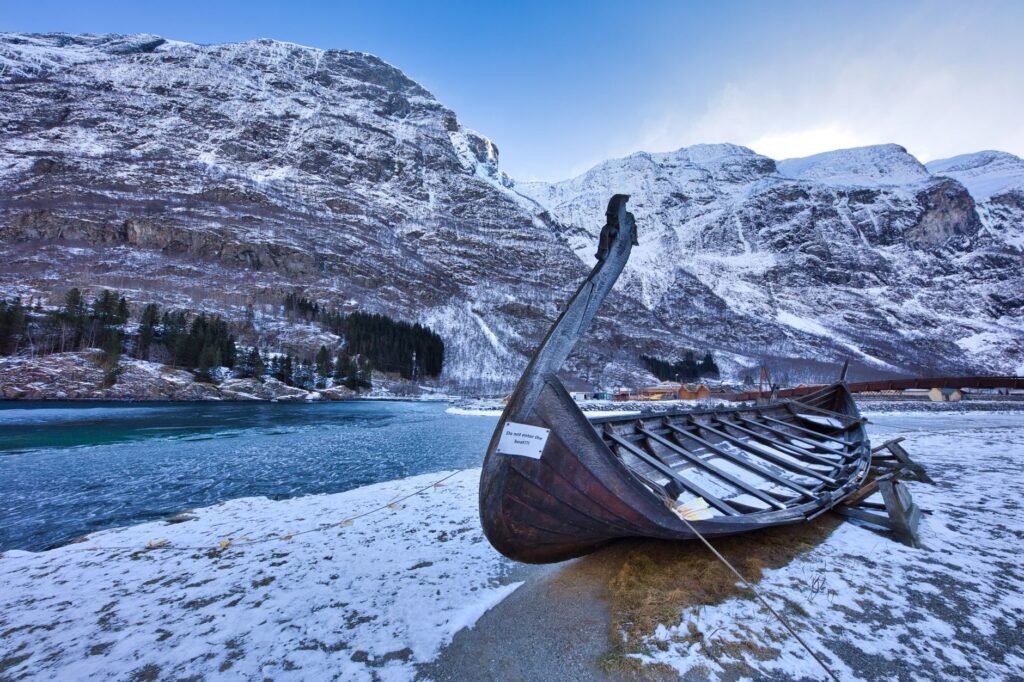
Imagine a world of fearsome warriors, master navigators, and ingenious artisans. A world where epic sagas were spun, and longships cut through icy waters, forging new trade routes and settlements across vast oceans. This is the enduring legacy of the Vikings, a complex and fascinating people whose influence stretched far beyond the shores of Scandinavia. If you’re captivated by tales of Norse mythology, intricate runestones, and the thrill of discovery, then a journey through Norway, Denmark, and Sweden to explore their Viking history is an adventure waiting to unfold. Prepare to step back in time, walk in the footsteps of legendary Norsemen, and uncover the rich tapestry of their culture, innovation, and unwavering spirit.
The Viking Legacy: More Than Just Raiders
For centuries, the image of the Viking has been dominated by fierce raiders in horned helmets (a myth, by the way!). While their prowess in warfare and exploration is undeniable, the Vikings were also sophisticated traders, skilled craftsmen, and farmers who established complex societies. They left behind an incredible wealth of archaeological treasures, from exquisitely preserved longships and intricate jewelry to powerful runestones and meticulously planned settlements. Exploring Viking history in Scandinavia means delving deeper than the stereotypes, discovering their advanced shipbuilding, their democratic assemblies (things), their poetic Eddas, and their profound impact on European history and beyond.
Top Destinations for Your Viking Adventure
Scandinavia is dotted with incredible sites that bring the Viking Age to life. Each country offers a unique perspective on this captivating period.
Norway: Land of Fjords and Longships
- Viking Ship Museum (Oslo): Home to the world’s best-preserved Viking ships – Oseberg, Gokstad, and Tune – along with a wealth of artifacts, textiles, and tools. It’s an absolute must-see for anyone interested in Viking shipbuilding and burial customs. (Note: The museum is currently undergoing renovations and will reopen as the Museum of the Viking Age in 2026/2027, but its collections are unparalleled).
- Lofotr Viking Museum (Borg, Lofoten Islands): Experience life in the largest reconstructed Viking longhouse ever found. Costumed interpreters, traditional food, and opportunities to try your hand at Viking crafts make this an incredibly immersive experience.
- Nidaros Cathedral (Trondheim): While not purely a Viking site, this magnificent cathedral was built over the burial site of St. Olav, a Viking king who became a patron saint of Norway, symbolizing the transition from paganism to Christianity.
- Avaldsnes (Karmøy): Known as Norway’s first royal seat, this area boasts a rich archaeological landscape, including burial mounds and a reconstructed Viking farm.
Denmark: Heart of the Viking Kingdom
- Viking Ship Museum (Roskilde): Discover five original Viking ships salvaged from Roskilde Fjord, deliberately sunk there to protect the city. You can also watch traditional boatbuilders at work and even sail on a replica longship during summer.
- Jelling Monuments (Jelling): A UNESCO World Heritage site, Jelling is home to two massive burial mounds, two runestones (one by Gorm the Old, another by Harald Bluetooth, marking the conversion of Denmark to Christianity), and a modern experience center. It’s often considered the birthplace of the Danish nation.
- Trelleborg (Slagelse): Explore one of the best-preserved ring fortresses from the Viking Age. These impressive circular fortifications are a testament to Viking military engineering and strategic planning.
- Lindholm Høje (Aalborg): A vast Viking burial ground and settlement site with hundreds of stone settings marking graves, offering a poignant glimpse into Viking funerary practices.
Sweden: Runestones and Royal Seats
- Birka and Hovgården (Lake Mälaren): Another UNESCO World Heritage site, Birka was one of the most important trading centers in Viking Age Scandinavia. Explore the archaeological remains, visit the museum, and take a ferry trip to this historically significant island.
- Gamla Uppsala (Old Uppsala): A powerful political and religious center during the Viking Age, featuring massive burial mounds of ancient kings, a reconstructed Viking farm, and a museum. It’s a place steeped in Norse mythology.
- Foteviken Viking Museum (Höllviken): A living history museum where you can experience a reconstructed Viking town, interact with ‘residents’ in period costume, and participate in daily Viking life.
- Gotland Island: This large island in the Baltic Sea was a crucial trading hub for Vikings, evident in its numerous runestones, picture stones, and archaeological finds.
Immersive Experiences: Step Back in Time
Beyond museums and archaeological sites, Scandinavia offers incredible opportunities for hands-on immersion:
- Viking Markets and Festivals: Throughout the summer, many sites host vibrant Viking markets and festivals (e.g., Borre in Norway, Moesgaard near Aarhus in Denmark, Foteviken in Sweden). Here you can witness reenactments, enjoy traditional food and music, and buy authentic crafts.
- Sailing a Longship: At places like the Roskilde Viking Ship Museum, you might have the chance to join a crew on a replica longship, experiencing the thrill of sailing as the Vikings did.
- Craft Workshops: Learn ancient crafts like blacksmithing, woodworking, or textile making at various open-air museums and cultural centers.
- Traditional Feasts: Many reconstructed villages or museums offer Viking-inspired meals, often served in a longhouse setting, providing a taste of ancient Nordic cuisine.
Practical Tips for Your Viking Adventure
To make the most of your journey through Viking history, consider these practical insights:
- Best Time to Visit: The summer months (June-August) offer the best weather, longer daylight hours, and the most Viking festivals and open-air activities. However, shoulder seasons (May, September) can be beautiful with fewer crowds, though some attractions might have reduced opening hours.
- Getting Around: Scandinavia has excellent