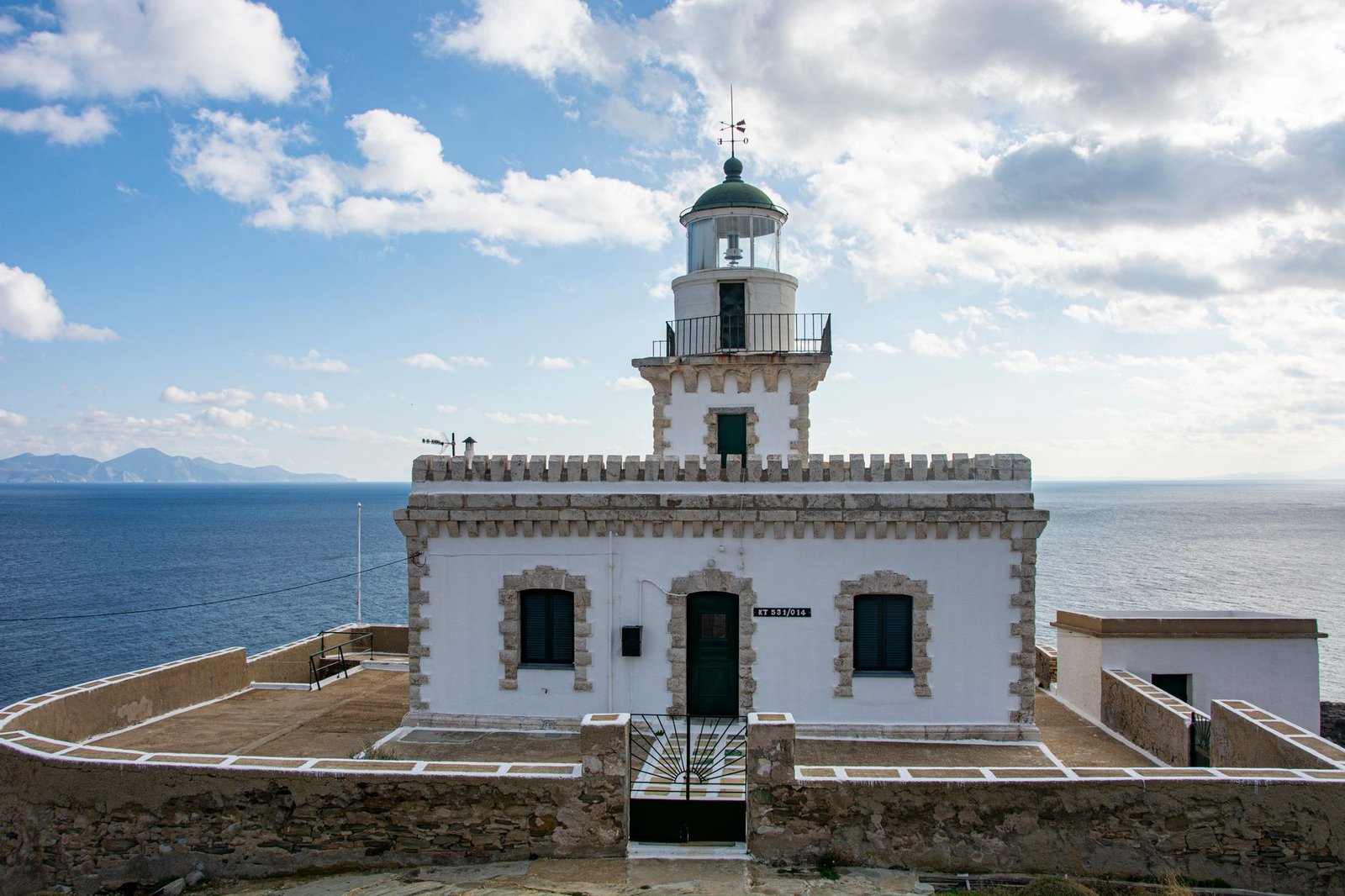
Imagine a canvas painted with azure waters, whitewashed villages clinging to cliffs, ancient ruins whispering tales of gods and heroes, and sunsets that set the sky ablaze. This isn’t a dream; this is the captivating reality of the Greek Islands. A mosaic of over 200 inhabited islands, each with its unique charm and character, the Greek archipelago offers an unparalleled travel experience that caters to every wanderlust. Whether you’re seeking vibrant nightlife, serene beaches, rich history, or authentic culinary delights, the Greek Islands promise an unforgettable adventure that will linger in your memories long after you’ve returned home.
Why Visit the Greek Islands?
The allure of the Greek Islands is multifaceted. It’s in the intoxicating scent of bougainvillea blooming against a backdrop of the Aegean Sea. It’s in the warmth of the Greek sun, the crystal-clear waters perfect for swimming and snorkeling, and the delicious simplicity of fresh seafood and local wine. Beyond the idyllic scenery, the islands are steeped in history and culture, offering a journey through time from ancient civilizations to charming modern-day traditions. From the iconic caldera views of Santorini to the party vibes of Mykonos, the historical grandeur of Rhodes, or the untouched beauty of lesser-known gems, the Greek Islands truly have something for everyone.
When to Go: Best Time to Visit the Greek Islands
Timing your visit can significantly impact your experience. While Greece enjoys abundant sunshine, different seasons offer distinct advantages.
Spring (April-May)
- Pros: Mild temperatures (20-25°C), lush green landscapes, fewer crowds, lower prices for accommodation and flights, perfect for hiking and sightseeing.
- Cons: Sea might still be a bit cool for swimming, some smaller islands or businesses might not be fully operational until late May.
- Ideal for: Cultural exploration, hiking, photography, experiencing local life before the summer rush.
Summer (June-August)
- Pros: Hot, sunny weather (28-35°C+), warm sea perfect for swimming, all services and attractions are open, vibrant nightlife.
- Cons: Peak season means large crowds, higher prices, and intense heat. Popular islands can feel very busy.
- Ideal for: Beach lovers, sun worshippers, party-goers, and those who enjoy a lively atmosphere.
Autumn (September-October)
- Pros: Warm sea temperatures, pleasant weather (20-28°C), fewer crowds than summer, excellent for swimming and outdoor activities, harvest festivals.
- Cons: Towards late October, some services might start to close down for winter.
- Ideal for: A balanced trip of relaxation, swimming, and exploring without the intense summer crowds. Often considered by many to be the best time to visit.
Choosing Your Greek Island Adventure
With so many islands, deciding where to go can be the hardest part! Here’s a guide to help you pick your perfect Greek escape:
For the Party Animals & Sunset Chasers: Mykonos & Santorini
- Mykonos: Famous for its cosmopolitan vibe, world-class beach clubs, and vibrant nightlife. Picture glamorous parties and chic boutiques.
- Santorini: Iconic for its dramatic caldera views, whitewashed villages perched on cliffs, and breathtaking sunsets. Perfect for romantic getaways and stunning photography.
For History Buffs & Cultural Explorers: Rhodes & Crete
- Rhodes: Home to a UNESCO World Heritage medieval Old Town, ancient ruins, and a rich history spanning centuries.
- Crete: Greece’s largest island, a treasure trove of Minoan palaces (Knossos), Venetian towns (Chania, Rethymno), diverse landscapes, and delicious cuisine.
For Nature Lovers & Tranquility Seekers: Naxos & Milos
- Naxos: The largest of the Cyclades, known for its diverse landscapes – long sandy beaches, fertile valleys, and mountainous villages. Great for families and outdoor activities.
- Milos: A volcanic island famous for its unique geological formations, moon-like beaches (Sarakiniko), and picturesque fishing villages. Ideal for exploring hidden coves and dramatic scenery.
For Authentic Charm & Local Life: Paros & Folegandros
- Paros: A fantastic blend of traditional Cycladic architecture, beautiful beaches, and a lively, yet less frantic, atmosphere than Mykonos. Great for windsurfing and kitesurfing too.
- Folegandros: A small, unspoiled island offering raw natural beauty, charming Chora, and a peaceful escape from the bustling crowds.
Getting Around the Greek Islands
Island hopping is a quintessential Greek experience, and getting around is part of the adventure.
Island Hopping by Ferry
Ferries are the most common way to travel between islands. Companies like Blue Star Ferries, Seajets, and Hellenic Seaways operate extensive routes. Booking in advance, especially during peak season, is highly recommended. Fast ferries cut down travel time but can be more expensive and bumpier, while conventional ferries offer a more relaxed journey and often allow you to sit outside.
Domestic Flights
For longer distances or to save time, domestic
🗓️ Updated Travel Tips & Information (2026)
Book Your Essentials Early for 2026
As demand for the Greek Islands continues to surge, particularly for popular destinations like Santorini and Mykonos, securing your key bookings well in advance is crucial for 2026. Aim to book ferries, popular hotel stays, and car rentals at least 4-6 months out, especially if traveling during the peak summer months (
Last updated: August 7, 2026