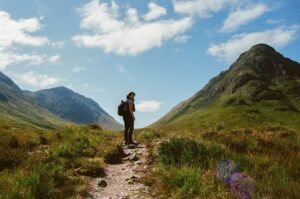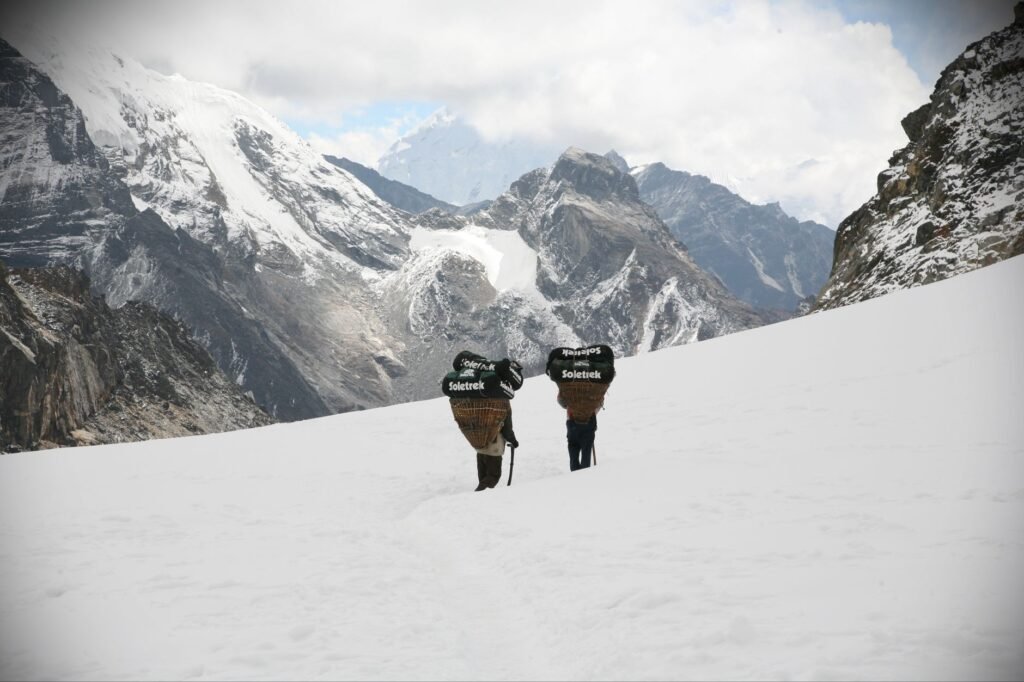
Nestled in the heart of the majestic Himalayas, Nepal is a land of unparalleled beauty, profound spirituality, and thrilling adventures. From the world’s highest peaks to ancient city squares steeped in history, this enchanting country offers a tapestry of experiences that will captivate your soul and challenge your spirit. Whether you dream of embarking on an epic trek, exploring vibrant cultural traditions, or seeking tranquil spiritual solace, Nepal welcomes you with open arms and a warm ‘Namaste’. This comprehensive guide is designed to equip you with all the essential information and local insights needed to plan an unforgettable journey through this remarkable Himalayan kingdom.
Why Visit Nepal?
Nepal is a unique blend of natural grandeur and rich cultural heritage. It’s home to eight of the world’s ten highest mountains, including Mount Everest, making it a mecca for trekkers and mountaineers. Beyond its towering peaks, Nepal boasts a spiritual legacy as the birthplace of Lord Buddha and a vibrant mosaic of ethnic groups, each contributing to a diverse cultural landscape. Its ancient cities are living museums, while its national parks teem with exotic wildlife. A trip to Nepal is not just a vacation; it’s an immersion into a world where ancient traditions meet breathtaking landscapes.
Best Time to Visit Nepal
Choosing the right time to visit can significantly enhance your experience in Nepal. The country experiences four distinct seasons, each offering unique advantages:
- Autumn (September to November): Widely considered the best time to visit. The monsoon rains have cleared the air, offering crystal-clear mountain views and pleasant temperatures. This is prime trekking season, with trails buzzing with activity. Festivals like Dashain and Tihar add a vibrant cultural dimension.
- Spring (March to May): Another excellent period, especially for trekking. Temperatures are mild, and rhododendron forests burst into spectacular bloom, painting the hillsides in vibrant hues. It can get a bit warmer and hazier towards May, but it’s still a fantastic time for outdoor activities before the monsoon arrives.
- Winter (December to February): While cold, especially at higher altitudes, winter offers spectacular clear skies and crisp mountain views. Trekking at lower elevations (below 3,000m) is still enjoyable, and the Kathmandu Valley is less crowded. Higher passes may be closed due to snow.
- Monsoon (June to August): The monsoon season brings heavy rainfall, making trekking challenging due to muddy trails and leeches, and often obscuring mountain views. However, the landscapes are lush and green, and it’s an ideal time for cultural tours in the Kathmandu Valley, as well as for budget travelers who don’t mind the rain. Some rain-shadow areas like Upper Mustang are also popular during this time.
Getting There & Around
International Travel
Most international travelers arrive at Tribhuvan International Airport (TIA) in Kathmandu. Numerous airlines offer direct and connecting flights from major cities worldwide. It’s advisable to book flights in advance, especially during peak seasons.