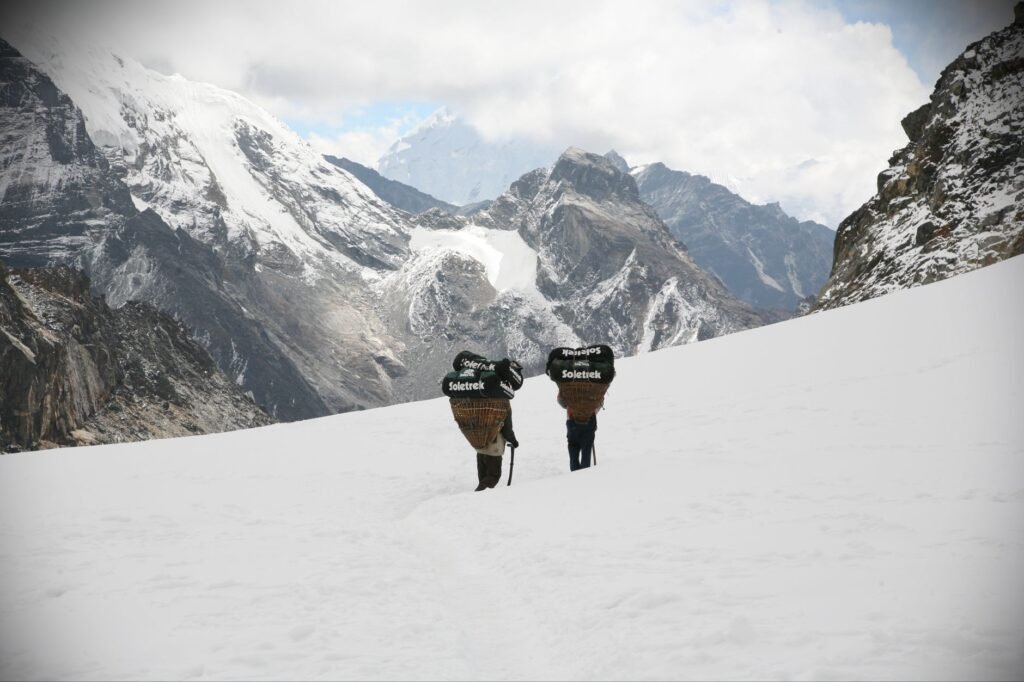
Imagine a land where ancient traditions whisper from every temple, where the world’s highest peaks pierce the sky, and where a smile greets you at every turn. Welcome to Nepal, a country that effortlessly blends spiritual serenity with breathtaking adventure. More than just a destination, Nepal is an experience – a journey for the soul that promises to leave an indelible mark on your heart. If you’ve been dreaming of majestic mountains, vibrant cultures, and unparalleled hospitality, this comprehensive guide to traveling in Nepal is your first step towards an unforgettable adventure.
Why Visit Nepal? Discover the Himalayan Gem
Nepal, nestled between the giants of India and China, is a land of incredible diversity. From the steamy jungles of the Terai plains to the icy pinnacles of the Everest range, its landscapes are as varied as its people. It’s a spiritual heartland, home to Lumbini (the birthplace of Buddha) and countless Hindu temples. It’s an adventurer’s paradise, offering world-class trekking, white-water rafting, and paragliding. But perhaps most compelling is the warmth of its people, whose resilience and genuine kindness will touch your spirit. Traveling in Nepal offers a unique blend of cultural immersion, natural beauty, and thrilling experiences that few other places on earth can match.
Best Time to Visit Nepal: A Seasonal Guide
Choosing the right time to visit Nepal can significantly enhance your experience, especially if trekking is on your agenda.
- Autumn (September to November): Widely considered the best time to visit. The monsoon rains have cleared the air, offering crystal-clear mountain views and pleasant temperatures. This is peak season for trekking, with popular trails bustling with activity.
- Spring (March to May): Another excellent period, especially for trekkers. Temperatures are mild, and the rhododendron forests burst into vibrant bloom, painting the hillsides with color. Haze can sometimes obscure distant mountain views later in the season.
- Winter (December to February): Cooler temperatures prevail, especially at higher altitudes. While high-altitude trekking can be challenging due to snow, lower-altitude treks and cultural tours in the Kathmandu Valley are very enjoyable, with fewer crowds and clear skies.
- Monsoon (June to August): The summer months bring heavy rainfall, making trekking difficult due to slippery trails and leeches. However, the landscapes are lush and green, and the cultural sites are less crowded. This can be a good time for cultural tours if you don’t mind the rain, and some areas like Mustang (a rain shadow region) remain accessible.
Getting There and Around Nepal
Arriving in Nepal
Most international travelers arrive at Tribhuvan International Airport (TIA) in Kathmandu. Numerous airlines offer flights connecting Kathmandu to major cities across Asia, Europe, and the Middle East. It’s advisable to arrange a pre-paid taxi or airport pick-up through your hotel upon arrival to avoid hassle.
Navigating Within Nepal
- Domestic Flights: For quicker travel between major cities like Kathmandu, Pokhara, and Lukla (gateway to Everest), domestic flights are available. Be aware that mountain flights, especially to Lukla, can be subject to delays or cancellations due to weather.
- Tourist Buses: A popular and affordable option for inter-city travel (e.g., Kathmandu to Pokhara, Chitwan). These buses are generally more comfortable than local buses, offering a scenic journey.
- Local Buses: While cheaper, local buses can be crowded and less comfortable, often taking longer due to frequent stops. They offer a more authentic, albeit sometimes challenging, local experience.
- Taxis and Rickshaws: Readily available in urban areas. Always negotiate the fare before starting your journey, or ensure the meter is used. Rickshaws are excellent for short distances and navigating narrow streets.
- Jeeps: For reaching remote trekking trailheads, shared or private jeeps are often the best option, especially where road conditions are rough.
Top Experiences in Nepal: Must-Do Adventures
Trekking the Himalayas: A Hiker’s Paradise
<
🗓️ Updated Travel Tips & Information (2026)
Stay Connected Smartly with eSIMs
For seamless connectivity in 2026, consider purchasing an eSIM before you arrive, offering instant data access upon landing. While Wi-Fi is increasingly available in guesthouses and cafes, a local Ncell or Nepal Telecom SIM (or eSIM)
Last updated: September 6, 2026