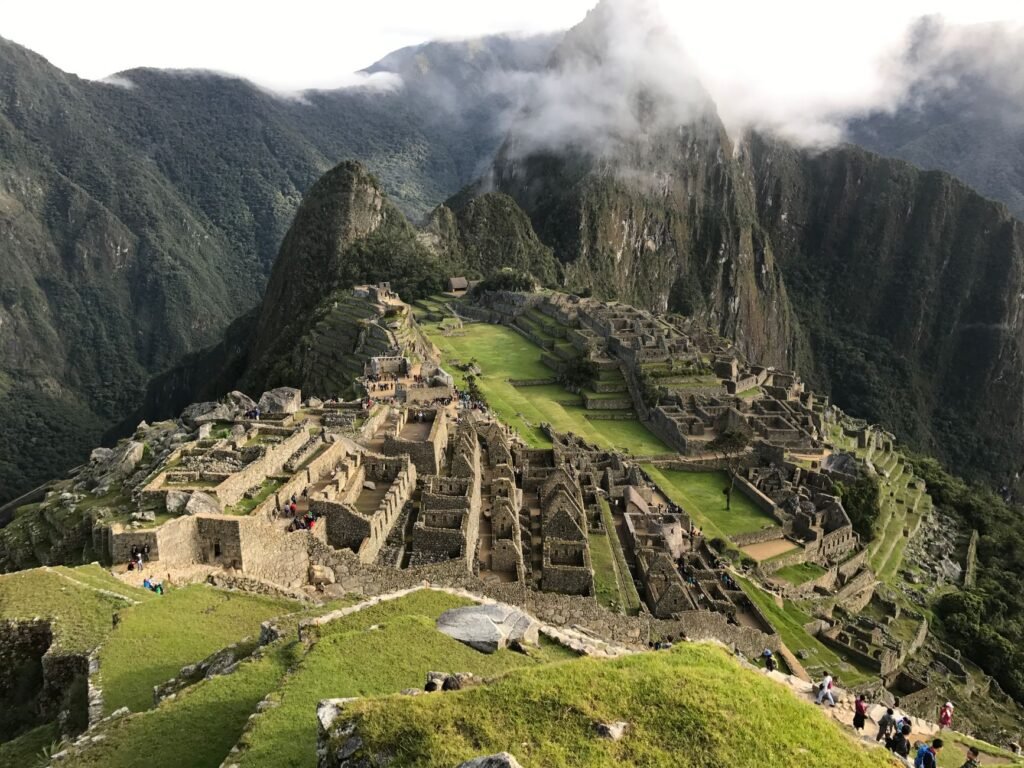
Nestled high in the Andes Mountains of Peru, the ancient Inca citadel of Machu Picchu stands as a testament to human ingenuity and spiritual devotion. A UNESCO World Heritage site and one of the New Seven Wonders of the World, it beckons travelers from across the globe with its awe-inspiring beauty, enigmatic history, and breathtaking panoramic views. Visiting Machu Picchu is more than just a trip; it’s a pilgrimage, a journey into a lost world that promises to ignite your imagination and leave an indelible mark on your soul. If you’re dreaming of walking among these sacred stones, this comprehensive guide will help you plan an unforgettable adventure to the heart of the Inca Empire.
Planning Your Unforgettable Machu Picchu Adventure
A successful trip to Machu Picchu begins with meticulous planning. From understanding the best time to visit to securing your entry tickets, every detail counts when preparing for this once-in-a-lifetime experience.
Best Time to Visit Machu Picchu
Choosing the right time to visit Machu Picchu can significantly enhance your experience. Peru has two main seasons:
- Dry Season (May to October): This is generally considered the best time to visit Machu Picchu. You’ll enjoy clear skies, less rain, and stunning views, making it ideal for hiking. However, it’s also peak tourist season, meaning larger crowds and higher prices for flights and accommodations.
- Wet Season (November to April): Characterized by more frequent rainfall, especially from January to March. While the landscapes are lush and green, rain can obscure views, and some trails might be muddy. January is typically the wettest month, and the Inca Trail is closed in February for maintenance. However, fewer crowds and lower prices can be a draw for some travelers.
Local Insight: Consider the shoulder months of April/May or October/November. You’ll often find a sweet spot with pleasant weather, fewer crowds than peak dry season, and competitive prices.
How to Get to Machu Picchu
The journey to the Lost City of the Incas typically starts in Cusco, the historic capital of the Inca Empire. From Cusco, you have several options:
- Train from Ollantaytambo or Poroy: Most visitors take a scenic train journey from Ollantaytambo (in the Sacred Valley) or Poroy (near Cusco) to Aguas Calientes (Machu Picchu Pueblo), the town at the base of Machu Picchu. PeruRail and Inca Rail are the two main operators, offering various service levels from budget-friendly to luxury.
- Hiking the Inca Trail: For the adventurous, the classic 4-day/3-night Inca Trail trek is an iconic way to arrive at Machu Picchu through the Sun Gate. Permits are highly limited and must be booked many months in advance through an authorized tour operator.
- Alternative Treks: Other popular multi-day treks include the Salkantay Trek, Lares Trek, and Jungle Trek, which also end in Aguas Calientes.
Once in Aguas Calientes, you’ll take a 25-minute bus ride up a winding road to the main entrance of Machu Picchu. Buses depart frequently from early morning until late afternoon.
Machu Picchu Tickets and Permits: Book in Advance!
Entry to Machu Picchu is strictly controlled to preserve the site. You absolutely must purchase your tickets well in advance, especially if you plan to visit during the dry season or want to hike Huayna Picchu or Machu Picchu Mountain.
- Machu Picchu Citadel Ticket: This is your basic entry ticket. There are different circuits you can choose from, each offering a specific route through the citadel.
- Huayna Picchu Mountain Ticket: This challenging hike offers incredible aerial views of Machu Picchu. Only 400 permits are available per day, split into two groups. Book 4-6 months in advance.
- Machu Picchu Mountain Ticket: A longer, less steep, but equally rewarding hike with panoramic views of the entire site and surrounding valleys. 800 permits are available daily.
You can purchase tickets online via the official Peruvian Ministry of Culture website or through a reputable tour operator. Always ensure you are booking from an authorized source.
Accommodation Options
- Cusco: A fantastic base for exploring the Sacred Valley and acclimatizing to the altitude. Offers a wide range of hotels, hostels, and guesthouses.
- Sacred Valley: Towns like Ollantaytambo, Urubamba, and Pisac offer charming accommodations and are great for breaking up the journey to Machu Picchu, often at a lower altitude than Cusco.
- Aguas Calientes (Machu Picchu Pueblo): This small town is purely tourist-focused, with hotels, restaurants, and souvenir shops. Staying here allows you to catch the first buses up to Machu Picchu in the morning, beating some of the crowds.
Packing Essentials for Your Visit
Be prepared for varying weather conditions and a day of exploration:
- Layers: Mornings can be chilly, but it warms up quickly. A t-shirt, fleece, and waterproof/windproof jacket are ideal.
- Rain Gear: Even in the dry season, a light rain jacket or poncho is a good idea.