Imagine a journey where every mile tells a story, where the open road unfurls like a vintage map, and the spirit of a bygone era whispers through the wind. This isn’t just any drive; it’s an pilgrimage along America’s most iconic highway: Route 66. Stretching over 2,400 miles from Chicago to Santa Monica, the legendary “Mother Road” is more than just asphalt and signs; it’s a living museum, a cultural artery that once connected the heartland to the Pacific. For generations of dreamers, adventurers, and wanderers, Route 66 has symbolized freedom, opportunity, and the quintessential American road trip. Are you ready to trade the mundane for the magnificent and embark on an unforgettable adventure through the soul of America?
Why Drive Route 66?
Driving Route 66 is a unique opportunity to step back in time and experience the authentic Americana that shaped a nation. It’s a journey steeped in nostalgia, offering a tangible connection to the past. As you cruise along this historic highway, you’ll encounter a captivating blend of kitschy roadside attractions, classic diners serving up comfort food, charming small towns that time forgot, and majestic landscapes that truly take your breath away. From the quirky Muffler Men of Illinois to the dazzling neon signs of vintage motels, every stop is a photo opportunity and a chance to soak in the rich history and vibrant culture of this legendary route. It’s a testament to the resilience of the American spirit and a celebration of the open road.
Planning Your Epic Journey
Embarking on a Route 66 road trip requires some thoughtful planning to ensure a smooth and memorable experience. While spontaneity is part of the charm, a little preparation goes a long way.
Best Time to Go
- Spring (April-May) and Fall (September-October): These are widely considered the ideal times for a Route 66 adventure. The weather is generally pleasant across all eight states, with comfortable temperatures for driving and exploring. Crowds are also thinner than in peak summer, making for a more relaxed experience at popular attractions.
- Summer (June-August): While popular, summer can bring intense heat, especially in the southwestern states like Arizona and New Mexico. Attractions can also be more crowded, and accommodation prices might be higher. However, the long daylight hours offer more time for exploration.
- Winter (November-March): Winter travel can be challenging, particularly in the northern and eastern stretches (Illinois, Missouri) where snow and ice are possible. Some seasonal attractions may also be closed. However, for those seeking solitude and a different perspective, it can offer a unique, albeit colder, experience.
Vehicle Choice
A comfortable, reliable vehicle is paramount. While some dream of a classic convertible, a modern car with good gas mileage, air conditioning, and plenty of space for luggage is often more practical. Ensure your vehicle is in top mechanical condition before you set off, with fresh oil, good tires, and checked fluids. Consider renting a car if your personal vehicle isn’t suitable or if you want to avoid putting excessive mileage on it.
Navigation
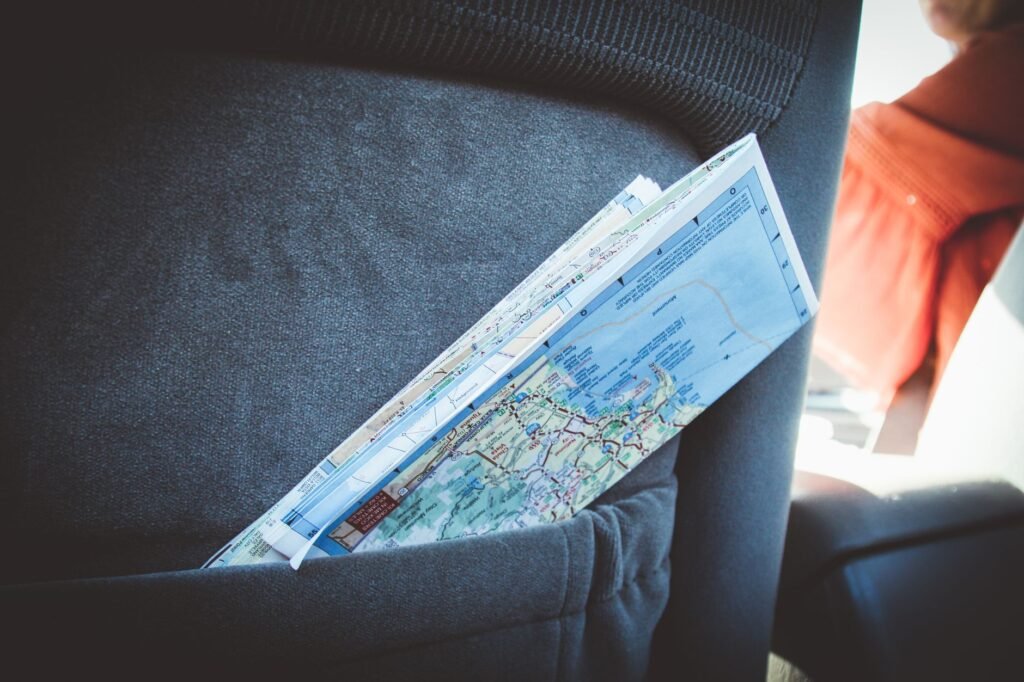
Navigating Route 66 isn’t as simple as following a single highway number. The original route has been decommissioned and bypassed by modern interstates in many places. You’ll need a combination of resources:
- Detailed Maps: Invest in a specialized Route 66 map or guidebook (e.g., EZ66 Guide by Jerry McClanahan) that highlights the various alignments and points of interest.
- GPS/Smartphone Apps: While useful for general navigation, be aware that GPS might try to route you onto faster interstates. Use it in conjunction with your specialized maps.
- “Historic Route 66” Signs: Keep an eye out for these brown signs; they are your best friends for staying on the original path.
Accommodation
Route