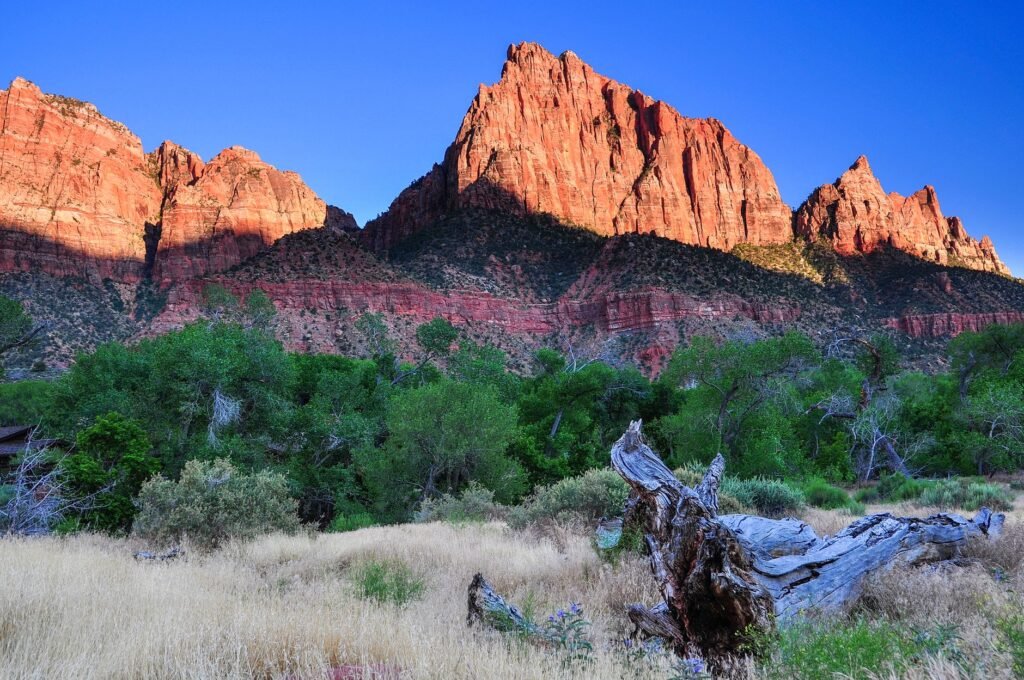
The United States is a land of unparalleled natural beauty, boasting a diverse tapestry of landscapes that range from towering mountain peaks to vast desert canyons, ancient forests, and rugged coastlines. At the heart of preserving these natural wonders are the country’s magnificent National Parks. More than just protected lands, these parks are living museums, offering a sanctuary for wildlife, a playground for adventurers, and a peaceful escape for anyone seeking solace in nature. Embarking on a journey through America’s National Parks is an experience that transcends a mere vacation; it’s an immersion into the soul of the wilderness, a chance to witness geological marvels, vibrant ecosystems, and breathtaking vistas that will stay with you long after you’ve returned home.
From the geysers of the West to the misty mountains of the East, each park offers a unique adventure. Whether you’re a seasoned hiker, a wildlife enthusiast, a photographer, or simply looking for a memorable family trip, the USA’s National Parks promise an unforgettable journey. Let’s explore some of the most iconic and awe-inspiring parks that deserve a spot on every traveler’s bucket list.
Iconic National Parks You Must Experience
Yellowstone National Park, Wyoming/Montana/Idaho
As the world’s first national park, Yellowstone holds a special place in the hearts of nature lovers. Famous for its geothermal wonders, including the iconic Old Faithful geyser, vibrant hot springs like Grand Prismatic Spring, and bubbling mud pots, Yellowstone is a geological marvel. Beyond its thermal features, the park is a thriving ecosystem, home to an abundance of wildlife, including bison, elk, bears, and wolves, often visible from scenic drives.
- Key Activities: Witnessing geyser eruptions, exploring colorful hot springs, wildlife viewing, hiking trails (e.g., Grand Canyon of the Yellowstone), scenic drives (Grand Loop Road).
- Practical Tip: Wildlife is most active at dawn and dusk. Keep a safe distance and never feed animals. Reservations for lodging and campsites often book up a year in advance.
- Best Time to Visit: Late spring (May-June) for active wildlife and fewer crowds, or early fall (September-October) for fall foliage and crisp air. Summer (July-August) is popular but crowded.
- Local Insight: Don’t just stick to the main attractions. Explore some of the lesser-known thermal areas like Norris Geyser Basin for a more intimate experience.
Yosemite National Park, California
Nestled in California’s Sierra Nevada mountains, Yosemite is a symphony of granite cliffs, giant sequoias, and roaring waterfalls. Dominated by the majestic El Capitan and Half Dome, its dramatic landscapes have captivated artists and adventurers for centuries. Yosemite Valley, carved by glaciers, is the park’s crown jewel, offering easy access to some of its most famous sights.
- Key Activities: Hiking to iconic waterfalls (Yosemite Falls, Bridalveil Fall), climbing Half Dome (permit required), driving through Tuolumne Meadows, marveling at giant sequoias in Mariposa Grove, scenic drives (Tioga Road, Glacier Point Road).
- Practical Tip: Parking in Yosemite Valley can be challenging. Utilize the free park shuttle system to get around. Make sure to book lodging or camping well in advance.
- Best Time to Visit: Spring (April-May) for powerful waterfalls and blooming wildflowers, or fall (September-October) for vibrant foliage and fewer crowds.
- Local Insight: Wake up early to catch the sunrise at Tunnel View for an iconic panoramic shot of El Capitan, Half Dome, and Bridalveil Fall.
Grand Canyon National Park, Arizona
A testament to the power of erosion, the Grand Canyon is an immense chasm carved by the Colorado River, stretching 277 miles long, up to 18 miles wide, and a mile deep. Its sheer scale and the kaleidoscope of colors displayed in its rock layers create a landscape that is truly humbling and unforgettable. While often viewed from the rim, descending into the canyon offers a completely different perspective.
- Key Activities: Watching sunrise/sunset over the canyon, hiking rim trails (e.g., Bright Angel Trail, South Kaibab Trail), mule rides, helicopter tours, whitewater rafting on the Colorado River.
- Practical Tip: The South Rim is open year-round and more accessible; the North Rim is higher, more remote, and closed in winter. Bring plenty of water, especially if hiking below the rim.
- Best Time to Visit: Spring (March-May) and fall (September-November) offer pleasant temperatures and fewer crowds than the summer.
- Local Insight: For a unique and less crowded experience, consider visiting the North Rim if your travel dates permit (typically open May 15 – Oct 15). The views are equally stunning, with a more serene atmosphere.