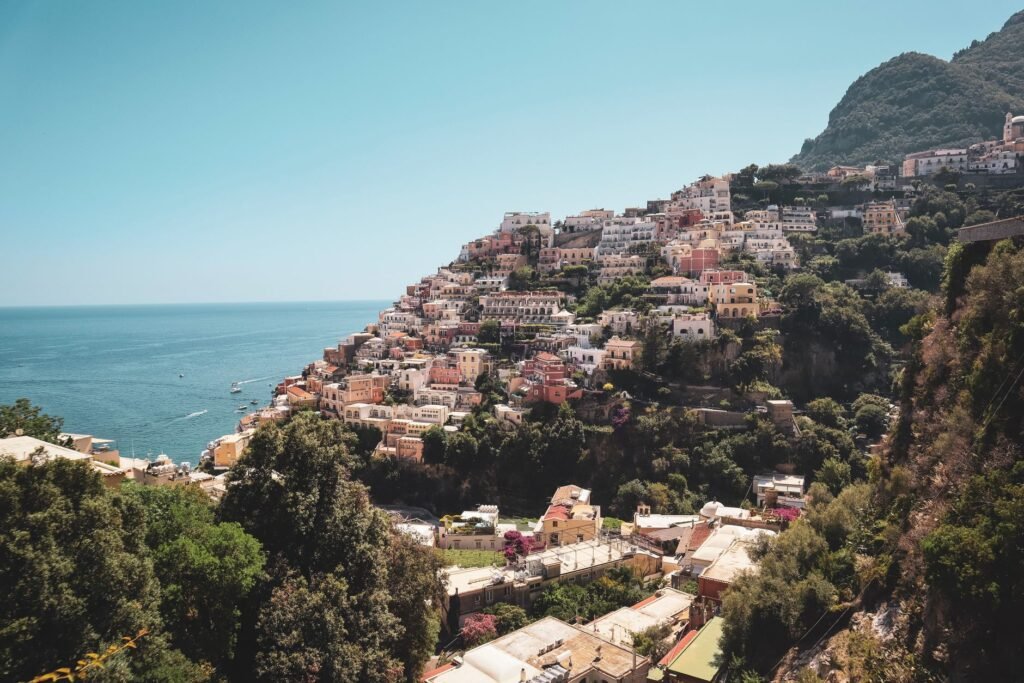
Imagine a place where dramatic cliffs plunge into the azure Tyrrhenian Sea, where pastel-hued villages cling precariously to mountainsides, and the scent of lemon groves perfumes the air. Welcome to the Amalfi Coast, a UNESCO World Heritage site and one of Italy’s most breathtaking destinations. This iconic stretch of coastline, just south of Naples, is a symphony of natural beauty, ancient history, and vibrant culture. From the glamorous allure of Positano to the historical grandeur of Amalfi and the serene elegance of Ravello, the Amalfi Coast promises an unforgettable journey for every traveler. Prepare to be captivated by its winding roads, hidden coves, delicious cuisine, and the unparalleled charm of its people. Our comprehensive guide will help you navigate this Mediterranean paradise, ensuring your trip is as seamless and spectacular as the views themselves.
Best Time to Visit the Amalfi Coast
Choosing the right time to visit can significantly enhance your Amalfi Coast experience. Each season offers a different charm, but some periods are undeniably better for first-time visitors.
- Spring (April-May): Widely considered the best time. The weather is pleasantly warm, flowers are in full bloom, and the crowds are manageable compared to summer. Ferries are fully operational, and hiking trails like the Path of the Gods are a joy.
- Early Summer (June): Still excellent, with warm temperatures perfect for swimming. Crowds start to build, but it’s not yet peak season.
- Peak Summer (July-August): Hot, humid, and extremely crowded. While the atmosphere is lively, expect higher prices, packed beaches, and traffic congestion. If you visit in summer, book everything well in advance and consider staying in smaller towns.
- Autumn (September-October): Another fantastic option. The weather remains warm enough for swimming into early October, the sea is at its warmest, and the summer crowds have thinned out considerably. Lemon harvests begin, adding a unique local flavor.
- Winter (November-March): The quietest season. Many hotels and restaurants close, and ferry services are reduced. While beautiful in its own way, it’s not ideal for a typical tourist experience focused on beaches and bustling towns. However, if you seek solitude and lower prices, it can be charming.
Getting There & Around
Navigating the Amalfi Coast requires a bit of planning, but the journey is part of the adventure.
Getting to the Amalfi Coast
- By Air: The closest international airport is Naples International Airport (NAP). From Naples, you can take a pre-booked private transfer, a regional train to Salerno or Sorrento, or a bus.
- By Train: High-speed trains connect major Italian cities to Naples and Salerno. From Naples, take the local Circumvesuviana train to Sorrento. From Salerno, you can catch a ferry or bus to Amalfi Coast towns.
- By Bus: SITA Sud buses connect Naples, Sorrento, and Salerno to various towns along the coast.
Navigating the Coast
The infamous SS163 road is stunning but can be challenging. Here are your best options:
- SITA Sud Buses: The most economical way to get around. They connect all major towns but can be crowded, especially in peak season. Buy tickets in advance from tabaccherias (tobacco shops).
- Ferries & Hydrofoils: The most scenic and often fastest way to travel between coastal towns like Positano, Amalfi, and Salerno, avoiding road traffic. Services increase during peak season.
- Scooter Rental: For adventurous travelers, renting a scooter offers flexibility and an authentic Italian experience, but traffic can be intense, and roads are narrow and winding.
- Private Driver/Taxi: Convenient but expensive. Great for airport transfers or specific excursions.
- Driving: Not recommended for the faint of heart. Parking is extremely limited and costly, and the roads are narrow with sharp turns. Consider driving only if staying outside the main towns and planning day trips.
Must-Visit Towns & Villages
Each town along the Amalfi Coast possesses its own unique character and charm.
Positano
The postcard-perfect town, famous for its cascade of colorful houses tumbling down to the sea. Explore its chic boutiques, art galleries, and enjoy a limoncello on Spiaggia Grande beach. Don’t miss the Church of Santa Maria Assunta with its majolica dome.
Amalfi
Once a powerful maritime republic, Amalfi is rich in history. Its majestic Duomo di Sant’Andrea (Cathedral of St. Andrew) dominates the main piazza. Wander through its narrow alleyways, visit the Paper Museum, and enjoy the bustling atmosphere.
Ravello
Perched high above the coastline, Ravello offers breathtaking panoramic views and a serene escape from the bustling lower towns. Visit the exquisite gardens of Villa Rufolo and Villa Cimbrone, renowned for their stunning vistas and tranquil beauty.
Other Gems
- Praiano: A quieter alternative to Positano, offering stunning sunsets and a more local feel.
- Atrani: A charming, unspoiled fishing village, just a short walk from Amalfi, perfect for a glimpse into authentic coastal life.
- Vietri sul Mare: Known as the “Gateway to the Amalfi Coast” and famous for its vibrant ceramic production.
- Cetara: A working fishing village renowned for its anchovy paste (colatura di alici) – a true culinary delight.
Experiences & Activities
The Amalfi Coast offers a wealth of activities for every type of traveler.
Scenic Drives & Walks
Drive the iconic SS163 for unforgettable views, but be prepared for hairpin bends. For hikers, the Path of the Gods (Sentiero degli Dei) is a must-do, offering unparalleled vistas from Agerola to Nocelle (above Positano).
Boat Trips & Beach Hopping
Explore hidden coves, swim in crystal-clear waters, and discover grottos like the Emerald Grotto (Grotta dello Smeraldo). Boat tours to Capri and Ischia are popular day trips, offering different perspectives of the region.
Culinary Delights
Indulge in the region’s culinary treasures. Savor fresh seafood, local