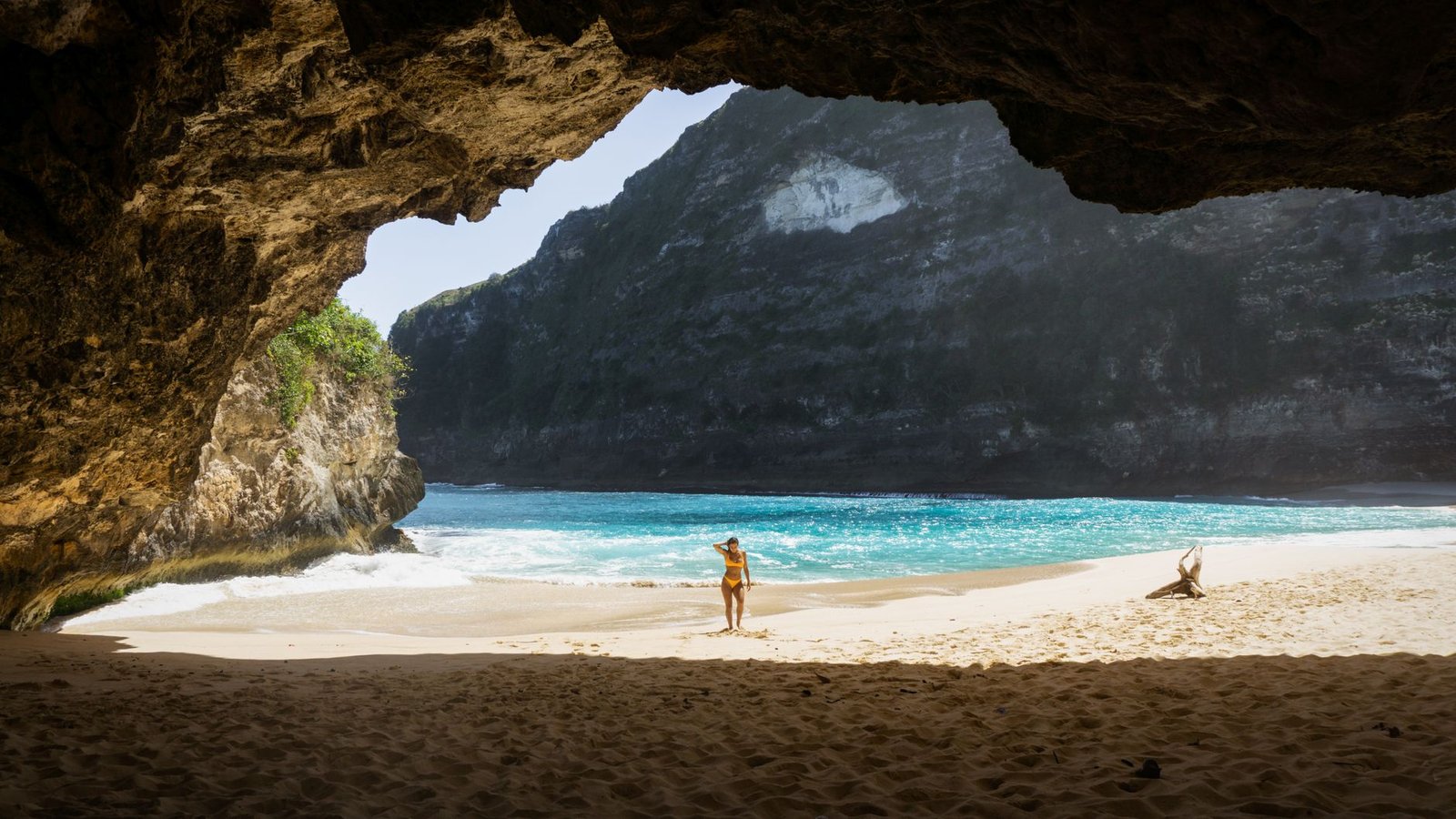
Imagine a beach where the only footprints in the sand are yours, where the only soundtrack is the gentle lapping of waves, and the horizon stretches endlessly, untouched by crowds. Southeast Asia, renowned for its dazzling coastlines, holds countless such secrets – secluded havens tucked away from the well-trodden tourist paths. If you’re a traveler yearning for authenticity, tranquility, and that exhilarating feeling of discovery, then prepare to have your wanderlust ignited.
From the limestone karsts of the Philippines to the volcanic shores of Indonesia and the untouched islands of Vietnam, this region is a treasure trove for those willing to venture a little further. Forget the bustling resorts and crowded shores; we’re about to unveil ten of Southeast Asia’s most captivating hidden beaches, each offering a unique slice of paradise just waiting to be explored.
Why Seek Out Hidden Beaches?
In an age of overtourism, the allure of a hidden beach is more potent than ever. These untouched pockets of beauty offer more than just stunning scenery; they provide a sanctuary for the soul. Here, you can reconnect with nature, immerse yourself in local culture without commercial distractions, and truly unwind. It’s about experiencing the raw, unfiltered beauty of a destination, creating memories that feel uniquely yours, and often, contributing to more sustainable tourism practices by supporting local communities directly.
Unveiling Southeast Asia’s Secret Sands
1. Duli Beach, El Nido, Palawan, Philippines
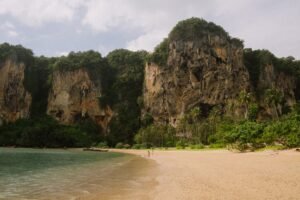
While El Nido itself is a magnet for travelers, Duli Beach remains a relatively well-kept secret, especially among those not seeking surf. This long, golden stretch of sand is known for its rolling waves, making it a favorite for beginner and intermediate surfers, but its remote location ensures a peaceful vibe for sunbathers and swimmers too.
- How to Get There: Rent a scooter from El Nido town (about a 45-minute ride) or hire a tricycle. The road can be a bit bumpy, adding to its hidden charm.
- Best Time to Visit: November to May for calmest waters and sunny days. Surfing season is generally May to October.
- Local Insight: There are a few small, eco-friendly establishments offering food, drinks, and surf lessons. It’s a great spot to catch a sunset away from the crowds.
2. Ao Noi Beach, Koh Kood, Thailand
Koh Kood, often hailed as Thailand’s last untouched island paradise, is home to numerous pristine beaches, but Ao Noi stands out for its serene beauty. This small, horseshoe-shaped bay boasts incredibly clear, shallow turquoise waters perfect for swimming and snorkeling, framed by swaying palm trees and lush jungle.
- How to Get There: Take a ferry from Laem Sok pier (near Trat) to Koh Kood. Once on the island, rent a scooter or hire a taxi to Ao Noi.
- Best Time to Visit: November to February for cooler, dry weather.
- Local Insight: There are only a handful of accommodations and restaurants nearby
🗓️ Updated Travel Tips & Information (2026)
Embrace Eco-Conscious Exploration
As hidden beaches gain popularity, practicing responsible tourism is paramount. Always adhere to “Leave No Trace” principles, packing out all trash and minimizing your environmental footprint. Consider supporting local guides or homestays directly, ensuring your visit benefits the community and helps preserve these pristine environments for future travelers.
Navigate Off-Grid Connectivity
True hidden gems often mean limited to no Wi-Fi or reliable mobile data. Prepare for a digital detox by downloading offline maps, essential travel documents, and entertainment before you go. Inform loved ones of your potential disconnection periods and enjoy the rare opportunity to truly unplug and immerse yourself in nature.
Master Local Transport & Budgeting
Reaching secluded beaches typically involves local transport like scooter rentals, longtail boats, or shared vans, which can range from $5-25 USD per trip or day. For 2026, anticipate paying cash for these services in remote areas, so always carry a mix of small local currency denominations. Budget around $30-50 USD per person per day for transport and local food outside of accommodation costs.
Prioritize Remote Area Health & Safety
Given the isolation of these locations, a comprehensive first-aid kit is non-negotiable, including essentials like antiseptic wipes
Last updated: August 6, 2026