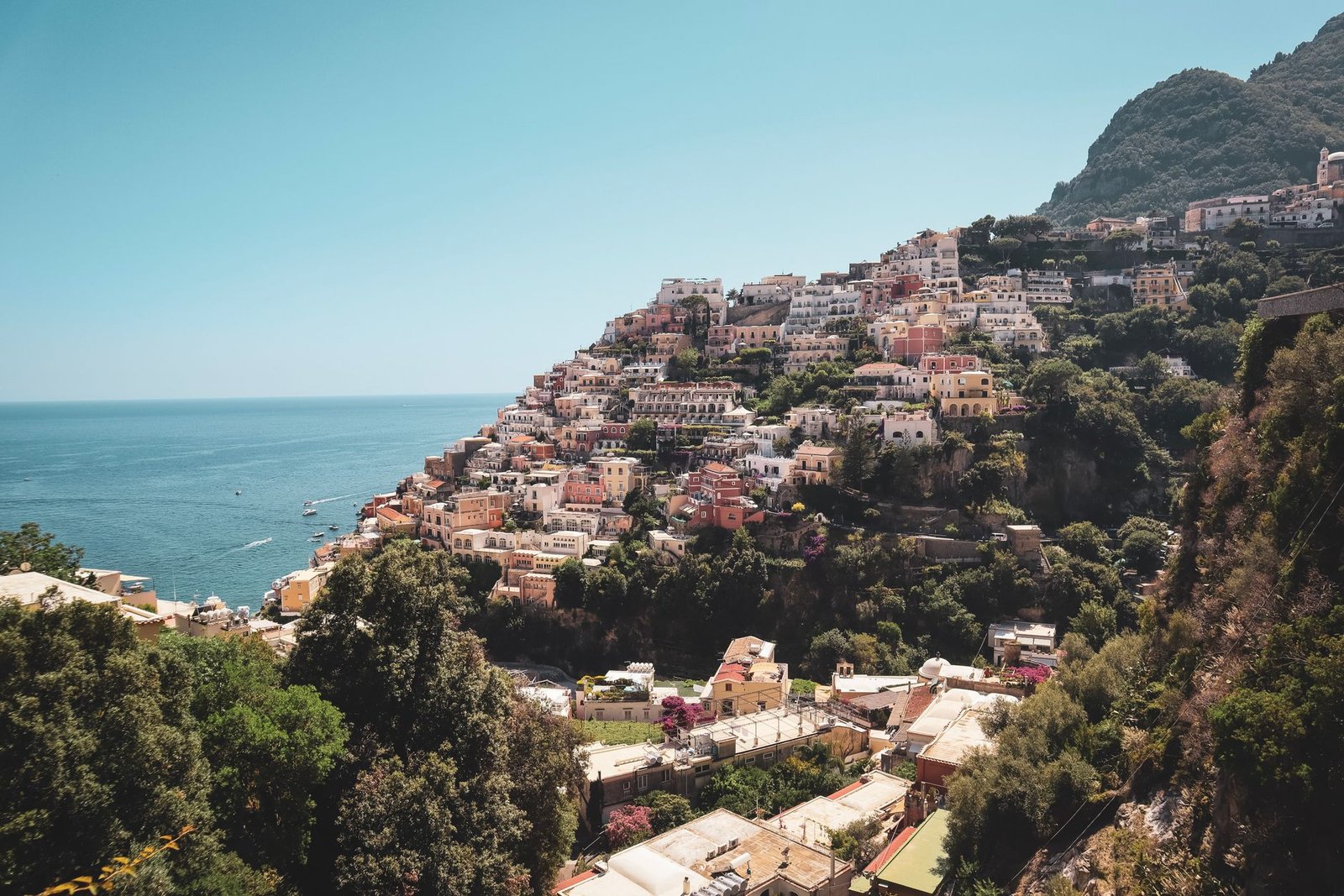
Imagine dramatic cliffs plunging into the cerulean embrace of the Mediterranean Sea, pastel-hued villages clinging precariously to mountainsides, and the intoxicating scent of lemon groves perfuming the air. Welcome to the Amalfi Coast, a UNESCO World Heritage site in Southern Italy that has captivated travelers for centuries. This legendary stretch of coastline, renowned for its breathtaking beauty, charming towns, and vibrant culture, promises an unforgettable escape. Whether you dream of sun-drenched beaches, exhilarating hikes, or simply savoring world-class cuisine with a panoramic view, the Amalfi Coast beckons. Prepare to be enchanted as we guide you through this Italian masterpiece, ensuring your journey is as smooth as the limoncello produced here.
Why Visit the Amalfi Coast?
The Amalfi Coast isn’t just a destination; it’s an experience for the senses. Its unique blend of natural splendor and human ingenuity creates a landscape unlike any other. Think winding coastal roads offering postcard-perfect vistas at every turn, ancient cathedrals standing proudly amidst bustling piazzas, and hidden coves inviting you for a refreshing dip. From the iconic cliffside homes of Positano to the historic grandeur of Amalfi and the serene elegance of Ravello, each town possesses its own distinct charm. It’s a place where history, art, and nature converge to create a truly magical atmosphere, making it a dream destination for honeymooners, adventure seekers, and culture enthusiasts alike.
Best Time to Visit the Amalfi Coast
Timing your visit can significantly impact your experience. While the Amalfi Coast is beautiful year-round, certain seasons offer distinct advantages.
Spring (April-May)
- Pros: Ideal weather – warm but not too hot, fewer crowds than summer, lush landscapes with blooming flowers, comfortable for hiking, ferries and most services are fully operational.
- Cons: Water might still be a bit cool for swimming early in the season.
Summer (June-August)
- Pros: Perfect beach weather, all attractions and services are open, vibrant atmosphere, long daylight hours.
- Cons: Peak tourist season means significant crowds, higher prices for accommodation and flights, very hot temperatures, traffic congestion on coastal roads.
Autumn (September-October)
- Pros: Pleasant temperatures, fewer crowds than summer but still lively, warm sea for swimming, beautiful autumn colors, harvest festivals.
- Cons: Some services might start winding down towards late October.
Winter (November-March)
- Pros: Very few tourists, lower prices, authentic local experience, mild temperatures (though it can rain).
- Cons: Many hotels, restaurants, and ferries close for the season, limited activities, not ideal for beach-goers.
Getting There & Getting Around
Navigating the Amalfi Coast requires a bit of planning, but the rewards are well worth it.
Arriving by Air
The closest international airport is Naples International Airport (NAP). From Naples, you have several options to reach the Amalfi Coast:
- Private Transfer: The most convenient, though priciest, option. Drivers meet you at the airport and take you directly to your accommodation.
- Train & Ferry/Bus: Take a train from Naples Garibaldi station to Salerno or Sorrento. From Salerno, you can catch a ferry directly to Amalfi or Positano. From Sorrento, local SITA buses or ferries connect to various towns on the coast.
- Shared Shuttle: A more affordable alternative to private transfers, often bookable in advance.
Navigating the Coast
Once you’re there, getting around is part of the adventure.
- SITA Buses: Affordable and frequent, connecting all major towns. Be prepared for crowded buses and winding roads, but the views are spectacular.
- Ferries & Hydrofoils: The best way to travel between coastal towns, especially during peak season, avoiding traffic and offering stunning sea views. Services run from April to October.
- Taxis & Private Drivers: Convenient for door-to-door service, especially if you’re short on time or prefer comfort, but significantly more expensive.
- Rental Cars: Only recommended for experienced drivers comfortable with narrow, winding roads, hairpin turns, and limited parking. During peak season, traffic can be intense, and parking is a major challenge and expense. Consider it only if you plan extensive day trips inland.
Must-See Towns & Villages
Each town along the Amalfi Coast has its own character and charm.
Positano: The Iconic View
The postcard-perfect village, famous for its cascading pastel houses clinging to the cliffside. Explore its narrow, bougainvillea-draped alleys, browse chic boutiques, and relax on Spiaggia Grande beach. Don’t miss the Church of Santa Maria Assunta with its majolica-tiled dome.
Amalfi: Historic Heart
Once a powerful maritime republic, Amalfi town is rich in history. Its majestic Duomo di Sant’Andrea (Cathedral of St. Andrew) dominates the main piazza. Explore its paper museum, stroll through its charming streets, and enjoy fresh seafood.
Ravello: Culture & Views
Perched high above the coastline, Ravello offers unparalleled panoramic views and a more serene atmosphere. It’s renowned for its exquisite gardens, Villa Rufolo and Villa Cimbrone, which host classical music concerts and boast some of the most spectacular vistas in Italy.
Capri: Island Escape
While not strictly on the Amalfi Coast, a day trip to the glamorous island of Capri is a must. Explore the Blue Grotto, take a chairlift to Monte Solaro for incredible views, and wander through the charming towns of Capri and Anacapri.
Praiano: Authentic Charm
Often overlooked by the crowds, Praiano offers a more authentic and laid-back experience. Enjoy its beautiful beaches like Marina di Praia, explore its ancient churches, and savor delicious local cuisine away from the
🗓️ Updated Travel Tips & Information (2026)
Navigate Smartly: Prioritize Ferries & Public Transport
For 2026, navigating the Amalfi Coast’s iconic winding roads by car during peak season can be slow and parking costly. Opt instead for the efficient ferry system connecting major towns like Positano,
Last updated: August 7, 2026