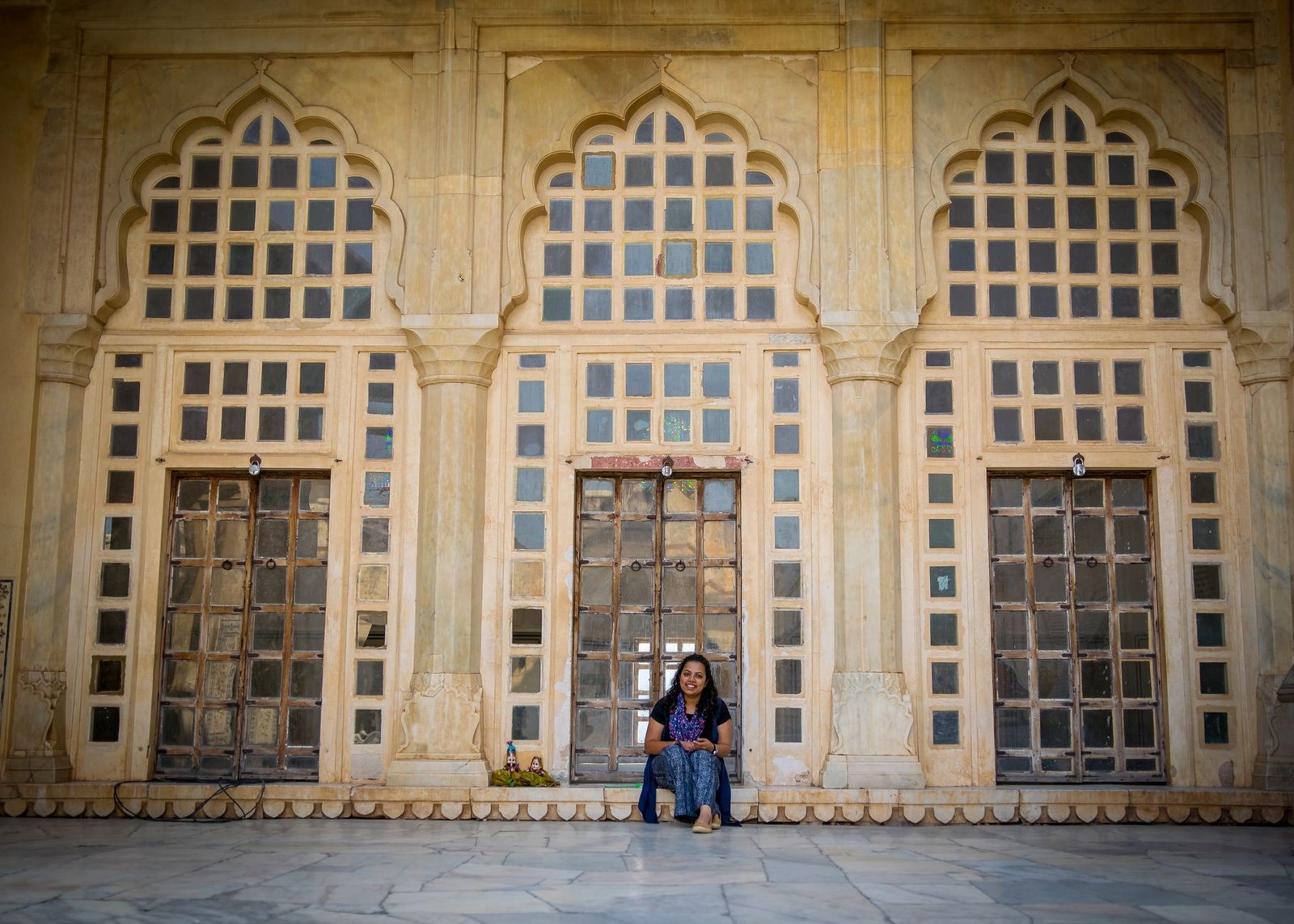
India is a land of unparalleled beauty, vibrant cultures, and ancient mysteries that captivate the soul. From the snow-capped Himalayas to the sun-kissed beaches of Goa, the bustling metropolises to the tranquil backwaters, this incredible subcontinent offers an experience like no other. However, a trip to India can be as exhilarating as it is overwhelming, especially for first-time visitors. To ensure your journey is filled with wonder and runs smoothly, thoughtful preparation is key. This comprehensive guide will equip you with essential travel tips for visiting India, helping you navigate its complexities and unlock its countless treasures with confidence and joy.
Best Time to Visit India
Choosing the right time to visit India can significantly impact your experience, as the country experiences diverse climatic conditions across its vast expanse.
- October to March: The Golden Window
This is widely considered the best time to visit most of India. The weather is pleasantly cool and dry across the northern plains, ideal for sightseeing in Rajasthan, Delhi, and Uttar Pradesh (home to the Taj Mahal). Southern India, including Kerala and Goa, also enjoys comfortable temperatures and sunshine, perfect for beaches and backwaters. - April to June: The Hot Season
These months bring intense heat to much of India, with temperatures often soaring above 40°C (104°F). While challenging for lowland travel, it’s an excellent time to visit the cooler hill stations like Shimla, Manali, Darjeeling, and Ooty, or explore the Himalayan regions before the monsoon. - July to September: Monsoon Season
The monsoon brings refreshing rains, transforming landscapes into lush green paradises. While travel can be challenging due to heavy rainfall and potential disruptions, it offers a unique perspective. Regions like Rajasthan receive less rain, and the Western Ghats (Kerala, Goa) are incredibly verdant. It’s also a great time for Ayurvedic treatments.
Essential Pre-Trip Planning
A little foresight goes a long way in ensuring a seamless and enjoyable trip to India.
Visa & Documentation
- Visa is Mandatory: Most foreign nationals require a visa to enter India. The easiest option for many is the e-Visa, which can be applied for online and is available for tourism, business, and medical purposes. Apply well in advance of your travel dates.
- Passport Validity: Ensure your passport is valid for at least six months beyond your intended stay and has at least two blank pages for stamps.
- Copies: Carry physical and digital copies of your passport, visa, flight tickets, and hotel reservations.
Health & Vaccinations
- Consult Your Doctor: Before your trip, speak to your doctor or a travel clinic about recommended vaccinations (e.g., Hepatitis A & B, Typhoid, Tetanus, Rabies, Japanese Encephalitis, Yellow Fever if coming from an endemic area).
- Malaria Prevention: Depending on where you travel, malaria prophylaxis might be recommended. Discuss this with your doctor.
- Basic First-Aid Kit: Pack essentials like pain relievers, anti-diarrhea medication, antiseptic wipes, band-aids, and any personal prescription medications.
Packing Smart
- Lightweight & Breathable Fabrics: Cotton and linen are ideal for India’s climate.
- Modest Clothing: Respect local customs by packing conservative attire, especially for women. Loose-fitting trousers, long skirts, and tops that cover shoulders and knees are recommended. A scarf can be useful for covering your head at religious sites.
- Comfortable Footwear: You’ll be doing a lot of walking, so sturdy and comfortable shoes or sandals are a must. Slip-on shoes are convenient for places where you’ll need to remove them frequently.
- Essentials: Sunscreen, insect repellent, hand sanitizer, a reusable water bottle, and a universal travel adapter.
Currency & Connectivity
- Indian Rupee (INR): The local currency. While credit cards are accepted in major cities and hotels, cash is essential for smaller vendors, local transport, and rural areas. ATMs are widely available.
- SIM Card/eSIM: Purchase a local SIM card (Airtel, Jio, Vodafone Idea) upon arrival at the airport or a dedicated store for affordable data and calls. Ensure your phone is unlocked. Alternatively, consider an eSIM for convenience.
Navigating India: Getting Around
India’s transport network is extensive and offers a range of experiences.
Domestic Flights
For covering long distances quickly, domestic flights are efficient and often reasonably priced. Major airlines include IndiGo, Vistara, Air India, and SpiceJet.
Trains
Indian Railways offers an iconic travel experience. It’s affordable, covers almost every corner of the country, and allows you to witness daily life. Book tickets well in advance, especially for popular routes and higher classes (AC 1st Class, AC 2-Tier). Websites like IRCTC are official booking portals.
Taxis & Ride-Sharing
- Ola & Uber: Widely available in major cities, offering convenient and transparent pricing.
- Auto-Rickshaws: A quintessential Indian experience. Always agree on the fare beforehand or insist on using the meter (though this is often challenged).
Local Transport
Buses are extensive but can be crowded. Metro systems in cities like Delhi, Mumbai, and Kolkata are modern, efficient, and a great way to beat traffic.
Cultural Immersion & Local Etiquette
Embracing and respecting local customs will enrich your travel experience.
Dress Code
As mentioned, modest
🗓️ Updated Travel Tips & Information (2026)
Harness the Power of UPI for Seamless Transactions
India’s Unified Payments Interface (UPI) has revolutionized transactions. From street vendors to major retailers, UPI is widely accepted, making cash unnecessary in most scenarios. Set up a reputable international payment app that supports UPI, or
Last updated: August 9, 2026