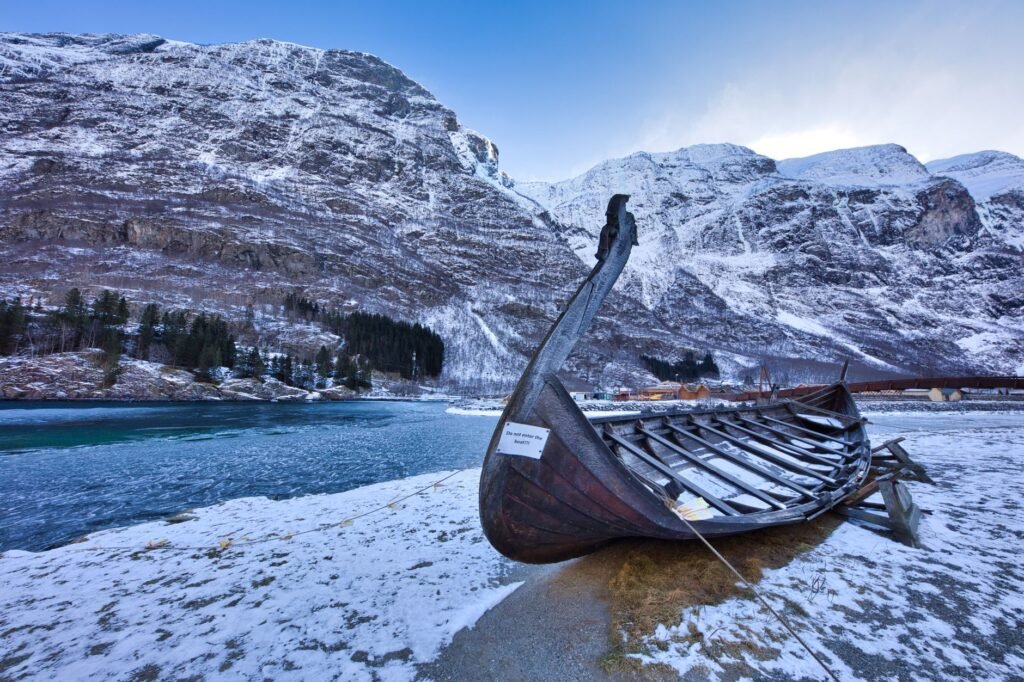
Imagine a world where longships cut through icy waters, where sagas were told by firelight, and where an entire civilization left an indelible mark on history. Scandinavia, the ancient homeland of the Vikings, offers an unparalleled journey back in time. Far from the one-dimensional stereotype of marauding raiders, the Vikings were sophisticated explorers, skilled artisans, innovative traders, and farmers who shaped the destiny of nations. This article invites you on an immersive adventure to explore the rich tapestry of Viking history across Norway, Sweden, and Denmark, revealing their enduring legacy and the captivating stories that lie beneath the surface.
Prepare to walk in the footsteps of legendary figures, uncover ancient burial grounds, marvel at preserved longships, and experience a culture that continues to fascinate centuries later. From dramatic fjords to bustling modern cities, Scandinavia is dotted with archaeological sites, world-class museums, and living history centers that bring the Viking Age vividly to life. Get ready to discover the true heart of the Norsemen and their profound impact on the world.
The Viking Legacy: More Than Just Raiders
While often remembered for their fierce warriors and daring raids, the Vikings were a complex and multifaceted people. They were master shipbuilders, whose innovative longships allowed them to navigate vast oceans, reaching North America centuries before Columbus. They established extensive trade networks, exchanging goods from the Arctic to the Middle East. Their artistry is evident in intricate jewelry, weapons, and runic carvings. They were also farmers, poets, and lawmakers, developing sophisticated social structures and legal systems. Understanding this broader context is key to truly appreciating the Viking heritage that awaits you in Scandinavia.
Norway: Land of Fjords and Viking Ships
Norway, with its dramatic landscapes and deep fjords, was a central hub of Viking activity. Its rugged coastline provided natural harbors for their formidable ships, and its people were among the most adventurous seafarers.
Oslo’s Viking Ship Museum (Temporarily Closed for Renovation)
While currently undergoing extensive renovations to become the new Museum of the Viking Age (expected to open in 2026/2027), the original Viking Ship Museum in Oslo was home to the world’s best-preserved Viking ships: the Oseberg, Gokstad, and Tune ships. These incredible vessels, along with a wealth of grave goods, offered an intimate glimpse into Viking burial practices and shipbuilding prowess. Keep an eye on the progress of the new museum, which promises an even more spectacular experience.
Lofotr Viking Museum, Borg (Lofoten Islands)
Nestled in the breathtaking Lofoten Islands, the Lofotr Viking Museum is a living history experience built around the largest Viking longhouse ever discovered. Here, you can step inside a magnificent reconstruction of the chieftain’s longhouse, smell the smoke from the hearth, and imagine life as it was over a thousand years ago. Experience traditional crafts, participate in archery, row a Viking ship on the lake, and enjoy a Viking feast. It’s an incredibly immersive way to connect with the past.
Avaldsnes, Karmøy
Known as Norway’s First Royal Seat, Avaldsnes on the island of Karmøy was a strategic point for controlling shipping lanes along the coast. Today, you can explore the Nordvegen History Centre, which details the area’s importance from the Bronze Age through the Viking Age. Nearby, visit the reconstructed Viking Farm, offering insights into daily life, and the beautiful medieval Olav’s Church.
Sweden: Ancient Burial Grounds and Rune Stones
Sweden boasts a rich Viking heritage, particularly in its central and southern regions, where ancient burial mounds and countless rune stones tell tales of conquest, trade, and daily life.
Birka and Gamla Uppsala
These two sites are cornerstones of Sweden’s Viking history. Birka, located on Björkö island in Lake Mälaren, was a major Viking Age trading hub and is now a UNESCO World Heritage Site. Take a boat trip to explore the archaeological remains, visit the museum, and see the reconstructed Viking village. Gamla Uppsala (Old Uppsala) was a powerful religious and political center, famed for its massive burial mounds of Viking kings and a significant pre-Christian temple. The museum provides excellent context, and the mounds themselves are awe-inspiring.
Foteviken Viking Museum, Skåne
In southern Sweden, the Foteviken Viking Museum is another fantastic open-air museum. It’s a reconstructed Viking Age town, complete with houses, workshops, and a harbor. During the summer, it comes alive with reenactors demonstrating crafts, cooking, and daily life. You can even try your hand at various Viking activities.
Öland: Island of Rune Stones and Ancient Fortresses
The island of Öland is a treasure trove of ancient history, dotted with hundreds of rune stones and impressive ringforts (fornborgar) like Gråborg and Eketorp. Eketorp is particularly special as it has been fully reconstructed to show life during the Iron Age and Viking Age, offering guided tours and interactive experiences.
Denmark: The Heart of the Viking Kingdom
Denmark, with its fertile lands and strategic position, was a powerful center of the Viking world, home to some of the most significant archaeological discoveries.
Jelling Monuments, Jutland
A UNESCO World Heritage Site, Jelling is arguably the most important Viking site in Denmark. Here, you’ll find two massive runic stones, two royal burial mounds, and a church. The larger rune stone, erected by Harald Bluetooth, proudly declares his conversion of the Danes to Christianity and his unification of Denmark and Norway. The Jelling Experience Centre provides excellent interactive exhibits that bring the history to life.
Ribe Viking Centre, Jutland
Step back in time at the Ribe Viking Centre, a sprawling open-air museum near Denmark’s oldest town, Ribe. This center meticulously reconstructs various aspects of Viking life, from a marketplace with craftsmen to a farmstead and a warrior training ground. During peak season, reenactors populate the village,
🗓️ Updated Travel Tips & Information (2026)
Embrace Digital Tools for Deeper Dives
Many Viking museums and archaeological sites now offer immersive digital guides or augmented reality (AR) experiences through dedicated apps. Download these before your visit to enhance your understanding of artifacts and historical contexts, often providing interactive maps and audio tours in multiple languages. Booking tickets online in advance via these apps can also save time and sometimes offer a slight discount for popular attractions in 2026.
Budgeting for a 2026 Scandinavian Adventure
Scandinavia remains a high-cost destination, with an estimated daily budget for mid-range travelers (including accommodation, food, and attractions) ranging from €15
Last updated: August 10, 2026