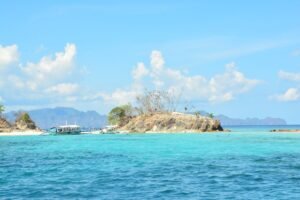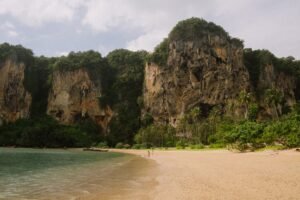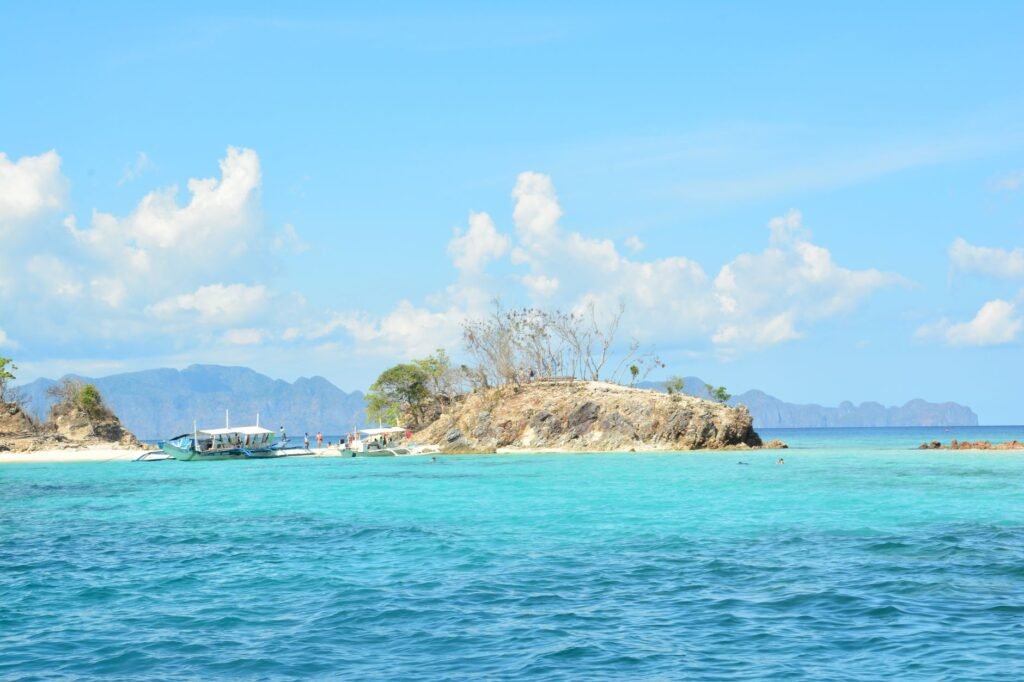
Imagine a symphony of emerald islands rising from turquoise waters, each a unique note in a breathtaking melody. Picture yourself basking on powdery white sands, swimming in lagoons so clear they reflect the sky, and discovering vibrant marine life beneath the waves. This isn’t just a dream; it’s the everyday reality of island hopping in the Philippines, an archipelago of over 7,000 islands that promises an adventure unlike any other. If you’re yearning for a tropical escape filled with unparalleled natural beauty, warm hospitality, and endless discovery, then packing your bags for the Philippines is your next best move.
Why Island Hopping in the Philippines?
The Philippines is a traveler’s paradise, renowned for its stunning biodiversity both above and below the water. Island hopping here isn’t just about moving from one landmass to another; it’s about immersing yourself in diverse cultures, savoring fresh seafood, and witnessing some of the most spectacular landscapes on Earth. From dramatic limestone karsts to pristine coral gardens, bustling markets to serene hidden coves, every island offers a new perspective and an unforgettable memory. It’s an opportunity to create your own adventure, whether you’re seeking adrenaline-pumping activities, serene relaxation, or a deep dive into local life.
Top Destinations for Island Hopping
Palawan: The Crown Jewel
Often hailed as the “Last Frontier,” Palawan consistently tops lists of the world’s most beautiful islands, and for good reason. Its dramatic landscapes are defined by towering limestone cliffs, secret lagoons, and an underwater world teeming with life.
- El Nido: Famous for its Bacuit Archipelago, El Nido offers a plethora of island hopping tours (A, B, C, D) that take you to iconic spots like Big Lagoon, Small Lagoon, Secret Beach, and Nacpan Beach. Prepare to be awestruck by the sheer scale of its natural beauty.
- Coron: A diver’s dream, Coron is home to World War II wreck dives and incredibly clear freshwater lakes like Kayangan Lake and Barracuda Lake. Its Siete Pecados Marine Park is perfect for snorkeling, while the Twin Lagoons offer a unique swimming experience.
- Port Barton: A more laid-back alternative to El Nido, Port Barton offers a tranquil escape with beautiful beaches and simpler island hopping tours to nearby islands and waterfalls.
Visayas: A Tapestry of Islands
The central Visayas region is a hub of diverse experiences, connecting major cities with idyllic islands.
- Cebu: A popular gateway, Cebu itself offers fantastic island hopping opportunities. Head north to Bantayan Island for serene beaches, or to Malapascua Island to swim with thresher sharks. South of Cebu, Moalboal is famous for its sardine run and Kawasan Falls canyoneering.
- Bohol: Just a short ferry ride from Cebu, Bohol is known for the unique Chocolate Hills and the tiny tarsiers. Its Panglao Island boasts stunning white-sand beaches like Alona Beach, perfect for diving, snorkeling, and dolphin watching tours.
- Boracay: After its rehabilitation, Boracay has reclaimed its status as a world-class destination. Its White Beach is legendary for its powdery sand and spectacular sunsets. While not a traditional “hopping” destination in the same vein as Palawan, boat tours around the island offer snorkeling and cliff jumping.
Lesser-Known Gems (for the Adventurous)
For those looking to venture off the beaten path, the Philippines holds many hidden treasures.
- Siargao: The “Surfing Capital of the Philippines” offers more than just waves. Explore Sugba Lagoon, Sohoton Cove, and the enchanting Magpupungko Rock Pools. Its laid-back vibe and lush landscapes are incredibly appealing.
- Romblon: Known for its marble industry and pristine, undeveloped islands like Tablas and Carabao, Romblon offers a glimpse into authentic island life away from the crowds.
- Bicol Region: Home to the majestic Mayon Volcano, Bicol also boasts stunning islands like Caramoan (where Survivor was filmed) with its dramatic limestone formations and secluded beaches.
Planning Your Philippine Island Hopping Adventure
Best Time to Visit
The Philippines generally experiences two main seasons:
- Dry Season (November to May): This is the ideal time to visit, with sunny days and calm waters perfect for island hopping and water activities. March to May can be quite hot.
- Wet Season (June to October): While characterized by more rainfall and potential typhoons, travel is still possible, especially in less typhoon-prone areas. Prices might be lower, and the landscapes are lush green.
Tip: Aim for the shoulder months like November, early December, or late May for good weather and fewer crowds.
Getting Around
Navigating the Philippines is part of the adventure:
- Flights: Domestic airlines like Cebu Pacific, AirAsia, and Philippine Airlines offer extensive networks connecting major islands. Book in advance for better deals.
- Ferries: For shorter distances between islands, local “
🗓️ Updated Travel Tips & Information (2026)
Embrace Digital Payments and Connectivity
The Philippines is rapidly moving towards a cashless society, especially in popular tourist hubs. Ensure you have reliable e-wallets (like GCash or PayMaya) set up and topped up, as many tour operators, local vendors, and even some tricycle drivers now prefer or only accept digital payments. Consider purchasing a local eSIM upon arrival for consistent data access, crucial for navigation, booking, and communication, as Wi-Fi can be spotty outside major hotels.
Book Domestic Flights and Tours Well in Advance (2026 Projections)
Post-pandemic travel demand continues to surge, particularly for peak seasons (December-May). For 2026, expect domestic flights, especially to popular islands like Palawan (El Nido, Coron) and Boracay, to sell out quickly and prices to be 15-25% higher than pre-2020 levels. Similarly, popular island-hopping tours (e.g., Nacpan Beach tours, Coron ultimate tours) should be booked online days or weeks ahead to secure your spot and potentially avoid last-minute price hikes.
Prioritize Sustainable and Ethical Tourism Choices
With increased awareness of environmental impact, travelers are encouraged to choose eco-certified tour operators and accommodations. Look for operators promoting responsible waste management, coral reef protection, and supporting local communities directly. Always use reef-safe sunscreen, avoid single-use plastics, and respect local customs and marine life to help preserve the Philippines’ natural beauty for future generations.
Factor in Dynamic Pricing for Local Transport
While tricycles and jeepneys remain common, ride-hailing apps like Grab are increasingly prevalent in urban centers and some tourist areas. For 2026, be aware that local transport costs, especially for private transfers or boat charters, can fluctuate significantly based on demand, fuel prices, and negotiation skills. Budget an average of PHP 150-300 for short tricycle rides in tourist zones, and be prepared to negotiate politely for longer distances or private hires.
Stay Informed on Local Health Advisories and Entry Requirements
Travel regulations can evolve. Before and during your trip, regularly check the official websites of the Philippine Department of Tourism and your embassy for the latest health advisories, vaccination requirements, and any specific entry protocols (e.g., e-travel declarations). While 2026 is projected to be largely open, staying informed ensures a smooth and compliant travel experience.
Last updated: September 10, 2026