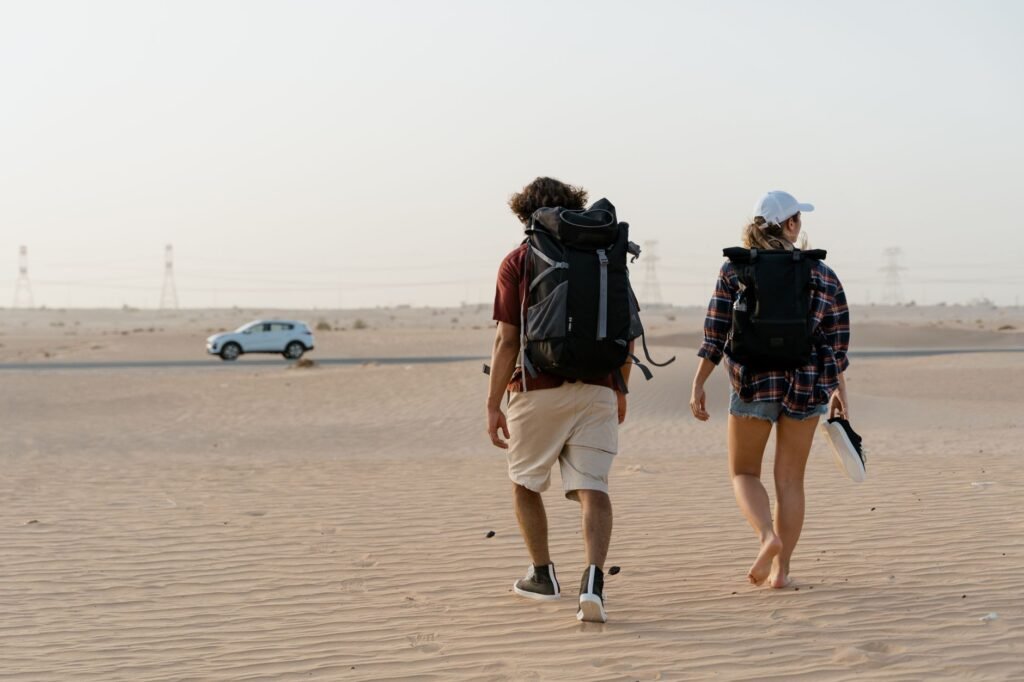
Why Trek the Himalayas? An Unforgettable Journey
The very name “Himalayas” conjures images of colossal peaks, ancient monasteries, and a profound sense of adventure. More than just a mountain range, the Himalayas are a spiritual realm, a geographical wonder, and a challenge that beckons the intrepid traveler. For those seeking an escape from the ordinary, a deep connection with nature, and a profound journey of self-discovery, trekking the Himalayas offers an unparalleled experience. It’s a chance to walk among giants, breathe the purest air, and witness cultures that have thrived in harmony with these majestic mountains for centuries. If you’re ready to trade the mundane for the magnificent, a Himalayan adventure awaits.
Unparalleled Scenery That Takes Your Breath Away
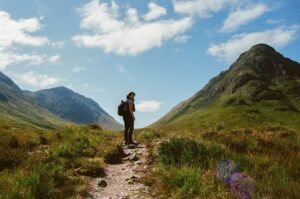
Imagine standing before K2, Annapurna, or the iconic Mount Everest, their snow-capped summits piercing the azure sky. The beauty of the Himalayas is not just in its highest peaks, but in the dramatic tapestry of landscapes it weaves. From lush rhododendron forests and terraced fields in the lower valleys to arid, high-altitude deserts reminiscent of the moon, and finally to the stark, glacial beauty of the alpine zone – every turn of the trail reveals a new, awe-inspiring vista. Crystal-clear rivers carve through ancient gorges, prayer flags flutter in the wind against a backdrop of towering rock faces, and pristine lakes reflect the grandeur above. This is nature’s masterpiece, a visual symphony that stays with you long after your trek concludes.
Cultural Immersion and Spiritual Awakening
Beyond the physical challenge and breathtaking views, a Himalayan trek offers a unique opportunity for cultural immersion. As you journey through remote villages, you’ll encounter diverse ethnic groups – Sherpas, Gurungs, Ladakhis, and others – whose lives are deeply interwoven with the mountains. You’ll witness ancient traditions, visit vibrant monasteries adorned with intricate thangka paintings, and perhaps even share a cup of yak butter tea with a local family. The warmth and resilience of the Himalayan people, their unwavering faith, and their simple yet profound way of life, will undoubtedly leave an indelible mark on your soul. Many find a sense of spiritual awakening amidst the quiet majesty and ancient wisdom of these mountains.
A Test of Spirit and a Journey of Self-Discovery
Trekking the Himalayas is not merely a physical endeavor; it’s a mental and spiritual odyssey. The long days on the trail, the variable weather, and the challenges of high altitude push you to your limits, revealing strengths you never knew you possessed. Every step is a testament to your determination, and every summit reached is a triumph of will. This journey strips away the unnecessary, bringing you closer to your true self. It fosters resilience, patience, and a deep appreciation for the simple things in life. Returning from a Himalayan trek, you’ll not only carry incredible memories but also a renewed sense of purpose and confidence.
Popular Himalayan Trekking Regions for Your Adventure
The vastness of the Himalayas means there’s a trek for every level of experience and interest. Here are some of the most iconic regions:
Nepal: Everest Base Camp & Annapurna Circuit
- Everest Base Camp (EBC) Trek: Arguably the most famous trek in the world, the EBC trek takes you to the foot of the world’s highest peak. Starting from Lukla, you’ll journey through Sherpa villages like Namche Bazaar, experiencing stunning views of Ama Dablam, Lhotse, and of course, Everest itself. It’s a challenging but incredibly rewarding high-altitude trek.
- Annapurna Circuit Trek: This classic trek offers an incredible diversity of landscapes, from subtropical forests to alpine deserts, crossing the Thorong La Pass (5,416m). You’ll witness various ethnic groups, hot springs, and panoramic views of the Annapurna and Dhaulagiri ranges. It can be done in segments, making it adaptable for different timeframes.
- Langtang Valley Trek: A shorter, more accessible trek north of Kathmandu, known for its beautiful valley, Tamang culture, and views of Langtang Lirung. It’s a great option for those with less time or looking for a slightly less strenuous adventure.
India: Ladakh & Uttarakhand
- Ladakh (Indian Himalayas): Known as “Little Tibet,” Ladakh offers a unique blend of high-altitude desert landscapes, ancient Buddhist monasteries, and vibrant culture. Popular treks include the Markha Valley trek, Stok Kangri ascent (a challenging peak), and numerous monastic circuits. It’s ideal for summer trekking when other regions are impacted by monsoon.
- Uttarakhand (Garhwal Himalayas): Home to sacred Hindu pilgrimage sites like Kedarnath and Badrinath, Uttarakhand also boasts stunning treks. The Valley of Flowers trek (a UNESCO World Heritage site) is famous for its vibrant alpine meadows, while the Roopkund Lake trek offers a mysterious journey to a glacial lake filled with human skeletons.
Bhutan: The Land of the Thunder Dragon
Bhutan offers a more exclusive and culturally immersive trekking experience, often requiring a guided tour. The Druk Path Trek is a popular option, connecting Paro and Thimphu with stunning views and ancient dzongs (fortresses). For the truly adventurous, the Snowman Trek is considered one of the most challenging treks in the world, crossing multiple high passes in remote wilderness.
Planning Your Himalayan Adventure: Practical Tips
Best Time to Visit for Trekking
Choosing the right time is crucial for a successful and enjoyable Himalayan trek.
- Spring (March-May): Rhododendrons bloom, offering vibrant colors. Temperatures are moderate, and skies are generally clear before the monsoon. It’s excellent for lower to mid-altitude treks.
- Autumn (September-November): Widely considered the best time. Post-monsoon, the skies are crystal clear, offering spectacular mountain views. Temperatures are stable, and the air is crisp. This is peak season for good reason.
- Winter (December-February): Very cold at high altitudes, with heavy snowfall closing many passes. Suitable for lower-altitude treks, snowshoeing, or specific winter expeditions.
- Monsoon (June-August): Heavy rains, cloud cover, and leeches are common. Trails can be slippery. However, certain rain-shadow regions like Ladakh and Upper Mustang in Nepal remain excellent for trekking during this period.
Essential Gear Checklist for High-Altitude Trekking
Packing smart is key. Your
🗓️ Updated Travel Tips & Information (2026)
Embrace Sustainable Trekking Practices
As global awareness grows, responsible tourism is paramount in the Himalayas. Choose operators committed to ethical porter welfare, fair wages, and strict “leave no trace” principles. Support local economies by buying goods directly from villages and minimizing plastic waste throughout your journey.
Leverage Smart Tech for Safety and Navigation
For 2026, integrate essential tech for a safer trek. Download offline mapping apps like Gaia GPS or Maps.me before losing signal, and consider a satellite communicator (e.g., Garmin inReach) for emergency two-way messaging and GPS tracking in remote areas where cellular service is non-existent.
Budgeting for Your 2026 Himalayan Adventure
Expect costs to vary based on trek duration, comfort level, and region. A 10-14 day guided trek (including permits, guide/porter, food, and basic accommodation) could range from $1,800 USD for a budget experience to $4,500+ USD for a more comfortable, all-inclusive package, excluding international flights.
Understanding Evolving Permit and TIMS Requirements
Regulations are frequently updated, so verify the latest permit requirements for your specific trekking region well in advance. Many areas now mandate trekkers to be accompanied by a registered local guide and possess a TIMS (Trekkers’ Information Management System) card, often obtainable online or through registered agencies.
Prioritize Advanced Acclimatization and Health Monitoring
Beyond simply ascending slowly, consider proactive health measures. Consult your doctor about prophylactic medication like Diamox, and carry a portable pulse oximeter to monitor blood oxygen levels, especially above 3,500 meters, allowing for early detection of potential altitude sickness symptoms.
Last updated: September 12, 2026