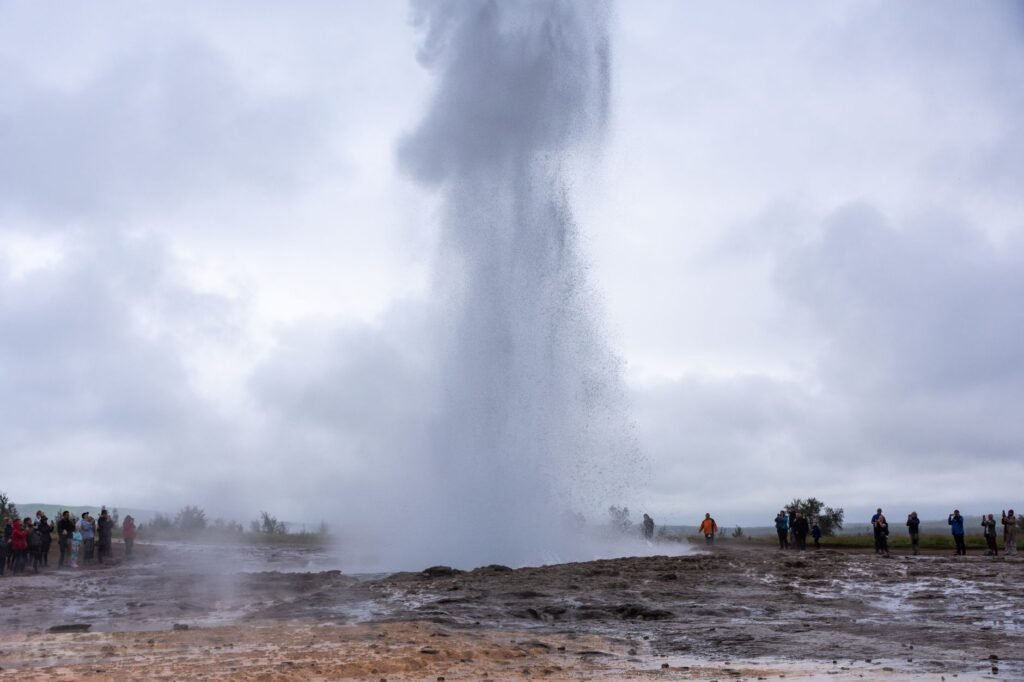
Dive into the World’s Most Enchanting Hot Springs
Imagine a place where the earth itself breathes warmth, where mineral-rich waters bubble to the surface, inviting you to shed your worries and soak in pure bliss. Hot springs, nature’s own thermal spas, have captivated humanity for millennia, offering not just physical relaxation but also profound cultural and spiritual experiences. From steamy volcanic landscapes to ancient Roman baths, these geological wonders promise a rejuvenating escape unlike any other. If you’re seeking the ultimate in natural wellness and breathtaking scenery, prepare to embark on a journey to discover the best hot springs around the globe.
Whether you dream of therapeutic soaks under the Northern Lights, historical dips in grand bathhouses, or adventurous plunges in remote wilderness, there’s a hot spring calling your name. Let’s explore some of the planet’s most iconic and unforgettable thermal havens.
Global Gems: Our Top Hot Spring Picks
1. Blue Lagoon, Iceland: The Geothermal Wonderland
Nestled amidst a stark, otherworldly lava field on the Reykjanes Peninsula, the Blue Lagoon is Iceland’s most famous geothermal spa. Its milky-blue, mineral-rich waters (a blend of silica, algae, and minerals) are renowned for their healing properties, particularly for skin conditions. The contrast of the warm, inviting water against the cool Icelandic air and the dark volcanic rock creates an unforgettable, almost surreal experience.
- Practical Tips: Book your entry well in advance, especially during peak season. Don’t forget to condition your hair before entering the water, as the silica can make it stiff. Enjoy the in-water bar and try a silica mud mask!
- Best Time to Visit: For a magical experience, visit in the late afternoon to witness the sunset, or in winter for a chance to see the Northern Lights while soaking.
- Local Insights: While luxurious, the Blue Lagoon is a man-made lagoon filled with water from a nearby geothermal power plant. For a more natural, wild hot spring experience, explore other less-known spots around Iceland, but the Blue Lagoon remains a must-visit for its unique ambiance and facilities.
2. Pamukkale, Turkey: The Cotton Castle
Pamukkale, meaning “cotton castle” in Turkish, is a truly spectacular natural wonder. For thousands of years, thermal spring water rich in calcium carbonate has cascaded down a mountainside, forming brilliant white travertine terraces and pools. The result is a dazzling landscape that looks like it’s sculpted from snow, where visitors can wade in warm, shallow pools with breathtaking views.
- Practical Tips: You’ll need to remove your shoes to walk on the travertine terraces to protect them. Wear swimwear and be prepared for crowds, especially in summer. Combine your visit with the ancient Roman city of Hierapolis, located directly above the terraces.
- Best Time to Visit: Spring (April-May) and Autumn (September-October) offer pleasant temperatures and fewer crowds than the scorching summer months.
- Local Insights: The “Antique Pool” (also known as Cleopatra’s Pool) offers a unique chance to swim among submerged Roman columns, adding a historical twist to your thermal dip.
3. Beppu Onsen, Japan: The Steaming City
Japan is synonymous with onsen (hot springs), and Beppu on the island of Kyushu is arguably its onsen capital. This city boasts more hot spring sources and greater water volume than any other in Japan, earning it the nickname “Hells of Beppu” for its dramatic, vibrant, and often too-hot-to-bathe-in springs. However, countless public and private onsen are available for therapeutic soaking.
- Practical Tips: Learn basic onsen etiquette: shower thoroughly before entering, no swimwear (unless it’s a mixed-gender outdoor rotemburo that allows it), and respect silence. Try different types of baths – sand baths, mud baths, and steam baths are all available.
- Best Time to Visit: Autumn (October-November
🗓️ Updated Travel Tips & Information (2026)
Book Ahead & Navigate Dynamic Pricing for 2026
Due to increased popularity and evolving tourism models, many top hot springs now implement dynamic pricing and require advance reservations. For 2026, expect peak times (weekends, holidays, evenings) to be significantly more expensive and sell out quickly. Secure your spot well in advance and consider visiting during off-peak hours for better availability and potentially lower costs.
Prioritize Hydration and Mindful Soaking
While relaxing, the warm mineral waters can be dehydrating. Always bring a reusable water bottle and sip frequently throughout your visit to prevent lightheadedness or fatigue. Limit your soak time to 15-20 minute intervals, taking breaks to cool down, especially in natural, unregulated springs.
Embrace Sustainable & Local Hot Spring Experiences
As eco-conscious travel grows, seek out hot springs that prioritize sustainability and community engagement. Research facilities that use renewable energy, minimize waste, or contribute to local conservation efforts. Consider visiting lesser-known local thermal baths to support smaller communities and enjoy a more authentic, less crowded experience.
Budgeting Beyond the Entrance Fee: 2026 Cost Estimates
While general admission to a developed hot spring resort might range from $30-$100+ USD per person (with luxury options significantly higher), factor in additional costs. This includes transportation, towel/locker rentals (often $5-$15 USD), food and beverages, and potential spa treatments. For wild or undeveloped springs, costs are usually minimal, often just parking or a small conservation fee.
Pack Smart: Essential Gear for a Seamless Soak
Beyond your swimsuit, pack quick-drying towels, water shoes (essential for rocky or slippery surfaces), and a waterproof bag for electronics. Many hot springs don’t provide free towels or lockers, so bringing your own can save money and enhance comfort. A refillable water bottle is also crucial for staying hydrated during your soak.
Last updated: September 15, 2026