Imagine a land where colossal monuments whisper tales of pharaohs, gods, and an empire that shaped civilization. A journey through ancient Egypt is more than just a vacation; it’s a step back in time, an immersive experience that ignites the imagination and touches the soul. From the bustling metropolis of Cairo, home to the last remaining Ancient Wonder of the World, to the majestic open-air museum of Luxor, this iconic route promises an adventure unlike any other. Prepare to uncover mysteries, marvel at engineering feats, and sail the legendary Nile as we guide you through an unforgettable exploration of Egypt’s timeless treasures.
Cairo: Where Ancient History Meets Modern Life
Your Egyptian odyssey typically begins in Cairo, a city of vibrant contrasts where millennia-old wonders stand proudly amidst a buzzing modern landscape. It’s a sensory overload in the best possible way, a perfect introduction to the country’s rich tapestry.
The Giza Necropolis: Pyramids and Sphinx
No visit to Cairo is complete without standing in awe before the Great Pyramids of Giza. These monumental tombs, built for Pharaohs Khufu, Khafre, and Menkaure, have captivated humanity for millennia. Witnessing their sheer scale and precision firsthand is a truly humbling experience. Don’t miss the enigmatic Great Sphinx, guardian of the necropolis, whose lion’s body and human head have puzzled historians for centuries. Opt for an early morning visit to beat the crowds and the heat, and consider a camel ride for that quintessential desert photo opportunity.
Unearthing Treasures at the Egyptian Museum
Delve deeper into the pharaohs’ world at the Egyptian Museum (soon to be largely replaced by the Grand Egyptian Museum, or GEM, near Giza, which will house an even more expansive collection). Here, you’ll encounter an unparalleled array of artifacts, including the golden funerary mask of Tutankhamun, the dazzling treasures from his tomb, and the Royal Mummies Hall, where you can come face-to-face with some of Egypt’s most powerful rulers. Allow several hours to truly appreciate the vastness and significance of these historical relics.
A Stroll Through Khan el-Khalili Bazaar
For a taste of local life and a chance to haggle for souvenirs, head to the historic Khan el-Khalili bazaar. This labyrinthine market has been a center of trade since the 14th century. Lose yourself amidst stalls overflowing with spices, perfumes, jewelry, textiles, and intricate handicrafts. Practice your bargaining skills, enjoy a cup of mint tea or strong Egyptian coffee at El Fishawy café (a Cairo institution), and soak in the vibrant atmosphere. It’s a perfect place to find unique mementos of your ancient Egypt journey.
The Journey South: Cairo to Luxor
Once you’ve absorbed the wonders of Cairo, it’s time to venture south towards Luxor, the ancient city of Thebes. This leg of your journey offers a transition from the capital’s hustle to the serene beauty of the Nile River and the unparalleled concentration of ancient sites.
Travel Options: Flight, Train, or Nile Cruise
The most efficient way to travel from Cairo to Luxor is by domestic flight, which takes approximately one hour. This saves valuable time, allowing you more days to explore Luxor’s extensive offerings. Alternatively, an overnight sleeper train offers a more traditional experience, though it’s less luxurious and can be subject to delays. Many travelers choose to combine a flight to Luxor with a multi-day Nile River cruise, which typically sails between Luxor and Aswan, offering a unique perspective of the landscape and stopping at temples along the way. While not direct transport from Cairo to Luxor, a cruise is often the highlight of an Egyptian itinerary.
Luxor: The World’s Greatest Open-Air Museum
Luxor, once the magnificent capital of the New Kingdom, stands as an unparalleled testament to ancient Egyptian grandeur. Divided by the Nile into the East Bank (city of the living) and the West Bank (city of the dead), it’s a treasure trove of temples, tombs, and colossal statues.
East Bank Wonders: Luxor Temple and Karnak Complex
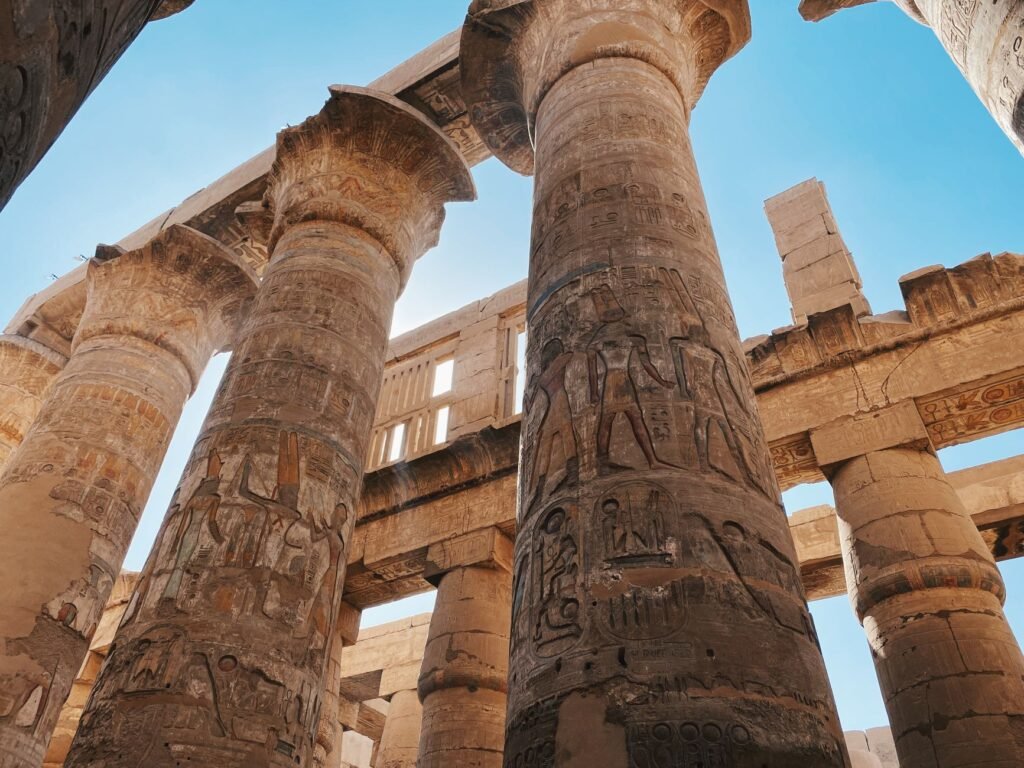
Start your exploration on the East Bank. Luxor Temple, dedicated to the Theban Triad of Amun, Mut, and Khonsu, is particularly enchanting at sunset or illuminated at night, when its towering colonnades and intricate carvings come alive. A short drive (or an ancient avenue of sphinxes, currently being restored) connects Luxor Temple to the colossal Karnak Complex. This sprawling religious site, built and expanded over 2,000 years, is a city within a city, featuring immense obelisks, sacred lakes, and the awe-inspiring Hypostyle Hall with its 134 towering columns. You could spend an entire day here and still not see everything.
West Bank Mysteries: Valley of the Kings and Hatshepsut’s Temple
Cross to the West Bank, the ancient necropolis, where pharaohs and nobles were laid to rest. The Valley of the Kings is perhaps the most famous burial ground, housing the tombs of rulers like Tutankhamun, Seti I, and Ramesses VI. Descend into these meticulously decorated tombs to witness vibrant hieroglyphs and intricate scenes depicting the journey to the afterlife. Nearby, the Mortuary Temple of Hatshepsut, a female pharaoh, stands strikingly against the desert cliffs, a masterpiece of ancient architecture. Don’t forget the colossal Memnon statues, guardians of a forgotten temple, that silently watch over the plains.
Cruising the Nile: An Unforgettable Perspective
A multi-day Nile cruise between Luxor and Aswan is an essential part of many Egyptian itineraries. It offers a relaxing way to see temples like Edfu and Kom Ombo, enjoy stunning river sunsets, and experience the timeless rhythm of life along the Nile. Most cruises include full board, guided excursions, and comfortable cabins, providing a luxurious base for your explorations.
Practical Tips for Your Egyptian Adventure
To ensure your trip is as smooth and enjoyable as possible, keep these practical tips in mind:
Best Time to Visit
The ideal time to visit Egypt is during the cooler months, from October to April. Temperatures are pleasant for sightseeing, especially in the southern regions like Luxor and Aswan. Avoid the summer months (June-August) when temperatures can be extremely high.
Getting Around
- Cairo: Taxis (use ride-hailing apps like Uber or Careem for fixed prices), the metro, or guided tours.
- Luxor: Taxis are readily available. Many hotels also arrange transportation for West Bank tours.
- Inter-city: Domestic flights are recommended for speed.
What to Pack
🗓️ Updated Travel Tips & Information (2026)
Stay Connected with eSIMs
For seamless connectivity and avoiding physical SIM card hassles, consider purchasing an eSIM compatible with Egypt before you arrive or upon landing. Major providers offer affordable data packages specifically for tourists in 2026, ensuring you have reliable access to GPS, translation apps
Last updated: August 22, 2026