Imagine a ribbon of asphalt stretching across the heartland of America, whispering tales of a bygone era. This isn’t just any road; it’s U.S. Route 66, the legendary “Mother Road,” a symbol of freedom, adventure, and the American dream. From the bustling streets of Chicago to the sun-kissed shores of Santa Monica, a Route 66 road trip is more than just a journey; it’s an immersive experience, a nostalgic dive into quirky Americana, stunning landscapes, and unforgettable encounters. If you’re yearning for an adventure that transcends mere travel, buckle up – because the open road is calling, and historic Route 66 is waiting to tell its story.
Why Drive Route 66?
Route 66, established in 1926, served as a primary path for migrants heading west, particularly during the Dust Bowl. It became a cultural icon, immortalized in songs, literature, and films, representing escape, opportunity, and the romance of the open road. Today, driving Route 66 is a pilgrimage for those seeking a tangible connection to American history, a chance to step back in time and experience the charm of roadside diners, classic motels, and quirky attractions that have largely disappeared from modern highways. It’s about slowing down, exploring forgotten towns, and discovering the soul of America one mile at a time.
Planning Your Route 66 Adventure
Embarking on a Route 66 road trip requires some preparation, but that’s part of the fun! Here’s what you need to consider to make your journey smooth and memorable.
Best Time to Go
The ideal times to drive Route 66 are spring (April-May) and fall (September-October). During these seasons, the weather is generally pleasant, avoiding the scorching summer heat of the Southwest and the harsh winter conditions of the Midwest. You’ll also encounter fewer crowds, making for a more relaxed experience at popular stops.
How Long Does it Take?
To truly savor the experience and explore the diverse attractions, allow at least 2-3 weeks for your Route 66 adventure. While it’s possible to rush it in 10-14 days, you’ll find yourself constantly on the move. Remember, this isn’t about speed; it’s about the journey itself.
Starting & Ending Points
The traditional route runs from Chicago, Illinois, to Santa Monica, California. Most travelers prefer to drive west, following the path of the original migrants and enjoying the progression from urban landscapes to wide-open spaces and eventually the Pacific Ocean. However, driving east offers its own unique perspective.
Vehicle Choice
While a classic car adds to the nostalgia, any reliable vehicle will do. Comfort is key, as you’ll be spending many hours on the road. Consider rental options if your own car isn’t suitable, and ensure it has good mileage for long stretches. If you dream of a convertible, now’s your chance!
Navigation & Maps
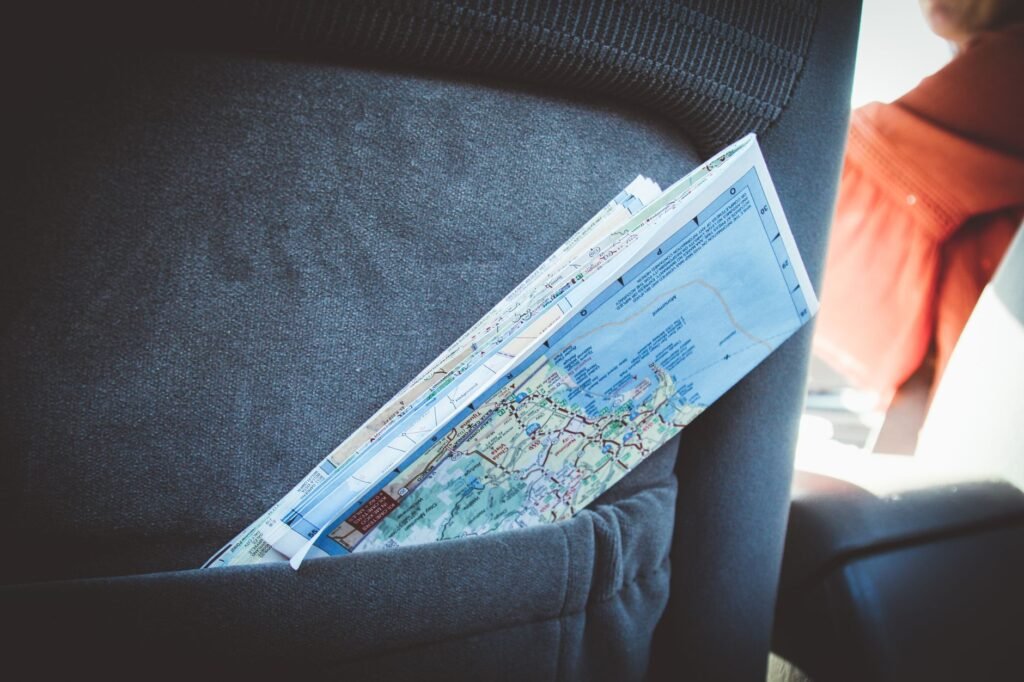
Modern GPS is useful, but don’t rely solely on it. Many sections of the original Route 66 run parallel to interstates or are less well-maintained. Invest in a good physical map (like the EZ66 Guide by Jerry McClanahan) and look for the “Historic Route 66” signs. Part of the adventure is getting a little lost and finding hidden gems.
Must-See Stops Along the Mother Road
Route 66 spans eight states, each offering its own unique flavor and iconic attractions. Here’s a taste of what awaits:
Illinois
- Chicago: Start your journey at the “Begin Historic Route 66” sign on Adams Street. Explore Navy Pier, Millennium Park, and enjoy deep-dish pizza.
- Gemini Giant (Wilmington): A towering “Muffler Man” holding a rocket, a classic roadside photo op.
- Cozy Dog Drive In (Springfield): Claiming to be the birthplace of the corn dog on a stick.
Missouri
- St. Louis Arch: A breathtaking monument to westward expansion.
- Meramec Caverns (Stanton): A vast cave system, once a hideout for Jesse James.
- Cuba (Mural City): Known for its impressive outdoor murals depicting local history.
Kansas
- Shortest Stretch (Galena): Though only