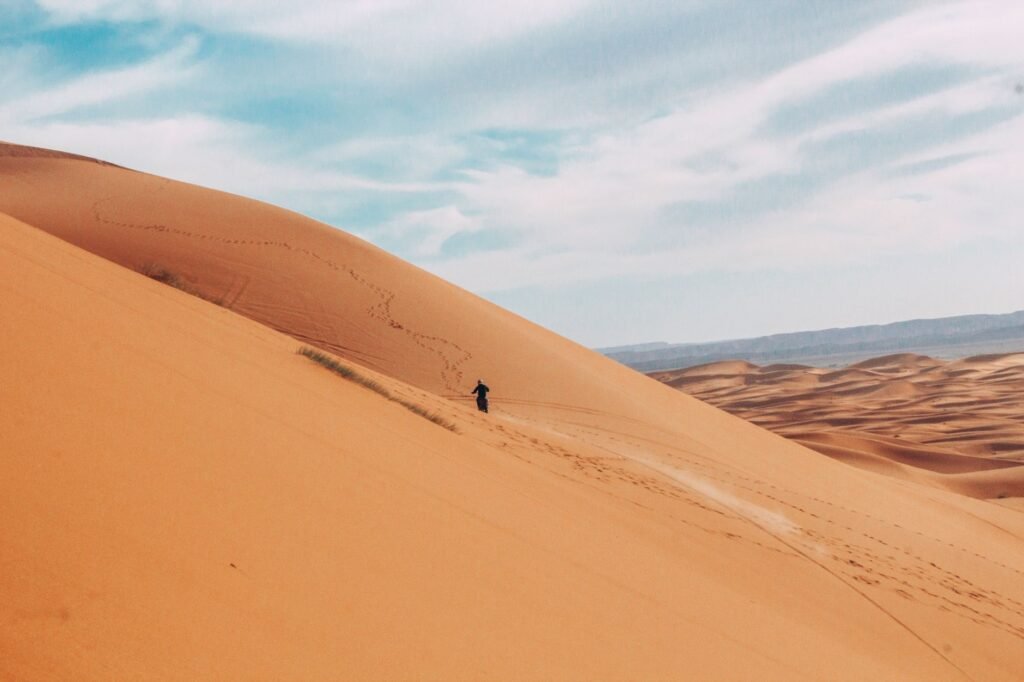
Imagine a canvas painted in a thousand shades of gold, stretching endlessly beneath an azure sky. Picture towering dunes sculpted by millennia of wind, whispering tales of ancient caravans and nomadic spirits. This is the Sahara Desert, not just the world’s largest hot desert, but a realm of profound beauty, captivating mystery, and unforgettable adventure. For the intrepid traveler seeking an escape from the ordinary, exploring the Sahara is more than a trip; it’s an immersion into a landscape that challenges perceptions and touches the soul. From the rhythmic sway of a camel trek to the dazzling spectacle of a starlit night, prepare to discover an experience that will forever redefine your understanding of wilderness and wonder.
Why Explore the Sahara Desert?
The Sahara offers a unique blend of natural grandeur, cultural richness, and thrilling adventure that few other destinations can match. It’s a place where time seems to slow down, allowing you to reconnect with nature and yourself.
- Unparalleled Natural Beauty: Beyond the vastness, the Sahara boasts diverse landscapes – from the iconic golden dunes of Erg Chebbi and Erg Chigaga to rocky plateaus, ancient riverbeds, and surprising oases teeming with life.
- A Glimpse into Ancient Cultures: Home to various nomadic and semi-nomadic Berber communities, the Sahara offers a rare opportunity to experience a way of life that has persisted for centuries, rich in hospitality, music, and tradition.
- Adventure for Every Spirit: Whether you dream of a peaceful camel trek into the sunset, exhilarating sandboarding down monumental dunes, or traversing rugged terrain in a 4×4, the desert caters to all levels of adventure.
- The Ultimate Stargazing Experience: Far from city lights, the Sahara’s night sky is a breathtaking spectacle, offering crystal-clear views of the Milky Way and countless constellations, an astronomer’s dream.
Planning Your Sahara Adventure
A successful Sahara journey requires thoughtful planning to ensure safety, comfort, and an enriching experience.
Best Time to Visit
Timing is crucial when planning a desert expedition. The Sahara experiences extreme temperatures, with scorching summers and surprisingly chilly winters.
- Autumn (October to November): Arguably the best time. Temperatures are pleasant during the day, and nights are cool but not freezing. The light is fantastic for photography.
- Spring (March to May): Similar to autumn, with comfortable daytime temperatures. However, beware of potential sandstorms, especially in late spring.
- Winter (December to February): Days are generally mild and sunny, making it comfortable for activities. However, nights can be very cold, dropping below freezing, so pack warm layers.
- Summer (June to September): Best avoided. Daytime temperatures soar well above 40°C (104°F), making activities challenging and potentially dangerous.
Choosing Your Entry Point
The Sahara spans multiple countries, each offering a distinct entry point and experience. Morocco is one of the most popular and accessible choices for tourists.
- Morocco: Often considered the gateway to the Sahara for many travelers. Popular starting points include Marrakech and Fes, leading to the stunning dunes of Erg Chebbi (near Merzouga) and Erg Chigaga (near M’hamid). Morocco offers well-established tour infrastructure.
- Tunisia: Offers access to the northern fringes of the Sahara, with famous Star Wars film sets (Matmata, Ong Jmel) and the beautiful oasis town of Tozeur.
- Egypt: The Western Desert of Egypt features unique geological formations like the White Desert and Black Desert, accessible from Cairo.
For first-time desert explorers, especially those seeking the iconic sand dunes and Berber culture, Morocco provides an excellent and well-supported experience.
Tour Operators vs. Independent Travel
While independent travel offers flexibility, exploring the Sahara, especially deep into the dunes, is best done with an experienced local tour operator.
- Safety: Guides are intimately familiar with the desert terrain, weather patterns, and navigation, crucial in an environment where getting lost can be dangerous.
- Logistics: Operators handle transportation (4x4s, camels), accommodation (desert camps), meals, and water supplies.
- Cultural Immersion: Local guides provide invaluable insights into Berber culture, traditions, and the desert ecosystem, enriching your experience beyond just sightseeing.
- Access: Many remote areas and stunning viewpoints are only accessible with expert guidance and appropriate vehicles.
What to Expect: A Glimpse into Desert Life
Your Sahara journey will be a sensory feast, a symphony of sights, sounds, and sensations unlike any other.
The Landscape: Dunes, Oases, and Starlit Nights
Prepare to be awestruck by the sheer scale and beauty of the desert. The towering, ever-shifting dunes are a photographer’s dream, especially during sunrise and sunset when the sand glows with fiery hues. Amidst this vastness, discover verdant oases – pockets of life sustained by underground water, often home to palm groves, traditional villages, and ancient kasbahs. As dusk falls, the desert transforms. The air cools, and the silence is profound, broken only by the crackling of a campfire. Then, the celestial show begins: a canopy of a million stars, brighter and clearer than you’ve ever witnessed, unfurls above you.
Activities and Experiences
- Camel Trekking: The quintessential Sahara experience. Sway gently atop a “ship of the desert” as you traverse the dunes, feeling like an ancient trader on a timeless journey.
- Sandboarding: For the adventurous, grab a board and glide down the massive dunes, a thrilling desert sport.
- 4×4 Desert Safaris: Explore vast stretches of the desert, discover hidden oases, and visit nomadic families in rugged off-road vehicles.
- Stargazing: Spend an evening marveling at the Milky Way from your desert camp, often accompanied by local stories and music.
- Sunrise/Sunset Views: Wake up early or stay out late to witness the sun paint the dunes with an incredible palette of colors – truly magical moments.
Cultural Immersion