Imagine a world of daring seafarers, intricate sagas, and powerful gods – a world where longships cut through icy fjords and fierce warriors forged an empire that stretched across continents. This is the legacy of the Vikings, and their echoes resonate powerfully across the stunning landscapes of Scandinavia. If you’ve ever dreamed of stepping back in time to explore the heartland of these legendary Norsemen, then a journey through Norway, Sweden, and Denmark is an adventure waiting to unfold. From ancient burial mounds to meticulously preserved ships, Scandinavia offers an unparalleled opportunity to connect with the raw, captivating history of the Viking Age.
Unearthing the Viking Legacy
The Viking Age, generally spanning from the late 8th to the mid-11th century, was a period of immense change, exploration, and cultural exchange. Far from being just brutal raiders, the Vikings were also skilled traders, masterful artisans, and intrepid explorers who left an indelible mark on Europe and beyond. Scandinavia, their homeland, is dotted with archaeological sites, museums, and reconstructed villages that bring their world vividly to life.
Norway: Land of Fjords and Longships
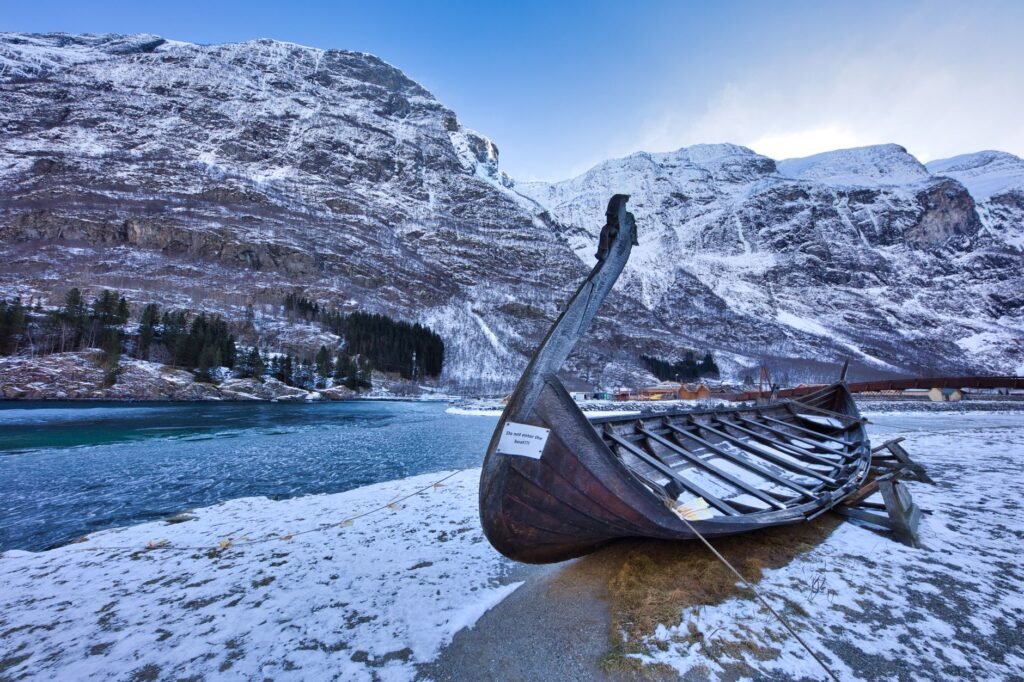
Norway, with its dramatic coastline and deep fjords, was the launching pad for many Viking expeditions. Its landscape feels inherently Viking, raw and majestic.
- Oslo: While the famous Viking Ship Museum in Oslo is currently closed for the construction of the new Museum of the Viking Age (set to open in 2026), Oslo still holds Viking treasures. The Cultural History Museum (part of the University of Oslo) houses some Viking artifacts, and the city itself has a rich history. Keep an eye out for updates on the new museum, which promises to be a world-class experience.
- Stavanger & Haugesund: This region is rich in early Viking history. Visit Haraldshaugen, Norway’s national monument commemorating the unification of Norway by Harald Fairhair around 872 AD. Nearby, on the island of Avaldsnes, the Viking Village at Avaldsnes is a fantastic living history museum, offering insights into daily life, crafts, and architecture.
- Lofoten Islands: Head north to Borg in the stunning Lofoten Islands to discover the Lofotr Viking Museum. This incredible site features a full-scale reconstruction of the largest Viking longhouse ever found, where you can immerse yourself in the chieftain’s hall, try your hand at archery, or even row a replica Viking ship.
- Borre National Park: Located in Vestfold, this is one of Norway’s most significant Viking burial sites, home to several large burial mounds. It’s an atmospheric place to wander and contemplate the past, with a visitor center that provides context.
Sweden: Ancient Burial Grounds and Rune Stones
Sweden boasts an impressive collection of rune stones and ancient settlements that tell tales of Viking kings, trade routes, and spiritual beliefs.
- Birka and Hovgården (UNESCO World Heritage Site): Located on islands in Lake Mälaren, just a short boat trip from Stockholm, Birka was one of the most important Viking trading centers in Scandinavia. Explore the archaeological remains, visit the museum, and imagine the bustling marketplace that once thrived here. Hovgården, on the neighboring island of Adelsö, was the royal estate that governed Birka.
- Gamla Uppsala: This ancient site near Uppsala was a powerful religious and political center during the Viking Age and earlier. Three massive burial mounds, believed to be the graves of legendary Yngling kings, dominate the landscape. The museum and the old church (built on the site of a pagan temple) offer fascinating insights.
- Stockholm: The Swedish History Museum in Stockholm houses an extensive Viking exhibition, showcasing artifacts, weapons, and jewelry. Don’t miss the gold room! While not strictly Viking, the Vasa Museum, home to a remarkably preserved 17th-century warship, offers a glimpse into Swedish maritime power centuries after the Viking Age, a testament to their enduring seafaring legacy.
- Gotland: This large island in the Baltic Sea was a crucial Viking trading hub. Its capital, Visby, with its medieval city walls, has deep roots that stretch back to the Viking era. Explore the numerous rune stones scattered across the island.
Denmark: Where Viking Kings Ruled
Denmark was at the heart of the Viking kingdom, and its historical sites offer a direct connection to some of the most famous Viking leaders.
- Roskilde: Home to the world-renowned Viking Ship Museum. Here, you can marvel at five original Viking ships, salvaged from Roskilde Fjord, that tell stories of warfare, trade, and exploration. The museum also features a working boatyard where traditional shipbuilding techniques are used, and you can even take a short sail in a replica longship during summer.
- Jelling (UNESCO World Heritage Site): This is arguably the most important Viking site in Denmark. The Jelling Stones, erected by King Gorm the Old and his son Harald Bluetooth, are considered Denmark’s birth certificate, marking the transition from paganism to Christianity. The modern Jelling Museum (Kongernes Jelling) offers an interactive and engaging experience that contextualizes these monumental stones and mounds.
- Ribe: Denmark’s oldest town, Ribe offers a captivating journey into its Viking past. The Ribe VikingeCenter